
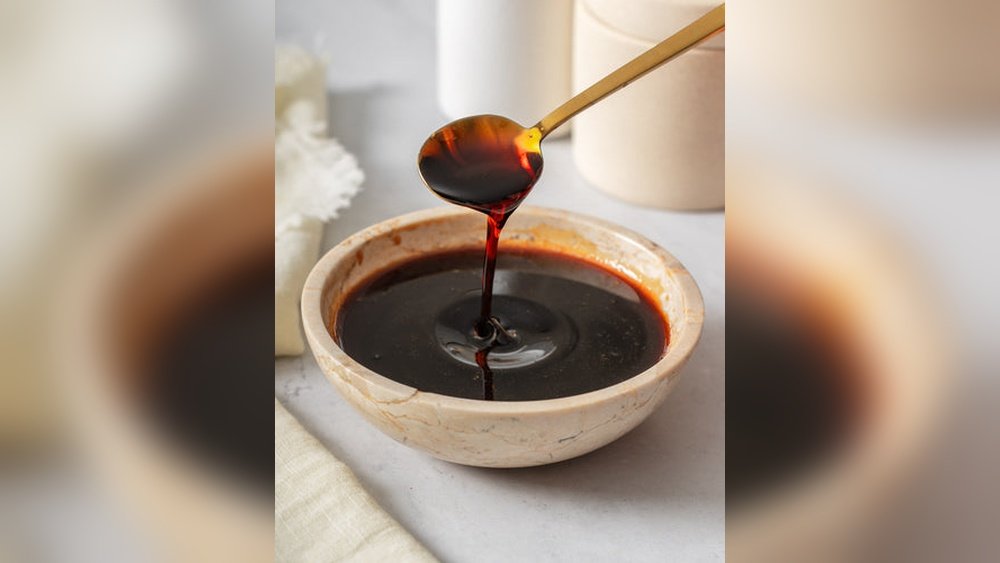
Staring at your homemade sushi, you might feel something’s missing. Maybe you’re tired after work or just want restaurant-style sushi without spending hours in the kitchen. The problem? The silky, sweet, and savory eel sauce you love feels impossible to make, with confusing recipes online and pricey store bottles. Good news: you don’t need to be a chef or buy anything fancy. With just a few common ingredients, you can whip up easy eel sauce recipes for sushi that taste amazing—and take minutes, not hours.
If you’re hungry, busy, or just want that extra-special sushi bite, these two core eel sauce recipes (plus three clever twists) are your ticket to flavor. Get ready for simple instructions, budget-friendly ingredients, and delicious results every time.
Why You’ll Love These Eel Sauce Recipes
You don’t need special skills, a long shopping list, or much time. Here’s why these recipes work for everyone:
- Fast: Both sauces take under 15 minutes to make.
- Simple: Only 3–5 basic ingredients—nothing you can’t find at a regular store.
- Affordable: No need for expensive Japanese imports.
- Flexible: Use on sushi, rice bowls, grilled meats, or veggies.
- Customizable: Adjust sweetness or saltiness as you like.
People often think making sushi sauce at home is tricky, but these recipes remove the guesswork. You’re not just saving money—you’re also controlling the taste. If you like your sauce sweeter, it’s easy to add a little more sugar. If you want it less salty, you can swap in low-sodium soy sauce.
Even if you’ve never cooked Japanese food, you’ll feel confident with these recipes.
What many don’t realize is that eel sauce is one of the easiest ways to add a gourmet touch to home-cooked meals. It’s not just for sushi. A drizzle can upgrade a simple bowl of rice, roasted vegetables, or grilled fish.
And because you’re making it fresh, there are no preservatives or mystery ingredients—just pure, honest flavor.
Another big advantage: these sauces are forgiving. Even if you simmer a bit too long or add a little too much sugar, the sauce is still delicious. Plus, you can make a batch and keep it in your fridge for quick dinners or snacks all week.
Let’s Dive In!
Classic Eel Sauce For Sushi (unagi No Tare)
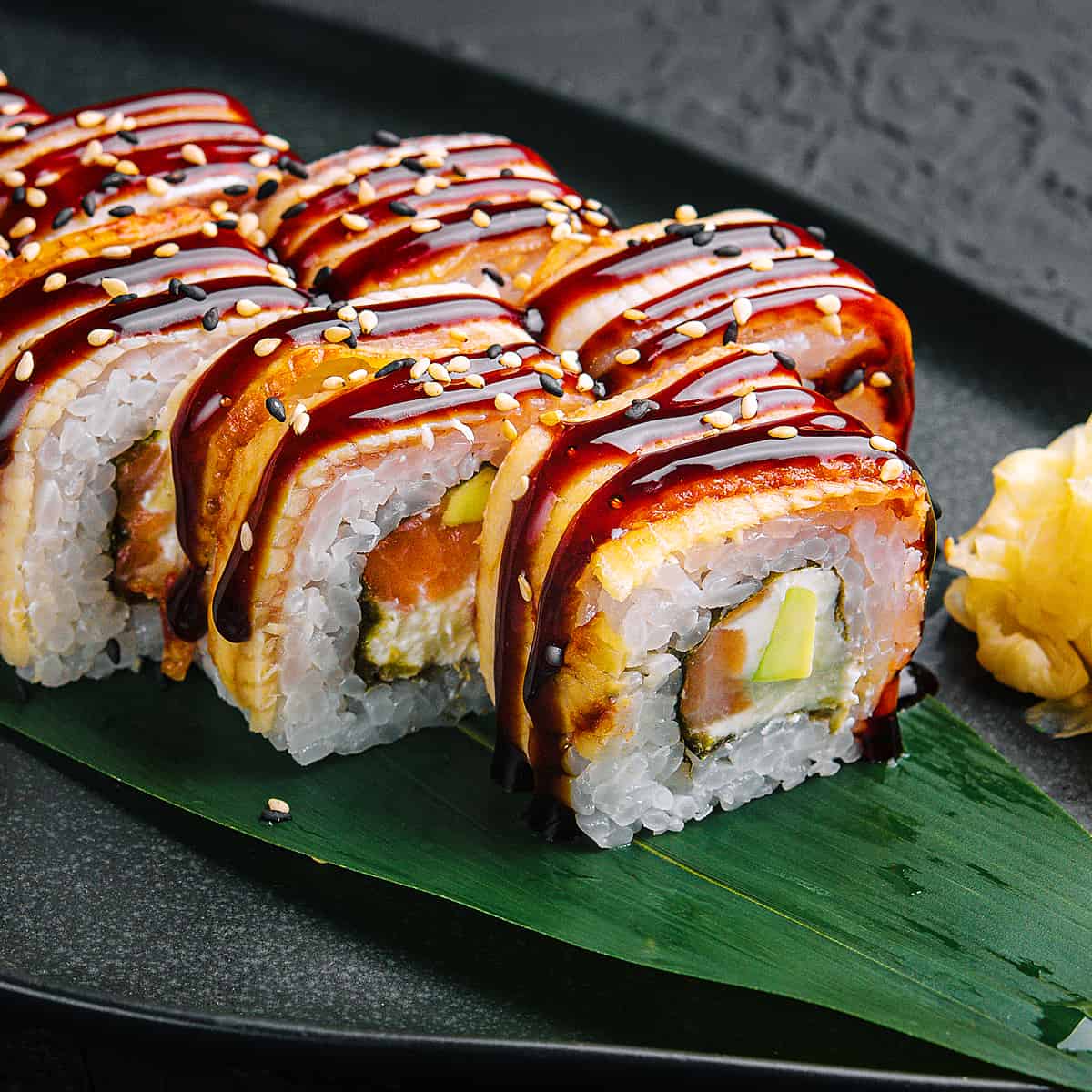
This is the traditional, glossy sauce you taste at most sushi bars. It’s sticky, sweet, and deeply savory. You don’t need eel in this sauce—the name comes from its use on grilled eel (unagi).
🍫 Ingredients:
- ½ cup soy sauce (regular or low-sodium)
- ½ cup mirin (Japanese sweet rice wine)
- ¼ cup white sugar
- 1 tablespoon sake (optional, but adds depth)
🥣 Steps:
- Pour soy sauce, mirin, sugar, and sake (if using) into a small saucepan.
- Stir to combine, then bring to a gentle boil over medium heat.
- Lower the heat and simmer, stirring often, for 8–10 minutes. The sauce should reduce by about a third and become shiny.
- Remove from heat. Let cool—the sauce will thicken as it stands.
Why you’ll love it: The taste is exactly what you get at your favorite sushi spot—sweet, salty, and addictive.
More Details & Tips
If you’ve ever watched a chef at a sushi bar, you’ll notice the glossy sauce that makes eel sushi (unagi nigiri) so appealing. This sauce is what brings everything together. The combination of soy sauce and mirin creates umami (the savory taste) and sweetness at the same time.
What is mirin?
Mirin is a sweet rice wine used in Japanese cooking. It adds not only sweetness but also a slight tang and depth that sugar alone can’t provide. If you don’t have mirin, you can use a mix of white wine and a little sugar, but the authentic flavor comes from real mirin.
How thick should the sauce be?
The sauce will look thin while hot but thickens as it cools. To test, dip a spoon into the sauce—if it lightly coats the back, it’s ready. Over-reducing can make it too salty, so keep an eye on it.
Serving ideas:
A little goes a long way! Drizzle just a teaspoon or two over sushi rolls, or brush on grilled fish or meats. It’s also delicious as a topping for steamed rice with a fried egg.
If you want a sauce with even more depth, try adding a small piece of dried kombu (seaweed) while simmering, then remove before serving. This adds extra umami without changing the basic recipe.

Credit: cookingwithcocktailrings.com
Speedy 3-ingredient Eel Sauce
Need sauce in a hurry or can’t find mirin? This shortcut version uses pantry basics but still delivers that eel sauce flavor you crave.
🍫 Ingredients:
- ⅓ cup soy sauce
- ⅓ cup brown sugar
- 3 tablespoons water
🥣 Steps:
- Combine soy sauce, brown sugar, and water in a small pan.
- Heat over medium, stirring to dissolve the sugar.
- Simmer for 4–5 minutes until slightly thickened.
- Cool and serve.
Why you’ll love it: It’s ready before your rice is even cooked—perfect for sushi emergencies.
More Details & Tips
This version is a lifesaver for busy nights or when you’re out of specialty ingredients. Brown sugar gives a gentle caramel note, making the sauce taste richer than plain white sugar would.
How to adjust:
If you like your sauce thicker, let it simmer an extra minute. If you want it thinner, add a little more water. The flavor is flexible—try adding a tiny dash of sesame oil for a nutty aroma.
Common mistake:
Don’t let the sauce boil hard or it can turn bitter and reduce too quickly. Keep it to a gentle simmer and stir often.
Practical example:
If you’re making a poke bowl or simple rice bowl, this sauce makes a quick drizzle that’s far better than plain soy sauce.
If you want to experiment, try mixing in a pinch of grated ginger for a gentle spice.
Sweet Teriyaki-style Eel Sauce
This variation is a cross between eel sauce and teriyaki—thicker, a bit sweeter, and perfect for those who love a glossy finish on rolls or grilled chicken.
🍫 Ingredients:
- ¼ cup soy sauce
- ¼ cup mirin (or use apple juice for a twist)
- 2 tablespoons honey or maple syrup
- 1 tablespoon sugar
- ½ teaspoon cornstarch (mixed with 1 tablespoon water)
🥣 Steps:
- Mix soy sauce, mirin, honey, and sugar in a small saucepan.
- Bring to a simmer and cook for 5 minutes.
- Stir in the cornstarch slurry and cook for 1–2 more minutes until thickened.
- Let cool.
Why you’ll love it: The thickness makes it ideal for drizzling over sushi or as a dipping sauce.
More Details & Tips
Why add honey or maple syrup?
Honey brings a gentle floral note and gives the sauce a smooth, glossy finish. Maple syrup adds a little smokiness, which can pair well with grilled vegetables or meats.
Cornstarch tip:
Cornstarch thickens the sauce quickly and makes it cling better to food. Always mix cornstarch with cold water before adding to hot liquids to avoid lumps.
Serving ideas:
This sauce is perfect for people who like their sushi extra saucy. It’s also great for glazing chicken wings, salmon fillets, or as a dip for tempura.
You can add a pinch of garlic powder or a few drops of toasted sesame oil to give this sauce a teriyaki twist.
Don’t add cornstarch directly to the pan—it will clump. Always make a slurry first.
Credit: www.daringgourmet.com
Spicy Eel Sauce For A Kick
Love heat? This spicy version adds a gentle burn that pairs perfectly with sushi, grilled meats, or roasted vegetables.
🍫 Ingredients:
- ¼ cup soy sauce
- ¼ cup mirin
- 2 tablespoons sugar
- ½ teaspoon sriracha or your favorite chili sauce
🥣 Steps:
- Combine all ingredients in a saucepan.
- Simmer gently for 7 minutes, stirring often.
- Remove from heat and let cool.
Why you’ll love it: It adds excitement to any sushi roll without overpowering the other flavors.
More Details & Tips
How spicy should you go?
If you’re unsure, start with a quarter teaspoon of sriracha and taste after simmering. The heat level can be adjusted easily before serving.
Other chili sauces:
Gochujang (Korean chili paste) or sambal oelek (Indonesian chili sauce) are also delicious here. Each will add a slightly different flavor profile—gochujang is sweet and fermented, sambal is fresh and tangy.
Serving ideas:
Try this sauce on spicy tuna rolls, grilled shrimp, or roasted sweet potato. It’s also tasty as a finishing drizzle on noodle bowls.
A squeeze of fresh lime juice at the end can brighten the flavors and balance the heat.
Don’t add too much chili sauce at first—heat intensifies as the sauce reduces.
Vegan Eel Sauce (no Alcohol, No Animal Products)
Traditional eel sauce is already fish-free, but mirin and sake are sometimes filtered with animal products. This version is 100% vegan and alcohol-free.
🍫 Ingredients:
- ½ cup soy sauce
- ¼ cup coconut sugar or regular sugar
- 3 tablespoons rice vinegar
- 2 tablespoons water
🥣 Steps:
- Place all ingredients in a saucepan over medium heat.
- Stir until sugar dissolves and simmer for 6–7 minutes.
- Let cool to thicken.
Why you’ll love it: The perfect eel sauce for anyone avoiding alcohol or animal ingredients.
More Details & Tips
Why use coconut sugar?
Coconut sugar has a deep, earthy sweetness. It’s lower on the glycemic index than white sugar and adds a subtle caramel note.
Rice vinegar’s role:
Rice vinegar replaces mirin’s acidity and sweetness, making the sauce bright and balanced. If you want a milder vinegar taste, use seasoned rice vinegar, which is a bit sweeter.
Serving ideas:
Try this vegan eel sauce on tofu bowls, veggie sushi, or even as a glaze for roasted mushrooms.
If you want a hint of smokiness, a drop of liquid smoke or smoked paprika can add complexity without animal products.
Don’t let the sauce boil hard—gentle simmering keeps the flavors balanced.

Credit: celebrationgeneration.com
Common Mistakes To Avoid When Making Eel Sauce
Even simple recipes can go wrong. Here are the most frequent errors:
- Don’t boil too long: Overcooking makes the sauce too thick and salty. Remove from heat as soon as it coats a spoon.
- Avoid high heat: Cooking at high heat can burn the sugar and ruin the flavor.
- Don’t skip mirin (if possible): Mirin is key for authentic flavor. If you substitute, use a sweet liquid like apple juice, but the taste will be different.
- Don’t add raw sauce to sushi: Always cool eel sauce before drizzling—it thickens and tastes better.
- Avoid metal taste: Use a non-reactive saucepan (stainless steel or enamel) for the best results.
- Don’t rush the simmer: Letting the sauce bubble gently helps the flavors come together.
More Details & Tips
How to save over-thickened sauce:
If your sauce becomes like syrup, stir in a tablespoon or two of water and gently reheat until smooth.
Why not use aluminum pans?
Aluminum can react with soy sauce and vinegar, making the sauce taste metallic.
How to tell if sauce is ready:
Dip a spoon into the sauce, then run your finger through the back—if the line holds, it’s thick enough.
Common beginner question:
“Can I double the recipe? ” Yes, just use a larger pan and simmer a little longer for even reduction.
How To Store, Reheat, And Reuse Eel Sauce
Eel sauce keeps well, so you can make it ahead and use it all week.
- Fridge time: Store cooled sauce in an airtight jar or bottle. It will last up to 2 weeks in the refrigerator.
- Reheating: Warm gently in a microwave or over low heat. Add a splash of water if it’s too thick.
- Freezing: Eel sauce can be frozen in small portions. Thaw overnight in the fridge.
- Reuse ideas: Drizzle on grilled fish, roasted vegetables, tofu bowls, or even as a dip for dumplings. It’s excellent as a glaze for chicken or pork.
Here’s a quick look at storage times and uses:
| Storage Method | How Long | Best Use |
|---|---|---|
| Refrigerator | Up to 2 weeks | Sushi, grilled meats, veggies |
| Freezer | 3 months | Thawed for sauces or glazes |
| Room Temp | 1–2 hours max | Serving at table |
More Details & Tips
How to freeze in portions:
Pour sauce into ice cube trays, freeze, then store cubes in a freezer bag. Take out a cube or two as needed for quick meals.
How to reheat for best texture:
Always reheat gently—high heat can split the sauce or change the flavor.
Creative uses:
Try brushing eel sauce on corn on the cob or roasted eggplant for an Asian-inspired twist. It’s also a secret weapon in homemade fried rice or as a burger condiment.
If the sauce separates after freezing, just whisk or reheat gently and it will come back together.
Quick Tips And Shortcuts For Eel Sauce Success
Not every night is a cooking night. Here are shortcuts and creative swaps:
- No mirin? Mix 1 part white wine with ½ part sugar for a quick substitute.
- No sake? Omit it, or use a dash of dry sherry.
- Extra thick sauce? Add a teaspoon of cornstarch mixed with water and simmer briefly.
- Sweeter sauce? Stir in a spoonful of honey or maple syrup.
- For gluten-free: Use tamari instead of soy sauce.
- For a smoky twist: Add a drop of liquid smoke—just a little goes a long way.
Here’s a handy comparison of sweeteners for customizing your sauce:
| Sweetener | Flavor Notes | Best For |
|---|---|---|
| White Sugar | Neutral sweetness | Classic eel sauce |
| Brown Sugar | Caramel, molasses undertones | Richer, deeper sauce |
| Honey | Floral, smooth | Glazes, teriyaki-style |
| Coconut Sugar | Earthy, caramel | Vegan or healthy versions |
More Details & Tips
How to adjust sweetness:
Taste as you go. Add sugar or sweetener one teaspoon at a time—it’s easier to add than remove.
For a low-sugar version:
Use half the sugar, then taste. You can always add more later.
Flavor boosters:
A little grated orange zest or a splash of pineapple juice can add a fresh, fruity twist for Hawaiian-style sushi.
Don’t add too many new flavors at once—try one variation per batch.
Frequently Asked Questions
How Is Eel Sauce Different From Teriyaki Sauce?
Eel sauce is thicker, sweeter, and usually has a more intense umami flavor than teriyaki. Teriyaki sauce often has garlic and ginger, while eel sauce is simpler, focusing on soy sauce, sugar, and mirin. For more about teriyaki, see this Wikipedia page.
Example:
If you taste both side by side, eel sauce is stickier and coats sushi, while teriyaki is lighter and more for grilling meats.
Can I Make Eel Sauce Without Mirin Or Sake?
Yes, you can substitute mirin with a mix of white wine and sugar, or even apple juice. Sake can be left out or swapped with dry sherry. The flavor will change a little, but your sauce will still taste great.
Tip:
Always add substitutes slowly and taste as you go to avoid overpowering the sauce.
Is Eel Sauce Vegan? Does It Contain Eel?
Despite the name, classic eel sauce contains no eel or animal products. It’s called eel sauce because it’s used on grilled eel (unagi). Just check your mirin and sake labels for vegan status if you’re strict.
Some commercial sauces may contain fish stock—homemade is safer for strict vegans.
How Do I Thicken Eel Sauce If It’s Too Runny?
Simmer it longer to reduce, or add a little cornstarch mixed with water while simmering. The sauce thickens more as it cools, so don’t overdo it.
Tip:
If you add cornstarch, cook for another minute after adding to remove any starchy taste.
What Else Can I Use Eel Sauce For Besides Sushi?
It’s great as a glaze for meats, a dip for dumplings or spring rolls, drizzled on roasted vegetables, or even as a burger topping. Try it on rice bowls, stir-fries, or grilled tofu for extra flavor.
Creative uses:
Mix with mayonnaise for a sushi-style sandwich spread or drizzle over popcorn for a sweet-savory snack.
If you want to save these recipes or share with friends, pin this article to your Pinterest board! What’s your favorite sushi topping? Share your ideas or questions below—let’s talk sushi sauce.
—
SEO Title: 2 Eel Sauce Recipes for Sushi (+ 3 Easy Variations & Pro Tips)
Meta Description: Make authentic eel sauce for sushi at home in minutes! Get 2 easy recipes, 3 tasty variations, storage tips, and expert shortcuts. Perfect for sushi, bowls, and more.