
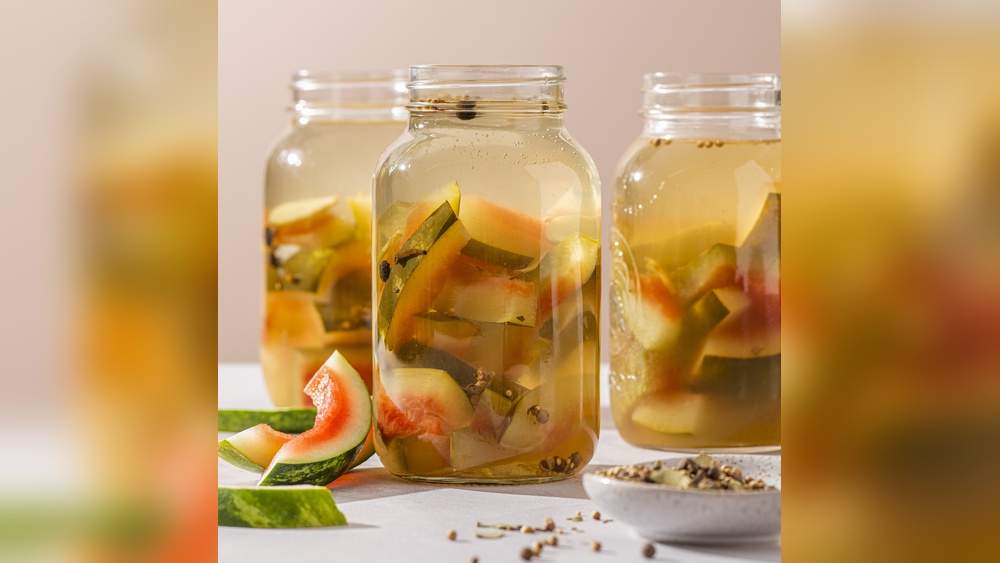
Ever bought a juicy watermelon on a hot day, only to toss away the thick white rind? Maybe you felt a little guilty, knowing most of it ends up in the trash. If you’re busy, tired, or just hungry, finding ways to reduce food waste can feel like extra work. But what if you could turn those leftover rinds into something quick, tasty, and totally different? With these easy watermelon rind pickle recipes, you’ll never look at a watermelon the same way again. Both sweet and tangy, these pickles add crunch to any meal—and help you save money, too.
Why Try Watermelon Rind Pickle Recipes?
Pickling watermelon rind is fast, simple, and budget-friendly. You use something most people throw away, and the results are surprising. Here’s what makes these recipes worth trying:
- Quick prep: Both recipes take under 30 minutes of hands-on time. You don’t need to be in the kitchen all day, and most of the work is just waiting for the flavors to develop.
- Few ingredients: You probably have most items in your kitchen right now. Vinegar, sugar, salt, and a few spices are all you really need. If you want to get creative, you can add extra flavors, but the basics are always simple.
- Low cost: You’re using food that usually goes to waste. Watermelon is already one of the most affordable summer fruits, and the rind is often overlooked. Turning it into pickles means you’re stretching your grocery budget further.
- Beginner-friendly: No special tools or skills needed. If you can peel a carrot, you can prep watermelon rind. The steps are easy to follow, and you don’t need fancy canning equipment for quick pickles.
- Customizable: Adjust flavors to suit your taste. Love a sweet pickle? Add a little more sugar. Want extra heat? Toss in more chili. You’re in control.
- Fun for families: Kids love to help peel and mix. It’s a great way to teach children about not wasting food and trying new flavors.
But there’s more than just saving money and reducing waste. Watermelon rind pickles open the door to a new world of flavor. The texture is unique—firmer than cucumber, with a gentle crunch. The taste absorbs whatever spices and brine you choose.
And you’ll be surprised how often people ask, “What kind of pickle is this? ” at your next barbecue.
Another bonus: These pickles are a conversation starter. Not everyone has tried them, and sharing something homemade from “scraps” always feels good. It’s a small act of creativity that turns leftovers into something special.
Classic Sweet Watermelon Rind Pickles
This old-fashioned recipe gives you a crunchy, sweet pickle with a hint of spice. It’s perfect for adding to sandwiches or serving with cheese. The taste is similar to sweet gherkin pickles, but with a unique twist.
Prep + Cook Time: About 1 hour (plus overnight soaking)
Makes: About 2 pint jars
🍫 Ingredients:
- 4 cups watermelon rind (white part only, green skin and pink flesh removed, cut into cubes)
- 1 tablespoon kosher salt
- 2 cups water
- 1 1/2 cups sugar
- 1 cup apple cider vinegar
- 1/2 cup white vinegar
- 1 cinnamon stick
- 1 teaspoon whole cloves
- 1 teaspoon mustard seeds
- 1/2 teaspoon allspice berries
- 2 slices fresh ginger
🥣 Steps:
- Prep the rind: Peel off all green skin and trim away any pink flesh. Cut rind into 1-inch cubes. If you want a softer texture, cut the pieces smaller, but for more crunch, keep them larger. A sharp knife or a sturdy vegetable peeler works best to remove the green skin.
- Soak: Dissolve salt in water. Add rind, cover, and soak overnight in the fridge. The saltwater soak draws out moisture and helps keep the rinds crisp. If you forget to soak overnight, try to soak for at least 4 hours for best results.
- Drain and rinse: Rinse rind well under cold water and drain completely. This removes excess salt, so your pickles aren’t too salty in the end.
- Cook syrup: In a large pot, mix sugar, both vinegars, cinnamon, cloves, mustard seeds, allspice, and ginger. Bring to a boil. The combination of apple cider and white vinegar gives a balanced tang—apple cider adds fruitiness, while white vinegar keeps things sharp and clear.
- Simmer rinds: Add drained rinds to syrup. Reduce heat and simmer for 10–15 minutes until rinds turn translucent but still have crunch. Watch the color change—the pieces will start to look clear and glassy. Check texture by poking with a fork; they should yield a little but not be mushy.
- Jar and cool: Spoon rinds and syrup into clean jars. Let cool before sealing. Store in fridge up to 2 weeks. Make sure the syrup covers all the pieces to prevent drying.
Why you’ll love it: Sweet, spiced, and perfect with cheese or ham. The flavor is nostalgic for many who grew up in the South or in households where nothing went to waste. Even if you’re new to pickling, you’ll be amazed how easy it is to create a special treat from something that usually gets thrown away.
More Ways To Use Sweet Watermelon Rind Pickles
- With breakfast: Add a few pieces to scrambled eggs or omelets for a sweet-tart contrast.
- On sandwiches: A slice or two inside a grilled cheese or ham sandwich adds crunch and flavor.
- As a snack: Serve chilled straight from the jar for a refreshing summer bite.
- In salads: Dice and toss with leafy greens, feta cheese, and nuts for a unique salad topping.
- With roasted meats: The sweet and spicy notes cut through the richness of pork, turkey, or chicken.
Customizing Your Sweet Pickles
Want to make these pickles your own? Try these ideas:
- Swap the cinnamon stick for a star anise for a slightly floral flavor.
- Add lemon peel to the syrup for a citrusy aroma.
- Use brown sugar instead of white for a deeper, caramel-like sweetness.
- If you love heat, add a pinch of chili flakes to the syrup.
Non-obvious Insight
Most beginners don’t realize that the *texture* of watermelon rind changes a lot with the soak and simmer steps. Undercooked rind can be too tough, while overcooked becomes mushy. If you want to check for doneness, cut one cube in half after 10 minutes of simmering.
It should look shiny inside but hold its shape easily.
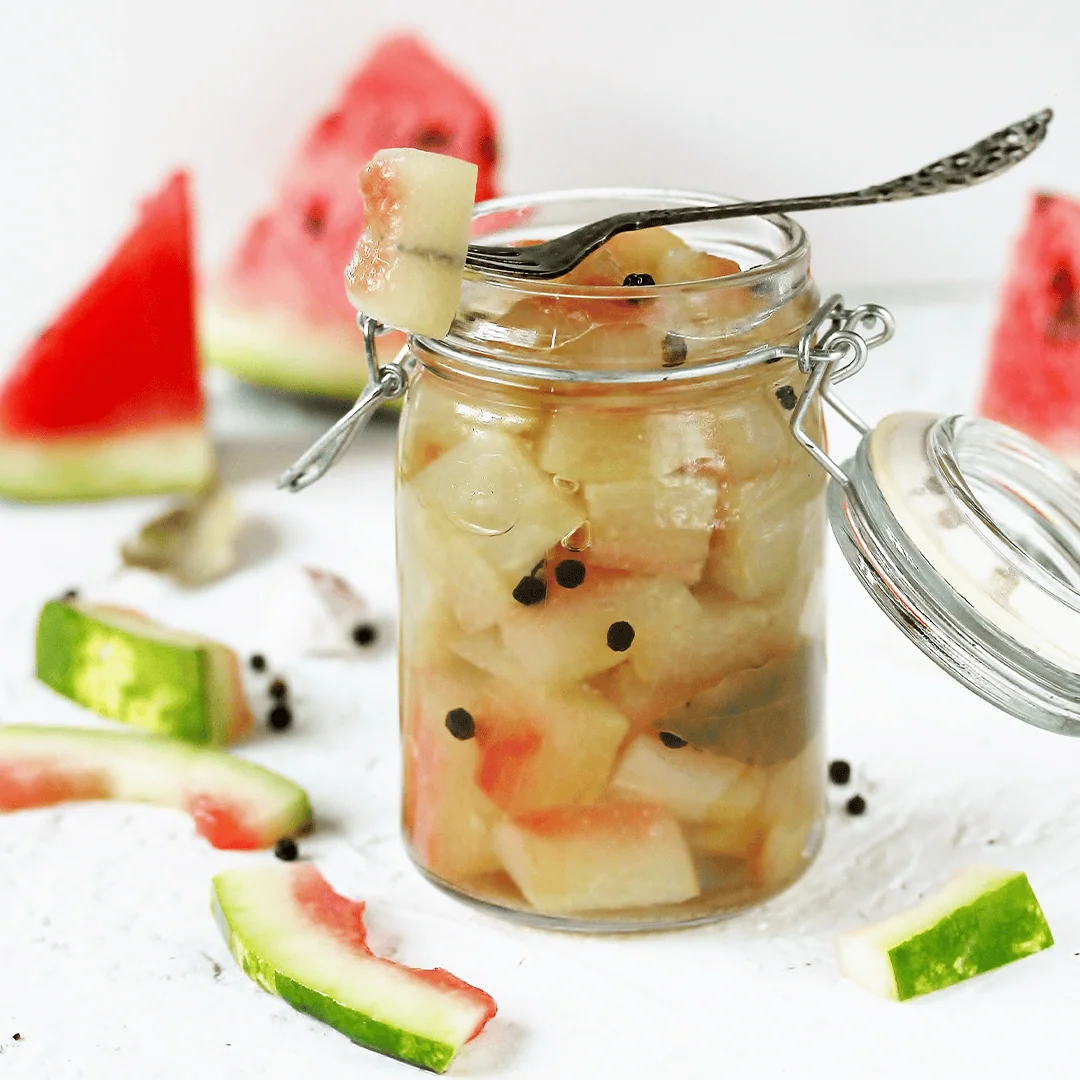
Credit: farmher.com
Spicy Quick Watermelon Rind Pickles
Want a pickle with a kick? This recipe uses chili and garlic for a tangy, zesty flavor. It’s fast, so you can enjoy within hours.
Prep + Cook Time: 30 minutes
Makes: 1 large jar
🍫 Ingredients:
- 2 cups watermelon rind (peeled, cut into thin strips)
- 1 cup white vinegar
- 1/2 cup water
- 1 tablespoon sugar
- 1 tablespoon salt
- 2 cloves garlic (smashed)
- 1 fresh red chili, sliced (or 1/2 tsp chili flakes)
- 1/2 teaspoon whole peppercorns
- 2 bay leaves
🥣 Steps:
- Prepare rind: Remove all green skin and pink flesh. Slice rind into thin strips. Thin pieces absorb the spicy brine much faster, so you’ll have full flavor in just a few hours.
- Pack jars: Place rind, garlic, chili, peppercorns, and bay leaves into a clean jar. Packing tightly is fine, just make sure there’s room for the brine to move around each piece.
- Make brine: Heat vinegar, water, sugar, and salt in a saucepan. Stir until dissolved. Bring to a gentle simmer, not a rolling boil—this keeps the flavors fresh and bright.
- Pour over rind: Carefully pour hot brine into jar, covering rinds completely. Use a funnel if you have one, but a steady hand works too. Press down with a spoon to release any air bubbles.
- Cool and chill: Let cool to room temperature, then refrigerate. Ready to eat in 4 hours, but best after 1 day. The longer they sit, the more the garlic and chili infuse the rind.
Why you’ll love it: Spicy, crunchy, and great on burgers or tacos. If you like Korean kimchi, Mexican escabeche, or other spicy pickles, you’ll appreciate the punch these bring to simple dishes.
Ways To Enjoy Spicy Watermelon Rind Pickles
- On tacos: Layer strips on fish or shrimp tacos for a spicy-sour bite.
- With grilled foods: Serve with barbecue chicken, steak, or kebabs for a zesty side.
- In rice bowls: Add to grain bowls with rice, beans, and veggies for an instant flavor boost.
- As a topping: Chop and sprinkle over avocado toast or scrambled eggs.
- With cheese: Pair with sharp cheddar, goat cheese, or creamy cheeses for a surprising contrast.
Adjusting The Heat And Flavor
If you want to experiment:
- Use jalapeño or serrano peppers for a different kind of heat.
- Add a pinch of smoked paprika for a smoky background.
- Swap white vinegar for rice vinegar for a milder, slightly sweet taste.
- Use a whole dried chili instead of fresh for a slower, more subtle heat.
Non-obvious Insight
Many first-timers don’t realize you can reuse the spicy brine once the pickles are gone. Drop in sliced onions, radishes, or even cauliflower and let them marinate for a day to make “second batch” quick pickles with a punch.
Common Mistakes To Avoid
Even simple pickles can go wrong if you miss a step. Watch out for these issues:
- Don’t use unwashed rind—wash and peel thoroughly to remove dirt and pesticides. Watermelons grow close to the ground, so the skin can be dusty or even have fertilizer residue. Scrub well before peeling.
- Avoid cutting pieces too thick—thin slices pickle faster and more evenly. Thick pieces can stay hard and not absorb flavor, especially in quick pickles.
- Never skip the salt soak for sweet pickles—it keeps the rind crisp. If you don’t soak, your pickles might turn out mushy, especially after a few days in the fridge.
- Don’t use table salt with additives—kosher or pickling salt is best. Table salt can make your brine cloudy and affect flavor.
- Avoid overcooking—rind should stay a little firm for crunch. If you simmer too long, the pieces fall apart and lose their snap.
- Don’t fill jars to the very top—leave space for brine to cover all pieces. This prevents mold and keeps everything evenly pickled.
More Troubleshooting Tips
- If your pickles taste too sharp, add a little more sugar and let them rest another day.
- If they taste bland, try adding more spices or a splash of lemon juice before serving.
- If the pickles develop bubbles or smell “off,” discard them—this means they may have spoiled.
Non-obvious Insight
Pickling is forgiving, but water can be a silent enemy. If you use tap water with lots of chlorine or minerals, your brine can taste strange. Use filtered or bottled water if your tap water is very hard or chlorinated.
How To Store And Reuse Watermelon Rind Pickles
Pickled watermelon rind keeps well in the fridge, but proper storage makes a difference.
- Fridge life: Lasts up to 2 weeks for quick pickles, and up to 1 month if processed in a water bath. Always use clean utensils to remove pickles—dirty forks or hands can introduce bacteria.
- No reheating needed: Eat straight from the fridge—heating softens the crunch. If you want to serve them warm, add to hot dishes right before serving.
- Reuse ideas:
- Chop and add to potato salad or coleslaw for a sweet-sour crunch.
- Serve with grilled meats as a side.
- Dice and mix into tuna or chicken salad.
- Add to a cheese board for a unique twist.
- Use leftover brine to marinate carrots or cucumbers.
Creative Ways To Use Pickled Watermelon Rind
- Stir into cooked grains: Add to quinoa, bulgur, or couscous for an instant flavor upgrade.
- Mix into relishes: Combine with chopped onions, bell peppers, and herbs for a homemade relish.
- Toss with roasted vegetables: Add diced pickles to roasted carrots, potatoes, or beets just before serving.
- Make a pickle dip: Chop finely and mix with cream cheese or yogurt for a tangy spread.
Non-obvious Insight
The leftover brine is loaded with flavor. Use it as a base for salad dressings—just whisk with olive oil, a little honey, and fresh herbs. It’s also great for deglazing pans after roasting meat or veggies.
Quick Tips For Better Pickles
Want to save time or adjust flavors? Try these shortcuts and substitutes:
- Use a vegetable peeler to remove green skin quickly. Even a sharp spoon can help scrape off tough spots.
- If you run out of apple cider vinegar, swap with all white vinegar. You’ll get a sharper taste, but it still works.
- Add a pinch of turmeric for a golden color. It doesn’t add much flavor, but it looks beautiful in the jar.
- For less sugar, reduce by half—the pickle will be more tangy. You can also use honey or maple syrup instead of sugar for a different sweetness.
- No whole spices? Use 1/2 teaspoon pickling spice mix instead. This is sold in most supermarkets and combines mustard seeds, coriander, bay leaves, and more.
- For a milder pickle, remove chili seeds before slicing. If you want no heat, skip the chili altogether and add a few black peppercorns.
More Time-saving Tips
- Prep the rind in advance and store in the fridge up to 2 days before pickling.
- Use a mandoline slicer for even, thin strips.
- Double the recipe and share extra jars with friends or family.
Non-obvious Insight
If your watermelon rind is from an organic melon, you might not need to peel as deeply. The green skin is tougher but edible if sliced very thin and cooked longer—just expect more chew.
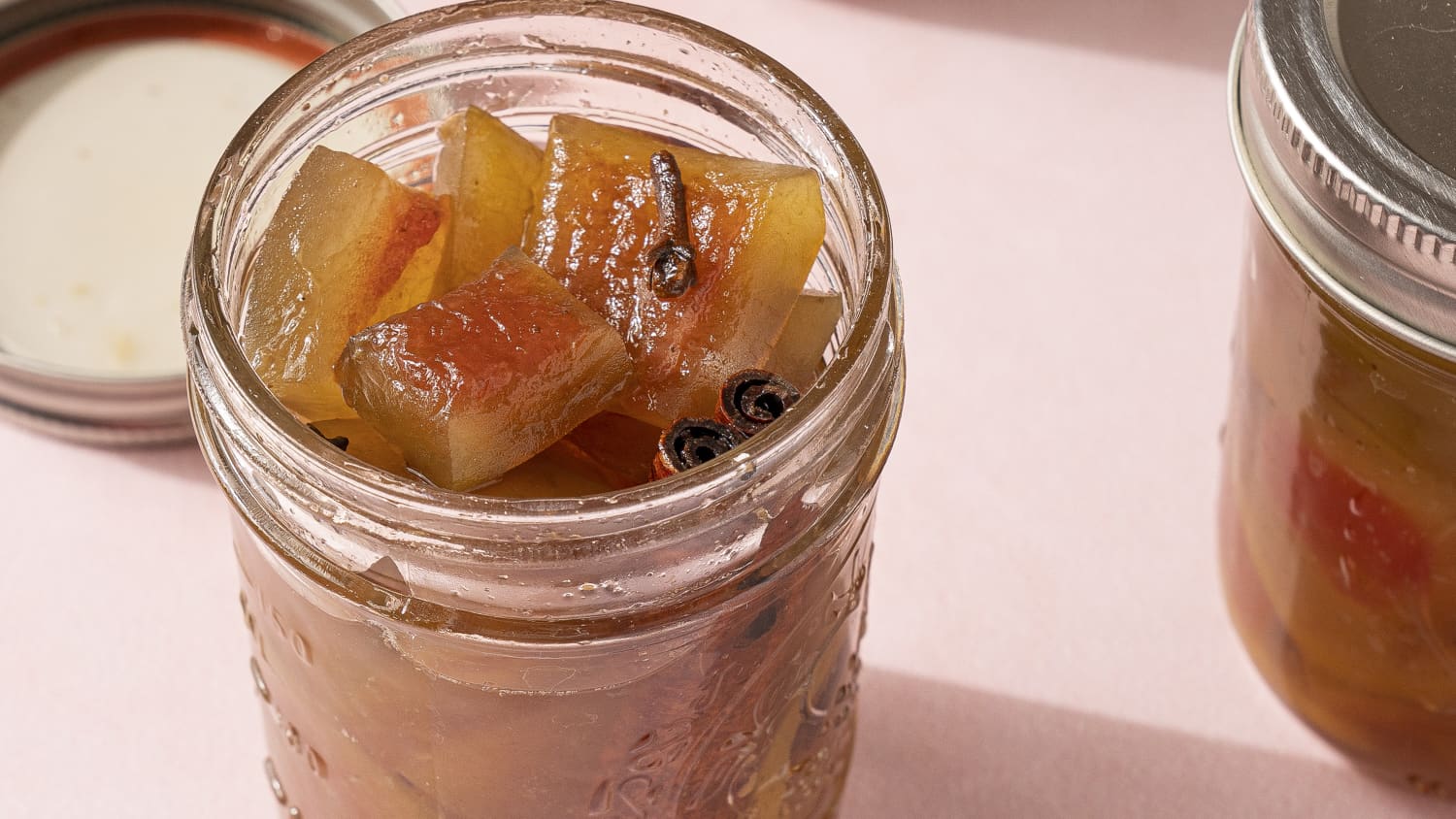
Credit: www.thekitchn.com
Frequently Asked Questions
How Do I Know If Watermelon Rind Is Still Good To Use?
The rind should be firm, white, and not slimy. If it smells bad or feels mushy, do not use it. Fresh rind snaps when bent. If your watermelon has been sitting cut in the fridge for more than 5 days, check carefully—older rind loses crunch.
Can I Freeze Watermelon Rind Pickles?
Freezing is not recommended. It changes the texture and makes the pickles soft. Keep in the fridge for best results. If you must store long term, process jars in a boiling water bath for 10 minutes for shelf-stable pickles.
Are Watermelon Rind Pickles Healthy?
Yes, they are low in calories, fat-free, and contain some vitamin C and fiber from the rind. But they do have sugar and salt. Eat in moderation as part of a balanced diet.
What Type Of Watermelon Is Best?
All varieties work, but seedless or large watermelons often have thicker, firmer rinds that are best for pickling. Small, thin-skinned melons can be used, but the rinds may be less crunchy.
Where Can I Learn More About Food Preservation?
Check out resources from the National Center for Home Food Preservation:
Can I Use These Recipes For Other Fruits?
Yes! Cantaloupe rind, pumpkin, and even green papaya can be pickled using similar brines. Adjust cooking times for harder vegetables.
How Do I Know If My Pickles Have Gone Bad?
If you see mold, a sour or “off” smell, or bubbles forming (that aren’t just from vinegar), throw them out. Always keep refrigerated and use clean utensils.
Final Thoughts
If you’re tired of wasting watermelon rind, these pickle recipes are the answer. They’re easy, full of flavor, and make the most of every part of your melon. Pin these recipes for your next summer party or picnic, and share your results—did you try the sweet or spicy version? Which one was your favorite? Let us know!
Don’t be afraid to experiment. Each batch is a little different, and you’ll find your favorite spice blend or serving idea as you go. Saving food waste doesn’t have to be boring, and with watermelon rind pickles, it can be delicious, creative, and even a little adventurous.
—
SEO Title:
2 Watermelon Rind Pickle Recipes: Sweet & Spicy Quick Pickles to Reduce Waste
Meta Description:
Transform leftover watermelon rind into delicious pickles with these 2 easy recipes. Sweet or spicy, both are quick, low-waste, and perfect for summer snacks.

Credit: farmher.com