
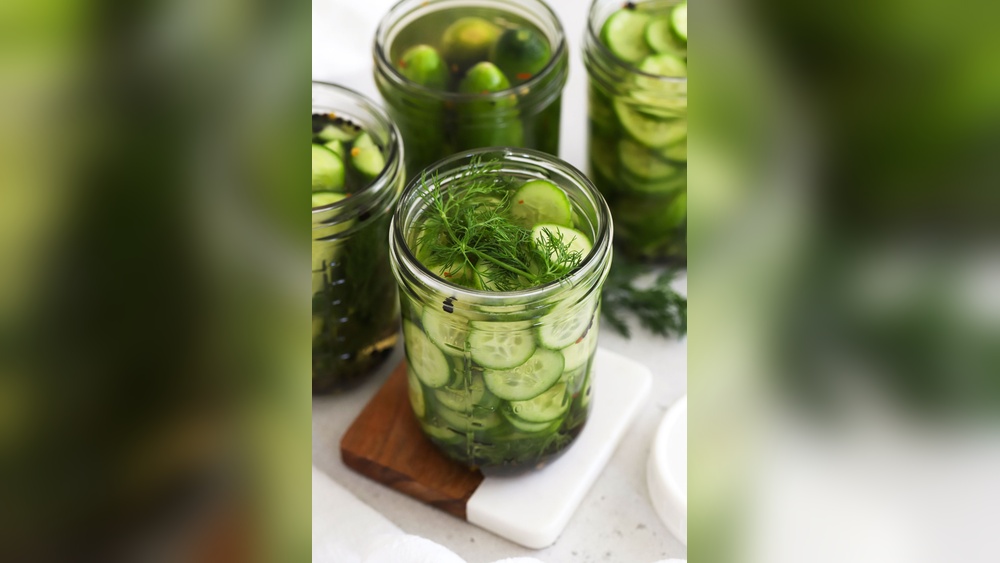
Busy days, tired nights, or sudden cravings—sometimes, you just want something bright and flavorful without spending hours in the kitchen. Maybe you’re looking for a way to use up extra veggies, or you want to add a punch to your meals. Homemade pickles are the answer. With just a few simple steps and ingredients, you can enjoy fresh, tangy pickles that taste far better than store-bought. This guide shares 7 homemade pickle recipes you can make easily, even if you’re new to pickling.
Pickling is one of the oldest and simplest ways to preserve vegetables. The combination of vinegar, salt, sugar, and spices draws out water, kills bacteria, and infuses flavor. But there’s more to it than just preservation. Quick pickling—sometimes called refrigerator pickling—lets you create small batches full of bright tastes and crisp textures, with no waiting months for fermentation.
These recipes focus on that fast, easy method, so you can enjoy results the same day.
You don’t need to be an expert or buy special jars. With only basic kitchen tools and common ingredients, you can start making your own pickles tonight. Along the way, you’ll learn how to get the best crunch, adjust flavors, avoid common mistakes, and create pickles that are uniquely yours.
Why These Pickle Recipes Are A Game-changer
Homemade pickles aren’t just delicious—they’re practical. These recipes are:
- Quick: Most take under 30 minutes active time.
- Simple: No fancy tools or skills needed.
- Affordable: Uses common, cheap ingredients.
- Flexible: Swap veggies or spices as you like.
- Small-batch: Perfect for singles or families.
- Beginner-friendly: Clear steps anyone can follow.
You don’t need canning skills or expensive equipment—just a jar, some vinegar, and your favorite vegetables.
Another advantage is control. Store-bought pickles are often too salty, too sweet, or loaded with preservatives and dyes. With these recipes, you control the taste, texture, and what goes into your food. Want less sugar? Reduce it. Like more garlic or a special spice blend?
Go ahead and experiment.
Homemade pickles are also a smart way to reduce food waste. Have a few carrots, a half cucumber, or some leftover onions? Turn them into pickles and give them new life. These recipes use small amounts, so you can try different combinations without committing to huge batches.
If you have kids, making pickles together is a fun, hands-on kitchen project. They can help slice veggies, measure ingredients, and taste the results. Homemade pickles make great gifts too—just fill a jar, tie on a ribbon, and you have a thoughtful, homemade treat.
Classic Crunchy Cucumber Pickles
Nothing beats the fresh snap of a cucumber pickle. This classic recipe gives you that deli crunch and tang, ready in just hours.
🍫 Ingredients:
- 2 medium cucumbers (sliced into rounds or spears)
- 1 cup white vinegar
- 1 cup water
- 1 tablespoon salt
- 2 teaspoons sugar
- 3 cloves garlic (smashed)
- 1 teaspoon black peppercorns
- ½ teaspoon mustard seeds
- Fresh dill (optional)
🥣 Steps:
- Place cucumbers, garlic, and dill in a clean jar.
- In a pot, combine vinegar, water, salt, sugar, peppercorns, and mustard seeds. Heat until salt and sugar dissolve.
- Pour hot liquid over cucumbers, making sure they’re covered.
- Cool to room temperature, then refrigerate for at least 2 hours.
Why you’ll love it: The crunch and flavor beat any supermarket pickle.
Extra detail: For even crunchier pickles, chill your cucumbers in ice water for 30 minutes before slicing. Choose small, firm cucumbers—like Persian or Kirby cucumbers—for the best texture. If you want an extra garlicky kick, add a little sliced onion or a pinch of red pepper flakes to the jar.
You can also play with the flavor by adding a bay leaf, coriander seeds, or even a few slices of fresh ginger. If you prefer less tang, replace half the vinegar with more water. After a day in the fridge, the flavors deepen and the pickles become even tastier.
They’re perfect for sandwiches, burgers, or just snacking.
Spicy Quick Pickled Red Onions
Add a pop of color and tang to tacos, salads, or burgers with spicy pickled red onions. They’re ready in a flash and keep well for weeks.
🍫 Ingredients:
- 1 large red onion (thinly sliced)
- ½ cup apple cider vinegar
- ½ cup hot water
- 1 tablespoon sugar
- 1 teaspoon salt
- ½ teaspoon chili flakes
🥣 Steps:
- Place onion slices in a heatproof jar.
- Mix vinegar, water, sugar, salt, and chili flakes until dissolved.
- Pour mixture over onions. Press onions down to submerge.
- Let sit for at least 30 minutes before using.
Why you’ll love it: Adds instant flavor and color to any dish.
More insight: These onions are not just for Mexican food. Try them with roasted vegetables, grain bowls, or even on avocado toast. If you don’t like much heat, reduce or skip the chili flakes. For a sweeter, more mellow flavor, use white or red wine vinegar instead of apple cider vinegar.
The longer these sit, the brighter the pink color becomes. After a day, they’re milder and a bit sweeter. If you want to use them right away, a 10-minute soak is enough for light pickling. For deeper flavor, let them chill overnight.
They’ll keep their crispness for up to three weeks in the fridge.
Sweet And Tangy Carrot Pickles
Carrot pickles bring brightness to rice bowls, sandwiches, or just as a snack. This version is both sweet and tangy.
🍫 Ingredients:
- 2 large carrots (peeled, cut into matchsticks)
- ½ cup rice vinegar
- ½ cup water
- 2 tablespoons sugar
- 1 teaspoon salt
- 1 clove garlic (smashed)
🥣 Steps:
- Pack carrots and garlic into a clean jar.
- In a bowl, stir vinegar, water, sugar, and salt until dissolved.
- Pour brine over carrots.
- Let sit at room temp for 1 hour, then refrigerate.
Why you’ll love it: The sweet-tart flavor makes veggies addictive.
Extra explanation: These pickles stay crunchy and bright, even after days in the fridge. You can add a few slices of fresh ginger or a pinch of chili flakes for extra warmth. If you’re using them for Vietnamese-style banh mi sandwiches, try adding a few slices of daikon radish to the jar.
Kids often love these carrot pickles because they’re sweet but not candy-like. They’re also great for lunchboxes or as a healthy snack after school.
If you want a sugar-free version, swap sugar for a teaspoon of honey or a sugar substitute like stevia—just be aware the taste will change slightly.
Beginner insight: Don’t overpack the jar—if the veggies are too tight, the brine won’t reach everything. Always make sure the carrots are fully submerged to avoid spoilage.
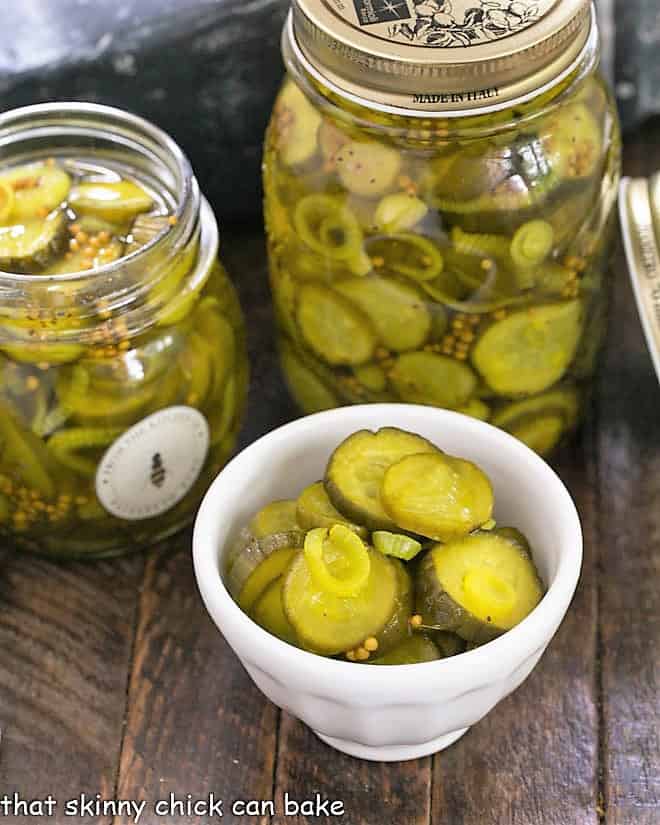
Credit: www.thatskinnychickcanbake.com
Simple Pickled Jalapeños
Love a spicy kick? Pickled jalapeños are fast, zesty, and perfect on pizza, nachos, or eggs.
🍫 Ingredients:
- 5 jalapeños (sliced into rings)
- ¾ cup white vinegar
- ¼ cup water
- 1 tablespoon sugar
- 2 teaspoons salt
- 1 clove garlic (optional)
🥣 Steps:
- Place jalapeños and garlic in a heatproof jar.
- Heat vinegar, water, sugar, and salt until dissolved.
- Pour hot mixture over jalapeños.
- Cool, then refrigerate for at least 1 hour.
Why you’ll love it: Adds a punch without overpowering your food.
Expanded tips: Use gloves when slicing jalapeños to avoid burning your hands. If you like a mix of mild and hot, add a sliced bell pepper or banana pepper to the jar. You can also add cumin seeds or a bay leaf for extra flavor.
Pickled jalapeños mellow in heat as they pickle, so they’re often less spicy than raw. After a few days, they’re perfect for tacos, sandwiches, or adding to potato salad for a kick. If you find your pickles are too sharp, add a little more sugar next time to balance the acidity.
Fast Asian-style Pickled Daikon And Carrot
This crunchy, refreshing Vietnamese-inspired pickle is a must for banh mi or rice bowls. It’s sweet, sour, and ready in no time.
🍫 Ingredients:
- 1 small daikon radish (peeled, julienned)
- 2 medium carrots (peeled, julienned)
- ¾ cup rice vinegar
- ¼ cup water
- 3 tablespoons sugar
- 1 tablespoon salt
🥣 Steps:
- Sprinkle daikon and carrots with 1 tablespoon salt. Toss and let sit 10 minutes to draw out water. Rinse and drain.
- Pack veggies into a clean jar.
- Mix vinegar, water, and sugar until dissolved. Pour over veggies.
- Let pickle at room temp for 1 hour, then chill.
Why you’ll love it: The sweet-sour balance is addictive and lifts any meal.
Further detail: Daikon can be strong when raw, but pickling softens its flavor and removes bitterness. If you can’t find daikon, use regular white or red radish. For a more colorful jar, add thinly sliced jalapeño or a few sprigs of cilantro.
These pickles add crunch to salads, noodle bowls, or wraps. If you want a lighter pickle, reduce the sugar. If you prefer a deep tang, use all vinegar and skip the water.
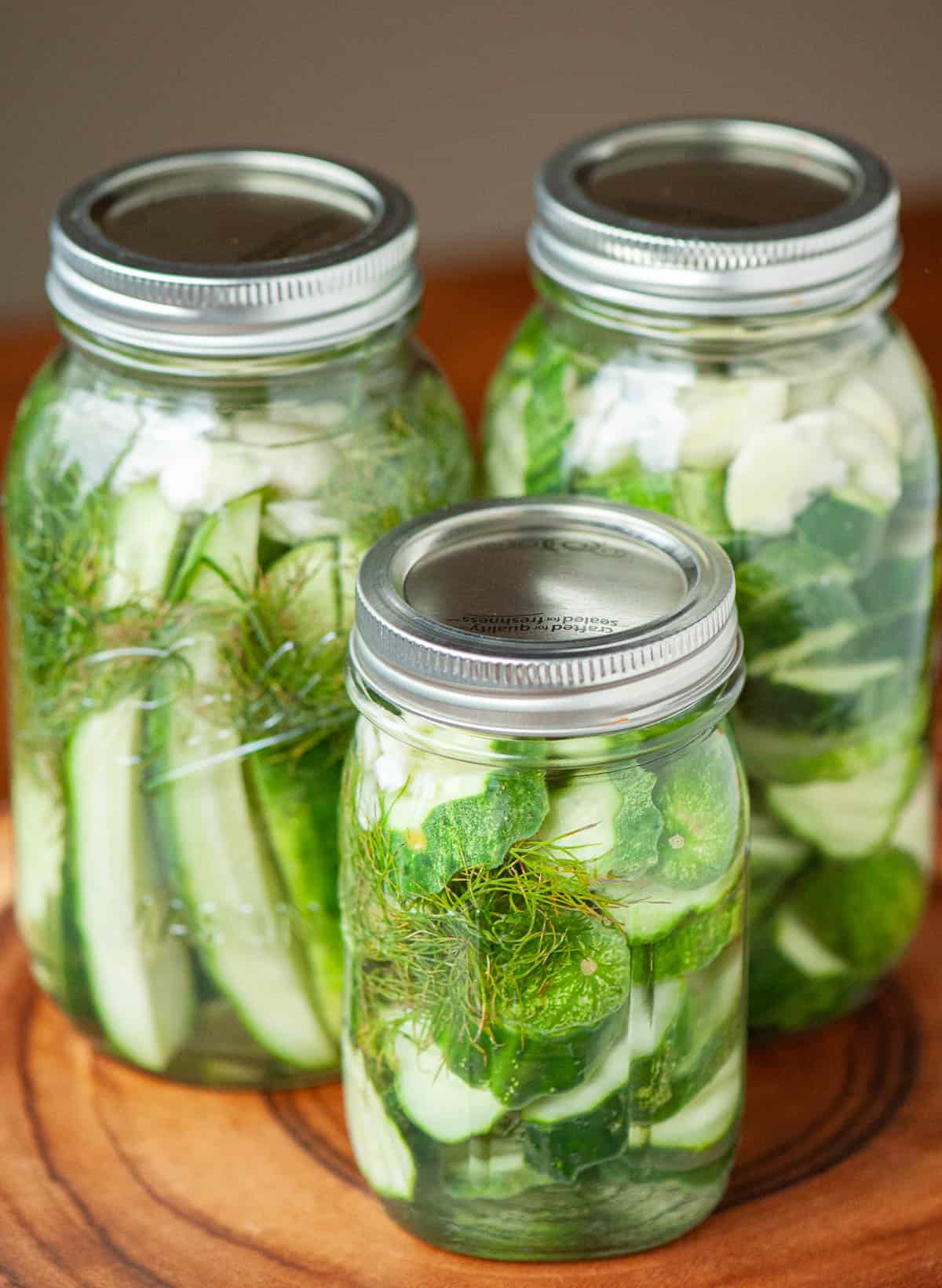
Credit: selfproclaimedfoodie.com
Garlic Dill Zucchini Pickles
Too many zucchinis? This recipe turns them into garlicky, herby pickles that rival cucumbers.
🍫 Ingredients:
- 2 small zucchinis (cut into sticks or rounds)
- 1 cup white vinegar
- 1 cup water
- 1 tablespoon salt
- 1 tablespoon sugar
- 2 cloves garlic (smashed)
- 1 teaspoon dill seeds or fresh dill
🥣 Steps:
- Place zucchini, garlic, and dill in a clean jar.
- Bring vinegar, water, salt, and sugar to a boil to dissolve.
- Pour hot brine over zucchini.
- Cool, then refrigerate at least 2 hours.
Why you’ll love it: A smart, tasty way to use up garden zucchini.
Expanded explanation: Zucchini softens faster than cucumber, so check the texture after an hour and enjoy while still crisp. You can add a few slices of red onion for sweetness, or a pinch of chili flakes for a spicy variation.
Zucchini pickles are perfect for antipasto platters, grain bowls, or as a tangy side for roasted meats. If you find the brine too strong, rinse the pickles briefly before serving.
Sweet Bread And Butter Pickles
These classic bread and butter pickles are sweet, tangy, and just a little spicy. Perfect for burgers or cheese boards.
🍫 Ingredients:
- 2 cups sliced cucumbers
- 1 small onion (thinly sliced)
- 1 cup apple cider vinegar
- ½ cup sugar
- 1 tablespoon salt
- ½ teaspoon celery seeds
- ½ teaspoon mustard seeds
- ¼ teaspoon turmeric
🥣 Steps:
- Mix cucumbers and onion with salt. Let sit 10 minutes, then rinse and drain.
- In a saucepan, heat vinegar, sugar, celery seeds, mustard seeds, and turmeric until sugar dissolves.
- Add cucumbers and onions to brine. Simmer 1-2 minutes.
- Pack into a jar with brine. Cool and refrigerate at least 2 hours.
Why you’ll love it: Balances sweet and tangy for a crowd-pleasing snack.
Serve these pickles on sandwiches, with cheese, or as a side to spicy foods—the sweetness balances heat. They’re especially good with fried chicken or barbecue.
Beginner note: If you prefer less sugar, you can cut the amount in half, but the pickles will be more tangy and less traditional.
:max_bytes(150000):strip_icc()/__opt__aboutcom__coeus__resources__content_migration__simply_recipes__uploads__2017__08__2017-09-7-RefrigeratorPickles-14-ad74669947d9471c85feef053d2fa002.jpg)
Credit: www.simplyrecipes.com
Common Homemade Pickle Mistakes To Avoid
It’s easy to mess up pickles if you’re new. Here’s what to watch out for:
- Don’t use too little salt—pickles won’t ferment or taste right.
- Avoid overcrowding jars; veggies need space for brine to cover them.
- Don’t skip the cooling step—adding hot brine to delicate veggies can make them mushy.
- Avoid metal lids; vinegar can react and cause off flavors.
- Don’t use old, wrinkled vegetables; fresh is best for crunch and taste.
- Don’t forget to label jars with the date, so you know when they’re ready and fresh.
If your pickles turn mushy, it’s usually because the vegetables were not fresh, the brine was too hot, or they sat out too long before chilling. For best results, refrigerate as soon as they cool to room temperature.
If you see bubbles, slime, or a foul smell, discard the pickles. It’s better to be safe than sorry.
Storing Your Pickles: How Long, How To Use
Homemade quick pickles last well in the fridge, but they’re not shelf-stable like canned pickles.
- Refrigerator life: Most last 2–4 weeks in a sealed jar.
- Check for spoilage: If you see cloudiness, mold, or off smells, discard.
- Reheating: Quick pickles are not meant to be reheated; serve cold or at room temperature.
- Reuse ideas: Leftover brine makes a great marinade for chicken or tofu, salad dressing base, or even a tangy addition to cocktails.
- Tip: Always use a clean fork to take pickles out, so they last longer.
Extra detail: For best flavor, eat pickles within the first week. The taste and texture are brightest then. Over time, pickles can become softer and the flavors blend. To keep track, label jars with the date made.
Don’t freeze quick pickles—the texture suffers. If you make a big batch, share with friends or neighbors.
Ways to use pickles:
- Chop and add to potato salad or coleslaw for a tangy twist.
- Mix into tuna or egg salad.
- Dice and sprinkle over grilled meats or roasted vegetables.
- Layer in sandwiches, wraps, or burgers.
Quick Tips For Even Easier Homemade Pickles
Make pickling fit your lifestyle with these fast hacks:
- Use pre-sliced veggies from the store to save time.
- Try different vinegars—red wine, rice, or apple cider—for new flavors.
- Add whole spices like coriander, bay leaf, or star anise for custom tastes.
- Sweeten with honey or maple syrup instead of sugar for a natural twist.
- Swap out salt for a low-sodium alternative if watching your intake.
- Mix and match vegetables—combine carrots, radish, and cucumber for a mixed pickle jar.
More ideas:
- Cut vegetables into fun shapes for kids, like stars or flowers.
- Make extra brine and keep it in the fridge—just add fresh veggies to pickle more anytime.
- Add a slice of lemon or lime for citrusy pickles.
Frequently Asked Questions
How Long Do Homemade Pickles Last In The Fridge?
Most homemade quick pickles keep fresh for 2 to 4 weeks if stored in a sealed jar in the refrigerator. Always check for signs of spoilage like cloudiness, mold, or bad odors before eating.
Extra detail: After about two weeks, some vegetables may lose crunch. Taste test before serving to see if you still like the texture.
Can I Use Any Vinegar For Pickling?
You can use white, apple cider, or rice vinegar for most recipes. Avoid malt vinegar, which can overpower delicate flavors. For safety, use vinegars with at least 5% acidity.
Why Are My Pickles Soft, Not Crunchy?
Soft pickles usually mean overripe veggies or pouring boiling brine directly over them. Always use fresh, firm vegetables and let brine cool a bit if you want extra crunch.
Is It Safe To Reuse Pickle Brine?
You can reuse brine for marinating cooked meat or vegetables, or as a salad dressing base. But for safety, don’t reuse it to make a new batch of pickles, as acidity may drop.
Non-obvious detail: If you use brine as a marinade, don’t reuse it again—once it’s touched raw meat, discard after use.
Are Homemade Pickles Healthier Than Store-bought?
Homemade pickles are often lower in additives and sugar and let you control salt. They’re also free of artificial preservatives found in many commercial brands. Read more about the health aspects at Healthline.
Pickling at home is fast, fun, and budget-friendly. Try pinning your favorite recipes and share your results with friends. Which veggie will you pickle first?