
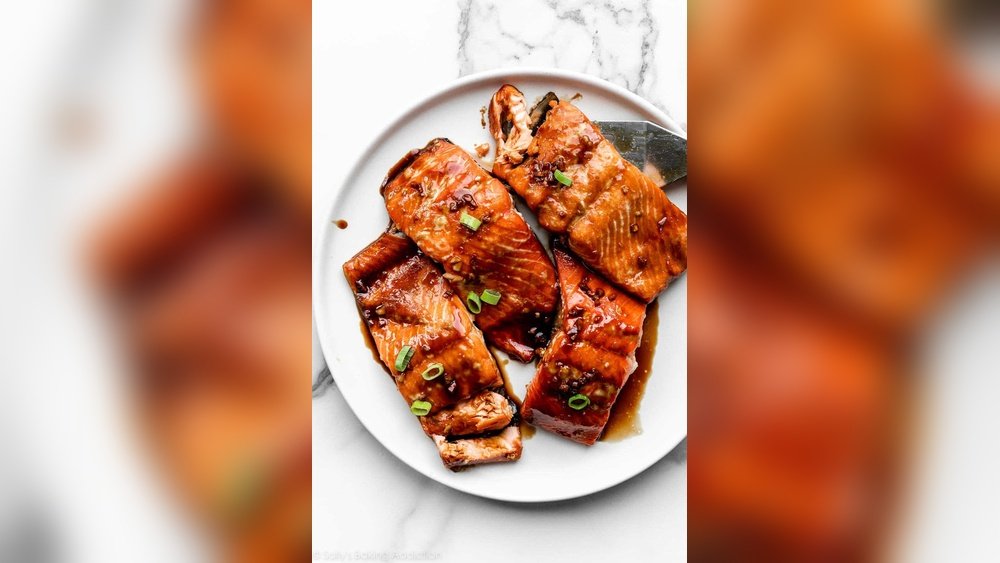
Are you ever too busy, too tired, or just too hungry to cook something complicated? Maybe you open your fridge, see plain chicken or carrots, and wish for something quick that makes them taste amazing. You’re not alone. Many people want easy recipes that turn simple food into something special—with very little effort. That’s where a good honey glaze recipe saves the day. In this guide, you’ll get two fantastic honey glaze recipes you can make in minutes. No stress, no fancy tools, just simple ingredients and big flavor—perfect for beginners or anyone who loves good food without the work.
Maybe you’ve tried to cook at home, but the food tastes bland. Or maybe you want to impress someone with a home-cooked meal, but you don’t want to spend all day in the kitchen. Honey glaze helps you do both.
Even if you only have a few things in your pantry, you can make something that tastes like it came from a restaurant. Plus, these recipes are simple to memorize. Once you learn the basics, you can use them anytime.
Honey glaze works with almost every diet, too. It’s naturally gluten-free (if you use gluten-free soy sauce), and you can make it dairy-free if you skip the butter or use olive oil. If you want more vegetables in your meals, honey glaze makes carrots, broccoli, or Brussels sprouts taste so much better.
For meat eaters, it’s a classic for chicken wings, pork chops, or salmon.
This guide will also help you avoid common mistakes and show you how to store and reuse your glaze. If you’ve ever wondered how to make food exciting without a lot of work, you’re in the right place.
Why Honey Glaze Recipes Are A Game Changer
Honey glazes are the secret weapon for busy cooks. Here’s why these recipes deliver so much value:
- Ready in 10 minutes or less
- Use only a few, common ingredients
- Budget-friendly—great for any kitchen
- Instantly upgrades plain meat or veggies
- No special skills or equipment needed
- Works for chicken, salmon, carrots, ham, or tofu
If you want fast, sweet-and-savory flavor, a honey glaze is your best friend.
But what makes honey glaze stand out from other quick sauces or marinades? First, honey is a natural sweetener that also helps food brown beautifully. When you heat honey with a little acid (like lemon juice or vinegar), it thickens and becomes glossy.
This makes your food look and taste special—almost like restaurant quality—without extra work.
Honey glaze is also very flexible. You can use it as a dipping sauce, a marinade, or a finishing glaze. For example, brush it on grilled chicken in the last few minutes of cooking for a sticky, caramelized finish. Toss roasted carrots with honey glaze for a sweet, golden crust.
Or drizzle it over baked salmon for a shiny, flavorful top. If you have leftovers, stir them into cooked rice or noodles for extra taste.
Another big advantage is cost. The main ingredients—honey, soy sauce, mustard, and lemon juice—are inexpensive and last a long time in the pantry. You don’t need to buy special spices or sauces. This is perfect if you’re cooking for one or two people, or if you’re feeding a family and want to save money.
Many sauces need long simmering or blending. Not honey glaze. You can make it in one pan or even a small bowl. This means less mess, less cleaning, and more time to relax or enjoy your meal.
A lot of beginner cooks worry about overcooking meat or making sauces that split. Honey glaze is forgiving. Even if you simmer it a bit too long, you can usually fix it with a splash of water or lemon juice.
That’s why it’s so popular for weeknight cooking and meal prep.
Lastly, honey glaze can help you eat healthier. Instead of heavy cream sauces or fried toppings, a quick honey glaze adds flavor without a lot of extra fat or calories. You’re still getting that sweet, sticky, satisfying taste, but in a lighter way.
Simple Sweet & Savory Honey Glaze
Want the classic sweet glaze that works on almost anything? This simple honey glaze is your go-to. It mixes basic pantry ingredients for a balanced, sticky finish. You can brush it on chicken, salmon, pork, or roasted vegetables. Even picky eaters usually love it!
🍫 Ingredients:
- 1/4 cup honey
- 2 tablespoons soy sauce
- 1 tablespoon butter
- 1 tablespoon lemon juice (or vinegar)
- 1/2 teaspoon black pepper
- 1/4 teaspoon garlic powder (optional)
🥣 Steps:
- Add honey, soy sauce, butter, lemon juice, black pepper, and garlic powder to a small pan.
- Heat over medium-low, stirring often, until the butter melts and the glaze just starts to bubble.
- Turn heat to low and simmer for 1–2 minutes, until slightly thickened.
- Remove from heat. Use while warm, brushing or pouring over your dish.
Why you’ll love it: You only need a few ingredients for big flavor.
Extra Tips & Variations
- If you want a richer flavor, use browned butter instead of regular butter. Just melt the butter until it turns a light golden color before adding the other ingredients.
- You can add a pinch of chili flakes or cayenne pepper for a sweet-spicy version that’s great on grilled meats.
- For a deeper savory note, add a teaspoon of toasted sesame oil at the end.
- If you don’t have lemon juice, apple cider vinegar or rice vinegar works well. Each acid gives a slightly different taste—lemon is fresh, apple cider is fruity, and rice vinegar is mild.
- Make a double batch and keep some in the fridge for up to a week. It’s perfect for brushing on leftover chicken or tossing with steamed vegetables the next day.
How To Use Simple Honey Glaze
- Brush on baked or grilled chicken during the last 10 minutes of cooking.
- Toss roasted carrots or sweet potatoes in honey glaze right after they come out of the oven.
- Use as a dip for chicken tenders or shrimp.
- Drizzle over baked salmon or pork chops for a restaurant-style finish.
- Mix into cooked rice or noodles for a quick, flavorful side dish.
Common Beginner Mistake
Many people add honey glaze at the start of roasting or grilling. This often leads to burnt, bitter spots because honey burns quickly. The best way: cook your food most of the way, then brush on glaze near the end and finish cooking. This gives you a shiny, sticky coating without burning.
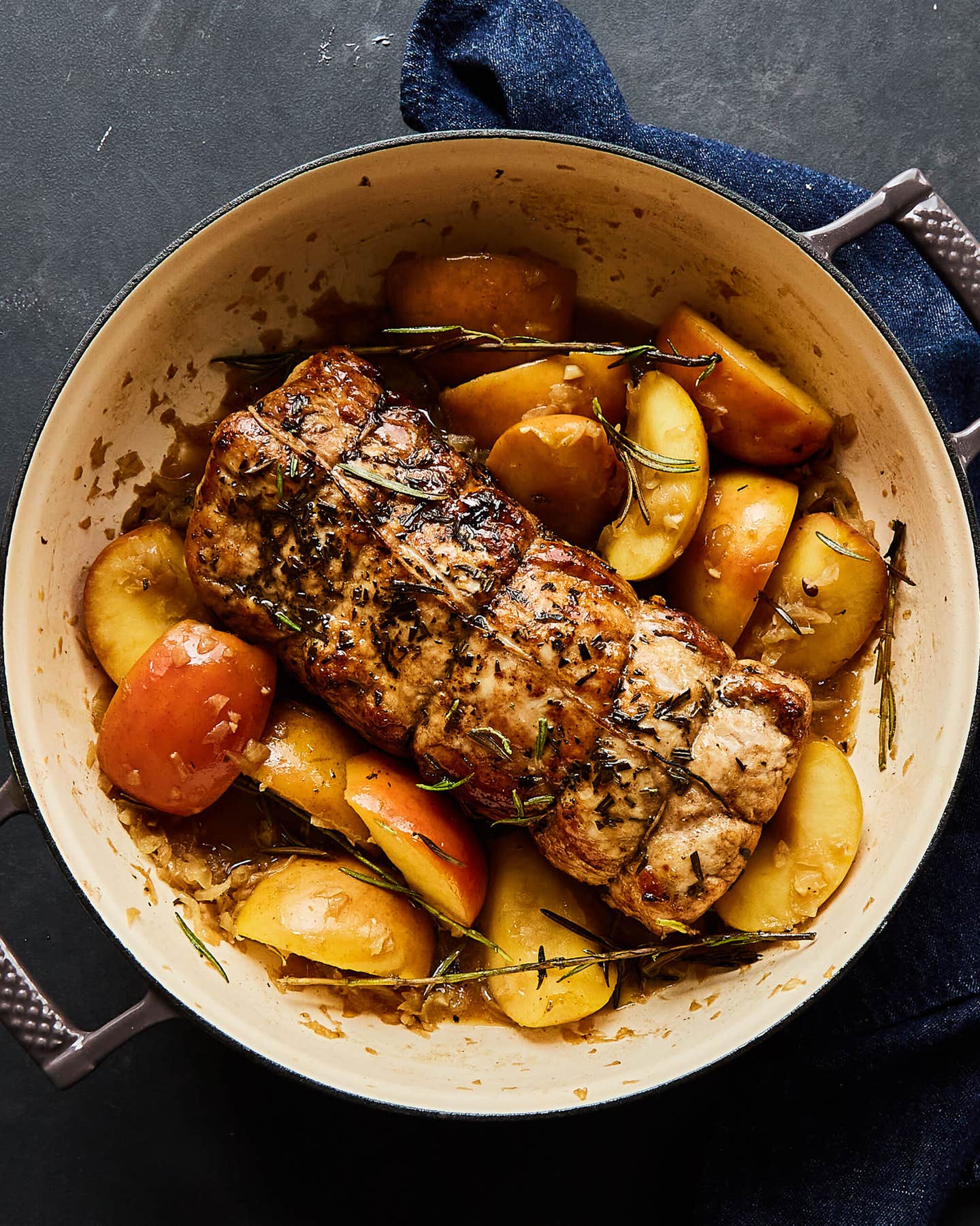
Credit: www.saveur.com
Zesty Honey Mustard Glaze For Chicken Or Veggies
Craving something tangy and sweet? This honey mustard glaze is perfect for roasted chicken, carrots, or even tofu. The mustard adds a mild kick, balancing the honey perfectly.
🍫 Ingredients:
- 1/4 cup honey
- 2 tablespoons Dijon mustard
- 1 tablespoon olive oil
- 1 tablespoon apple cider vinegar (or lemon juice)
- 1/4 teaspoon salt
- 1/4 teaspoon black pepper
🥣 Steps:
- Whisk honey, mustard, olive oil, vinegar, salt, and pepper in a bowl until smooth.
- Pour over your chicken, carrots, or vegetables before roasting or grilling.
- For a sticky finish, brush a little more glaze on during the last 5 minutes of cooking.
Why you’ll love it: It’s zesty, not too sweet, and makes plain food exciting.
More Ways To Use Honey Mustard Glaze
- Brush on chicken breasts before baking for a juicy, flavorful crust.
- Toss with cooked Brussels sprouts or green beans for an instant upgrade.
- Stir into cooked quinoa or couscous for a fast side dish.
- Use as a sandwich spread—mix with a little mayo for a sweet-tangy flavor.
- Drizzle over roasted tofu for a vegetarian main dish that’s not boring.
Ingredient Swaps And Add-ons
- Regular yellow mustard can replace Dijon for a milder flavor.
- For a creamier glaze, whisk in a tablespoon of Greek yogurt or mayonnaise.
- Add a clove of minced garlic for extra aroma.
- Try balsamic vinegar instead of apple cider vinegar for a richer, slightly sweet taste.
- Sprinkle in fresh herbs like thyme or rosemary for a more complex flavor.
Non-obvious Insight
Most people think honey mustard glaze is just for chicken or ham. But it’s amazing on roasted vegetables, especially carrots, parsnips, or potatoes. The sweetness helps vegetables caramelize, and the mustard keeps the flavor lively—not too sweet or heavy.
Mistakes To Avoid With Honey Glazes
Even easy recipes have their pitfalls. Don’t let these common mistakes ruin your meal:
- Don’t cook the glaze on high heat—it can burn fast
- Avoid adding the glaze too early—it may caramelize before food is done
- Don’t use too much salt if your soy sauce is salty
- Avoid over-mixing once it starts to simmer—it gets cloudy
- Don’t skip the acid (lemon/vinegar)—it balances the sweetness
- Avoid using low-quality honey—it changes the whole flavor
More Detail On Each Mistake
- Cooking on high heat: Honey burns at a lower temperature than sugar. If you cook the glaze on high or put food with glaze directly under a broiler, it can quickly turn black and taste bitter. Always use medium or low heat and watch closely.
- Adding glaze too early: If you put honey glaze on raw meat or vegetables before cooking, the sugars will caramelize and possibly burn before the inside is cooked. For best results, cook your food until it’s almost done, then glaze and return to the oven or grill for a few minutes.
- Too much salt: Many people forget how salty soy sauce can be. If you’re using a regular (not low-sodium) soy sauce, taste your glaze before adding extra salt. Remember, you can always add more at the table if needed.
- Over-mixing: Once your glaze starts to bubble and thicken, stop stirring too much. Over-mixing can make it cloudy and break the smooth, glossy finish.
- Skipping the acid: Lemon juice or vinegar is not just for taste. It balances the sweetness and makes the glaze shine. Without acid, glazes taste flat and can be too sticky.
- Low-quality honey: Cheap honey or “blended” honey often tastes dull or too sugary. Good quality honey gives a floral, bright flavor. If possible, buy local honey—it often tastes better and supports local farmers.
Extra Insight
Some people try to thicken honey glaze with cornstarch or flour. This is usually not needed. Honey thickens naturally as it cools. If you want a very thick glaze for dipping, just simmer a bit longer and let it cool.
:max_bytes(150000):strip_icc()/AR-256865-the-best-homemade-honey-garlic-sauce-DDMFS-3x4-bda4ab2cb6eb43d09cb4a2c0379a23f2.jpg)
Credit: www.allrecipes.com
Storing & Reheating Honey Glaze
Wondering how to keep leftovers tasty? Here’s what you need to know:
- Store leftover glaze in an airtight container in the fridge for up to 1 week
- Reheat gently in a microwave or small pan—low heat is best so it doesn’t burn
- If glaze gets too thick in the fridge, stir in a spoonful of water or lemon juice before using
- Use leftover honey glaze as a dip for chicken nuggets, a drizzle for roasted veggies, or even as a sweet salad dressing base
Here’s a quick comparison of fridge life and reheating tips:
| Glaze Type | Fridge Life | Best Reheat Method | Reuse Ideas |
|---|---|---|---|
| Simple Honey Glaze | 1 week | Microwave 10–15 sec, stir well | Veggie dip, sandwich spread |
| Honey Mustard Glaze | 1 week | Pan on low, whisk gently | Salad dressing, sauce for fish |
More Storage & Reuse Ideas
- If you make a large batch, freeze small portions in an ice cube tray. Pop out a cube when you need quick flavor for a meal.
- Stir leftover glaze into cooked lentils or beans for a sweet-savory twist.
- Mix a spoonful into Greek yogurt for a unique, tangy dip.
- Thin with extra lemon juice and use as a salad dressing.
- Drizzle over grilled fruit (like pineapple or peaches) for a fast dessert.
Practical Tip
Always label your container with the date you made the glaze. This way, you know how long it’s safe to use. If the glaze separates or looks cloudy after a few days, just reheat and stir—it usually comes back together.
Quick Tips For Better Honey Glaze
Want to save time, or out of an ingredient? Try these:
- Use maple syrup instead of honey for a different sweetness
- No soy sauce? Try coconut aminos or a splash of Worcestershire
- Lemon juice and vinegar are both good for the acid—pick what you have
- Brush glaze on in the last 5–10 minutes of roasting or grilling for best results
- For extra thickness, let glaze cool before using—it will set up more
- Add a pinch of chili flakes for a sweet-spicy kick
More Tips & Tricks
- If you want a smoky flavor, add a few drops of liquid smoke or a pinch of smoked paprika.
- For extra shine, brush glaze on food right before serving.
- If you like Asian flavors, add a bit of grated ginger or a dash of sesame oil to the basic glaze.
- To make your glaze gluten-free, use tamari or coconut aminos instead of regular soy sauce.
- If you want to cut calories, use half honey and half fruit juice (like orange or pineapple) for a lighter glaze.
- To keep your glaze from sticking to the pan, use a nonstick skillet and stir with a silicone spatula.
Non-obvious Insight
Most people think you need a brush to apply glaze. But if you don’t have one, just use the back of a spoon or a piece of parchment paper. The main thing is to spread the glaze evenly and not let it pool in one spot.
:max_bytes(150000):strip_icc()/3038204-chef-johns-honey-glazed-ham-Mariko-1x1-2-0741a1b42bfd4d4b8e3b134628b0c329.jpg)
Credit: www.allrecipes.com
Frequently Asked Questions
How Do I Stop My Honey Glaze From Burning?
Honey burns easily at high heat. Always apply glaze during the last part of cooking, and keep heat medium or lower. If cooking on a grill, brush it on near the end.
If you’re cooking in the oven, place your food on the middle rack, not too close to the top heating element. If you see the glaze starting to smoke, lower the heat immediately.
Can I Make Honey Glaze Ahead Of Time?
Yes. Both glazes keep well in the fridge for up to a week. Bring to room temperature or warm gently before using for best texture.
If you want to use glaze for meal prep, make a double or triple batch and store in small jars. Just remember to stir before using, as some ingredients may separate slightly.
Is Honey Glaze Safe For Kids?
Yes, if you use pasteurized honey and avoid spicy add-ins. Skip chili flakes or extra black pepper for younger kids.
Remember, honey should not be given to babies under 1 year old due to the risk of botulism. For older kids, these glazes can be a great way to encourage them to eat more veggies or try new foods.
What Foods Go Best With Honey Glaze?
Honey glazes work on chicken, salmon, pork chops, carrots, Brussels sprouts, tofu, and even roasted nuts. It’s a flexible glaze for many dishes.
Try brushing honey glaze on grilled pineapple slices for a quick dessert. Or toss roasted chickpeas in honey glaze for a crunchy snack.
What If I Don’t Have Dijon Mustard?
You can use regular yellow mustard or even spicy brown mustard. The flavor will change a bit, but the glaze will still taste great. For more ideas, check out [this expert guide](https://www.bonappetit.com/story/honey-mustard-recipe-guide).
If you don’t like mustard, try a spoonful of miso paste for a salty, umami flavor.
Can I Use Honey Glaze As A Marinade?
Yes, but with caution. Because honey burns easily, it’s best to use only a small amount as a marinade, then add more glaze near the end of cooking. For example, marinate chicken in half the glaze, then brush on the rest just before it finishes cooking.
How Can I Make My Honey Glaze Less Sweet?
Reduce the amount of honey by half and increase the acid (lemon or vinegar). You can also add a tablespoon of tomato paste or soy sauce for more savory depth.
—
If you want to save these honey glaze recipes for later, pin this page to your Pinterest board! What will you try glazing first—chicken, veggies, or something else? Let us know your favorite use for honey glaze.