
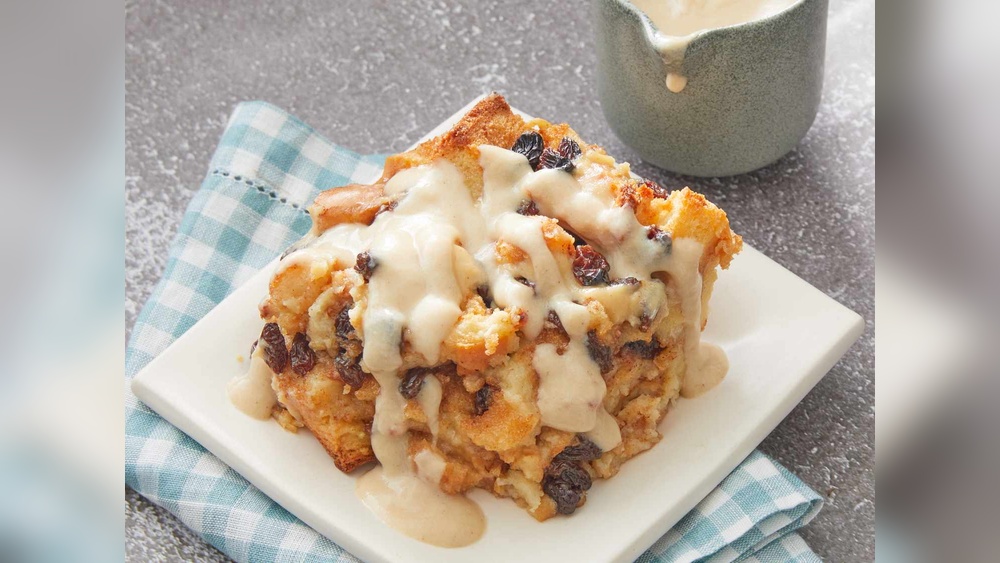
Sometimes, you just want a sweet finish for your breakfast or dessert, but you don’t have the time or energy for complicated baking. Maybe you get a sudden craving for something special, but you’re not ready to spend an hour making a cake. Or maybe you’re hosting friends and want to impress with a homemade touch—without stress. That’s where a simple, creamy vanilla sauce comes in. In this guide, you’ll find two easy vanilla sauce recipes anyone can make, even on a busy day. Both are rich, smooth, and ready in minutes. Let’s add a little luxury to your pancakes, fruit, or cake—with hardly any effort.
Vanilla sauce is often a secret most home cooks miss. It’s not just an extra—it’s the thing that takes a simple dish and makes it unforgettable. Imagine a bowl of fresh strawberries, a slice of pound cake, or a stack of pancakes.
Add a spoonful of vanilla sauce, and suddenly, it feels like something from a fancy café. You get a soft, sweet flavor that works with almost anything and makes every bite a little more special.
Maybe you’ve seen vanilla sauce in bakeries or restaurants and thought it was hard to make. The truth is, if you can heat milk and whisk a few ingredients, you’re already halfway there. This guide is all about making that magic easy and stress-free for everyone—even if you’re a total beginner.
You’ll learn not only how to make vanilla sauce, but how to avoid problems, store it for later, and use it in creative ways.
Why Vanilla Sauce Is Your Secret Weapon
Vanilla sauce is an instant upgrade for any dessert or breakfast. You don’t need to be a chef or own special equipment. Anyone can whisk up these recipes in under 15 minutes. Here’s why they’re perfect for you:
- Fast: Both sauces are ready in 10–15 minutes. You can make them while your dessert cools or even while your family is setting the table.
- Simple: Only basic steps—no advanced cooking skills. If you can stir, you can make vanilla sauce.
- Budget-friendly: Uses ingredients most people already have. No expensive cream or rare spices.
- Few ingredients: Each recipe needs 6 or fewer items. You won’t be hunting for anything strange at the store.
- Versatile: Tastes great on everything from fruit to brownies. Try it on pancakes, crepes, bread pudding, or even your morning oatmeal for a touch of sweetness.
- No fancy tools: Just a pot, whisk, and spoon. No mixer, blender, or thermometer needed.
A lot of people think vanilla sauce is only for desserts, but it’s great for breakfast too. Have leftover sauce? Pour it over French toast or swirl a spoonful into your yogurt. Kids love it on waffles, and adults enjoy it drizzled over berries or a slice of simple cake.
The gentle vanilla flavor matches with chocolate, fruit, nuts, and baked goods. It’s a true all-rounder.
Classic Creamy Vanilla Sauce Recipe
If you want a traditional, silky vanilla sauce that tastes like it came from a French bakery, this is your go-to. It’s soft, smooth, and has a deep vanilla flavor that pairs with almost anything—think bread pudding, apple pie, or pancakes.
Serves: 6
🍫 Ingredients:
- 1 cup whole milk
- 1/2 cup heavy cream
- 1/3 cup white sugar
- 2 egg yolks
- 1 tablespoon cornstarch
- 2 teaspoons pure vanilla extract
- Pinch of salt
🥣 Steps:
- In a medium saucepan, mix milk, cream, and half the sugar. Heat over medium until just steaming, but not boiling. (This helps dissolve the sugar and infuses the milk with a creamy taste.)
- In a bowl, whisk egg yolks, remaining sugar, and cornstarch until smooth. (The sugar helps break up the yolks and the cornstarch prevents lumps.)
- Pour a little hot milk mixture into the egg yolks, whisking quickly. This warms the eggs so they don’t scramble. (This step is called “tempering”—it’s the key to a smooth, custard-like sauce.)
- Pour the warmed egg yolk mix back into the saucepan. (Pour slowly and keep whisking to avoid lumps.)
- Cook over low heat, stirring constantly, until the sauce thickens—about 3–4 minutes. Do not boil. (The sauce should gently thicken and coat your spoon. If you see bubbles, remove it from the heat immediately.)
- Remove from heat. Stir in vanilla extract and salt. (The vanilla gives aroma and flavor, the salt balances the sweetness.)
- Strain through a fine sieve for a perfectly smooth sauce (optional). (This removes any small bits of cooked egg or lumps—professional pastry chefs never skip this.)
- Serve warm, or let cool for a thicker sauce.
Why you’ll love it: This sauce is creamy, classic, and makes any dessert feel special. It’s not too sweet, so it works with both rich chocolate cakes and lighter fruit dishes.
Beginner insight: Many people think the sauce isn’t thick enough right after cooking. Remember, vanilla sauce thickens as it cools. Don’t overcook it waiting for a pudding-like texture in the pot, or it may turn lumpy.
Serving ideas: Try this on baked apples, bread pudding, or pound cake. For a breakfast treat, pour it over warm crepes or French toast. It also works as a dip for strawberries or sliced bananas.
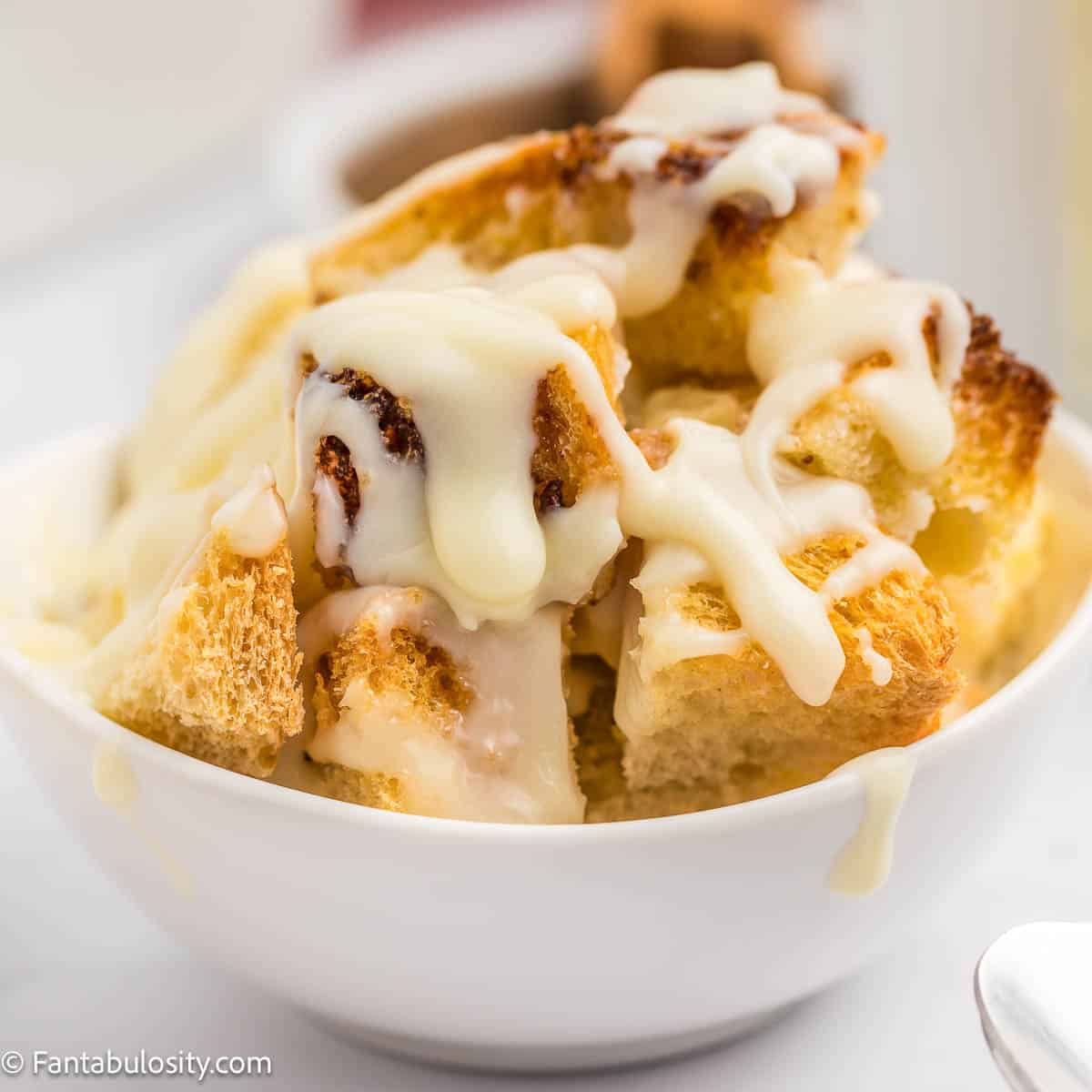
Credit: fantabulosity.com
Quick Vanilla Sauce With No Eggs
Need a shortcut? This eggless vanilla sauce is for busy nights or if you’re out of eggs. It’s just as smooth, but even easier—perfect if you want a lighter, quick topping for waffles, baked fruit, or ice cream.
Serves: 5
🍫 Ingredients:
- 1 cup whole milk
- 2 tablespoons cornstarch
- 1/3 cup white sugar
- 2 tablespoons butter
- 2 teaspoons vanilla extract
- Pinch of salt
🥣 Steps:
- In a small pot, whisk milk and cornstarch until smooth—no lumps. (Starting cold prevents the cornstarch from clumping.)
- Add sugar and salt. Place over medium heat.
- Stir constantly as it thickens, about 3–5 minutes. (Cornstarch thickens quickly and can burn on the bottom if not stirred.)
- When the sauce starts to bubble and coats the spoon, remove from heat. (The sauce should look glossy and smooth.)
- Stir in butter and vanilla until melted and smooth. (Butter adds shine and richness; vanilla gives the classic aroma.)
- Pour over your favorite dessert, or let cool for a thicker texture.
Why you’ll love it: Egg-free, super fast, and always silky—no one can tell it’s so simple. Great for people with egg allergies, or when you want a lighter, easier topping.
Beginner insight: If your sauce turns out lumpy, don’t worry. Just pass it through a sieve while it’s hot, and it will be smooth again.
Serving ideas: This sauce is perfect for drizzling over pancakes, waffles, or hot brownies. It also makes a quick dip for cookies or fresh fruit. Try mixing a spoonful into your morning coffee for a sweet twist.
Common Mistakes To Avoid When Making Vanilla Sauce
Even the easiest recipes can go wrong if you don’t watch a few details. Here are the most common mistakes—and how to avoid them:
- Don’t let the sauce boil. Boiling makes egg-based sauces curdle, and thickens cornstarch sauces too much. Always use medium to low heat.
- Avoid adding all the hot milk to eggs at once. This can cook the eggs too fast and create lumps. Tempering is key for a smooth sauce.
- Don’t stop stirring. Sauces need constant movement to stay smooth and prevent sticking. A silicone spatula or wooden spoon helps scrape the bottom.
- Don’t skip the straining step if you want a perfect texture. Even skilled cooks sometimes get small lumps.
- Avoid using imitation vanilla—the flavor isn’t as rich or natural. Pure vanilla extract or real vanilla beans make a huge difference.
- Don’t walk away from the stove. These sauces thicken fast and can burn easily. Stay close until you’re done.
- Don’t use old cornstarch. If your thickener is too old, the sauce may not set properly. Always check the date.
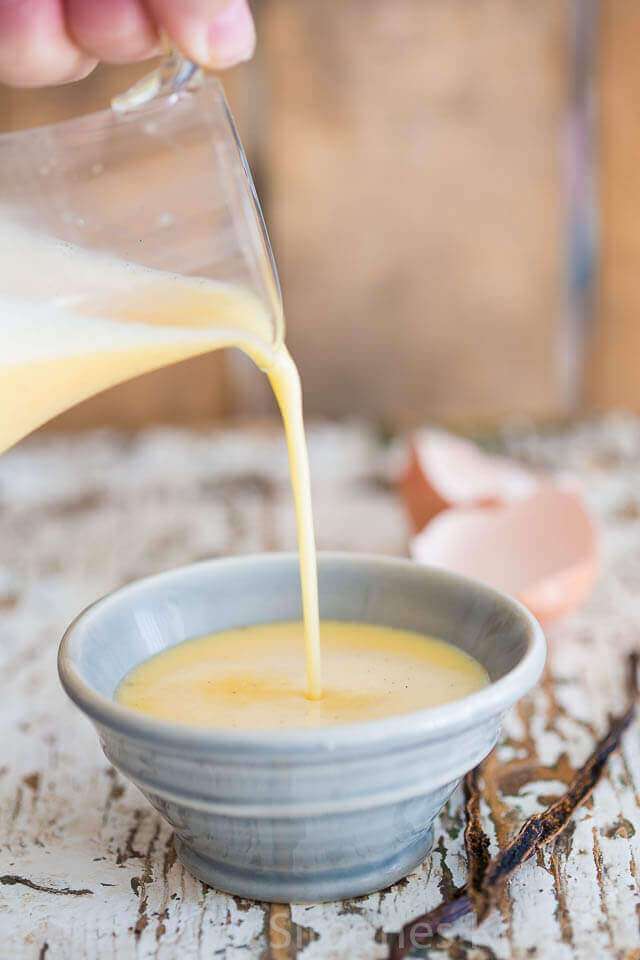
Credit: insimoneskitchen.com
Storing, Reheating, And Reusing Your Vanilla Sauce
Vanilla sauce is best fresh, but you can make it ahead and store it for later. Here’s how to keep it safe and tasty:
- Fridge: Store in a sealed container for up to 4 days. Place plastic wrap directly on the surface to prevent a skin from forming. Glass containers work best because they don’t hold smells.
- Reheating: Warm gently in a saucepan over low heat. Add a splash of milk if it’s too thick. Stir constantly to keep it smooth.
- Freezing: Not recommended. The sauce can separate when thawed. If you must freeze, whisk well after defrosting to try and bring it back together.
- Reusing: If your sauce thickens too much in the fridge, whisk in a little milk until smooth. You can also reheat in the microwave in short bursts, stirring every 10 seconds.
- Creative uses: Drizzle over French toast, stir into coffee, or use as a dip for fresh fruit. Leftover sauce is great over baked oatmeal, or as a sweet topping for rice pudding.
Shelf Life And Storage Comparison
Here’s a quick look at how long each sauce lasts and the best way to store them:
| Recipe | Fridge Life | Reheat Method | Best Use |
|---|---|---|---|
| Classic Creamy Vanilla Sauce | Up to 4 days | Low heat, whisk gently | Cakes, bread pudding |
| Quick No-Egg Vanilla Sauce | Up to 3 days | Low heat, add milk if thick | Pancakes, waffles, fruit |
Quick Tips And Shortcuts For Perfect Vanilla Sauce
Want to make your sauce even easier, or need to swap an ingredient? Try these tips:
- Use vanilla bean paste for stronger flavor (1: 1 swap for extract). It’s less expensive than whole beans but gives real vanilla taste and those pretty black specks.
- If you run out of milk, half-and-half or even unsweetened soy milk works. Coconut milk gives an exotic flavor, but use less sugar.
- For a gluten-free sauce, stick to cornstarch as your thickener. Some recipes use flour—cornstarch is safer and gives a clearer sauce.
- Add a pinch of cinnamon or nutmeg for a warm twist. This is especially good for holiday desserts or apple-based dishes.
- To make sauce in advance, cool completely before storing. This prevents condensation inside your container.
- Whisk sauce just before serving to bring back the smooth texture. Even if it thickens, a quick stir makes it silky again.
- For a sugar-free version, use your favorite sweetener, but start with half the amount and taste as you go.
Ingredient Swap Cheat Sheet
If you’re missing an ingredient, check this swap guide:
| Original Ingredient | Swap Option | Result |
|---|---|---|
| Whole milk | Oat milk, soy milk | Dairy-free, lighter taste |
| Heavy cream | Half-and-half | Slightly less rich |
| Cornstarch | Potato starch | Same thickening, mild flavor |
| Butter | Margarine, vegan butter | Dairy-free option |
Extra ideas: If you want a lemony vanilla sauce, add the zest of half a lemon while heating the milk, then strain it out before serving. For a chocolate version, whisk in 2 tablespoons of cocoa powder with the sugar.
Why These Two Vanilla Sauce Recipes Are All You Need
These two recipes cover almost every situation. The classic recipe is ideal for special occasions, rich desserts, or when you want a luxurious touch. The quick eggless version is perfect for busy mornings, vegan guests, or when you’re low on supplies.
Both sauces freeze well, reheat easily, and taste homemade—because they are.
You don’t need to memorize lots of recipes. Learn these two, and you can handle almost any dessert or breakfast. They’re flexible, forgiving, and can be flavored in endless ways—try adding espresso powder, a splash of rum, or a hint of orange extract for something different.
Extra guidance: If you want to impress guests, serve your sauce in a small pitcher or drizzle it over desserts just before serving. It adds a professional touch and shows you care about details.
Frequently Asked Questions
How Do I Know When My Vanilla Sauce Is Thick Enough?
The sauce should coat the back of a spoon. If you draw your finger through it, the line should stay clear. For the cornstarch version, a gentle boil for 1 minute is enough. For the egg version, don’t let it boil—just heat until thickened.
Can I Make Vanilla Sauce Ahead Of Time?
Yes, you can prepare vanilla sauce up to 4 days in advance. Keep it in an airtight container in the fridge. Reheat gently and whisk before serving.
Extra advice: If you’re making sauce for a party or brunch, make it the night before and store with plastic wrap touching the surface.
What’s The Difference Between Vanilla Sauce And Custard?
Vanilla sauce is usually thinner than custard. Custard often uses more eggs and can be baked. Vanilla sauce is meant for pouring and is silkier.
Fun fact: In some countries, vanilla sauce is called “crème anglaise,” and it’s a classic topping for many desserts.
Can I Use Vanilla Sauce For Savory Dishes?
It’s best for sweet foods. The sugar and vanilla don’t pair well with savory flavors. For savory cream sauces, skip the sugar and vanilla.
Tip: If you want a sauce for vegetables or meat, look for recipes for béchamel or white sauce instead.
Where Can I Learn More About Vanilla And Its Uses?
If you want to dive deeper into the history and science of vanilla, visit this Wikipedia page for more details.
When you need a simple way to make any meal feel special, these two vanilla sauce recipes are your quick fix. Pin this guide for easy access, and the next time you want a touch of sweetness, you’ll be ready. Which dessert will you try them on first?

Credit: fantabulosity.com