

You get home tired, hungry, or maybe just lazy. You want something tasty, but the store-bought ketchup in your fridge is bland, full of sugar, or almost empty. Maybe you want a dip for your fries, but you can’t face another trip to the store. If this sounds familiar, you’re not alone. Many of us crave that rich, tangy flavor of homemade ketchup—something fresher, healthier, and more exciting. The good news? Making ketchup at home is easier than you think, even if you’re busy or don’t cook much. In this guide, you’ll discover two easy homemade ketchup recipes that anyone can whip up in minutes, plus pro tips, common mistakes, and storage hacks.
Ketchup is a classic. It goes on burgers, fries, sandwiches, and more. Some people even add it to eggs or use it as a base for other sauces. But the ketchup you buy in the store is not always the best.
Many brands add a lot of sugar, corn syrup, or artificial ingredients. The taste can be flat and boring. When you make ketchup at home, you get to pick what goes inside. You can keep it simple or make it fancy, depending on your mood and what you have in the kitchen.
Homemade ketchup also lets you experiment. You can make it sweeter or tangier, add a smoky flavor, or give it a spicy kick. The recipes in this guide are flexible, so you can change things up and make the ketchup your own.
The first recipe is a classic style, made with pantry ingredients and a quick simmer. The second is a no-cook version—just mix and go! You’ll also learn how to store your ketchup, what mistakes to avoid, and how to use leftover ketchup in creative ways.
By the end, you’ll see why more people are skipping the store and making their own ketchup at home. It’s fast, fun, and much more delicious. Let’s get started.
Why Make Your Own Ketchup? (quick Value)
Making ketchup from scratch isn’t just about taste. It’s about control, savings, and fun. Here’s why you’ll love these homemade ketchup recipes:
- Super fast: Most recipes are ready in 5–15 minutes.
- Simple steps: No special skills or tools needed.
- Budget-friendly: Cheaper than most store brands.
- Healthier: Less sugar, no weird preservatives.
- Few ingredients: You probably have everything at home.
- Customizable: Adjust to your taste—spicy, sweet, smoky, or mild.
Let’s dig deeper into why homemade ketchup is worth your time.
1. You Control the Ingredients
When you make ketchup at home, you decide what goes into it. You can avoid unwanted additives, extra sugar, or too much salt. For example, many store ketchups use high-fructose corn syrup or artificial coloring. Homemade ketchup needs only natural ingredients.
If you want to make it even healthier, you can use organic tomato paste or fresh tomatoes.
2. Save Money
Buying ketchup over and over adds up, especially if you use it often. Homemade ketchup uses common items like tomato paste, vinegar, and spices. These are usually cheaper in bulk, and you’ll probably already have them. For the price of one store bottle, you can make several batches at home.
3. Fresh Flavor
Store-bought ketchup sits on shelves for months. Homemade ketchup is fresh and vibrant. The difference in taste is clear—homemade ketchup is richer, more complex, and lively. If you’ve never tried it, you’ll be surprised by how much better it is.
4. Easy to Customize
Do you like your ketchup sweeter, or with a little heat? Maybe you want a smoky or herby twist. When you make your own, you can adjust the flavor every time. Add a pinch of chili powder for spice, or smoked paprika for depth.
You can even make a batch for kids (mild and sweet) and one for adults (spicy or tangy).
5. Dietary Needs
If you need a ketchup with no sugar, or that’s gluten-free, you’re in control. You can use honey, agave, or even a sugar substitute if you like. It’s easy to make ketchup vegan or low-carb at home.
6. Less Waste
Ever thrown away a half-used ketchup bottle because it expired? With homemade ketchup, you can make just enough for your needs. It’s also a great way to use up leftover tomato paste or puree.
7. Fun Activity
Making ketchup is a quick kitchen project. Kids can help measure and stir. It’s also a simple way to start learning about homemade condiments and basic cooking.
Beginner Insight: Many people think ketchup is hard to make, but it’s actually one of the simplest sauces. No special equipment is needed—just a bowl and a pot (for the classic version). Once you try it, you’ll wonder why you ever bought ketchup at the store.
Classic Homemade Ketchup Recipe (everyday Pantry Style)
There’s something comforting about a classic ketchup—smooth, tangy, and just a bit sweet. This version uses pantry staples, so you never have to run to the store.
🍫 Ingredients:
- 1 can (400g/14oz) tomato paste
- 1/2 cup water
- 1/4 cup apple cider vinegar (or white vinegar)
- 1/4 cup brown sugar
- 1 tsp salt
- 1/2 tsp garlic powder
- 1/2 tsp onion powder
- 1/4 tsp ground allspice (optional)
- Pinch of ground cloves (optional)
- Pinch of black pepper
Ingredient Details and Swaps:
- Tomato paste: This gives ketchup its thick, rich base. If you prefer a lighter ketchup, you can use tomato puree, but you may need to simmer longer to thicken it.
- Vinegar: Apple cider vinegar is a bit sweeter and fruitier than white vinegar. White vinegar makes the ketchup more sharp and classic. You can try red wine vinegar for a gourmet touch, but start with less.
- Brown sugar: This adds sweetness and a slight molasses flavor. You can use white sugar, honey, or maple syrup if you prefer.
- Spices: The allspice and cloves give a warm, complex background. If you don’t have them, just skip, but they add an old-fashioned flavor.
🥣 Steps:
- In a medium saucepan, mix together the tomato paste and water until smooth.
- Stir in vinegar, brown sugar, salt, garlic powder, onion powder, allspice, cloves, and black pepper.
- Place over medium heat. Bring to a gentle simmer, stirring often.
- Simmer uncovered for 10 minutes, stirring occasionally, until thick and glossy.
- Taste and adjust seasoning—add more sugar for sweetness, or vinegar for tang.
- Let cool, then pour into a clean jar or bottle.
Cooking Tips:
- Stir often to prevent sticking. Tomato paste can burn if left alone.
- If the ketchup seems too thick, add a splash of water.
- If it’s too tangy, add a bit more sugar or a small splash of water.
- Want a smoother ketchup? Blend with a hand blender or regular blender before cooling. This step is especially helpful if you want a ketchup that pours smoothly from a bottle.
Why you’ll love it: Perfect balance of tangy and sweet, with a classic flavor.
Real-World Example: One parent tried this recipe for their kids, who usually only ate the big-name ketchup brands. The kids liked the homemade version better and even asked for it with their chicken nuggets. It’s a hit with adults, too, especially when you adjust the spices to match your taste.

Credit: littlenomadsrecipes.com
Quick No-cook Ketchup (5-minute Miracle)
Short on time? This no-cook ketchup recipe is ready in just five minutes. It’s ideal for busy nights, lazy weekends, or when you want fresh dip instantly.
🍫 Ingredients:
- 1 cup tomato puree (passata or blended canned tomatoes)
- 2 tbsp apple cider vinegar
- 2 tbsp honey or maple syrup
- 1/2 tsp salt
- 1/2 tsp onion powder
- 1/4 tsp smoked paprika (optional)
- Pinch of cayenne pepper (optional)
Ingredient Notes:
- Tomato puree: Passata is smooth, uncooked tomato sauce. If you use blended canned tomatoes, strain out seeds and skins for a smooth finish.
- Honey/Maple syrup: These give a natural sweetness. Maple syrup adds a slight caramel flavor. For vegan ketchup, stick to maple syrup or agave.
- Smoked paprika: Adds a BBQ-like smokiness. For extra heat, increase cayenne pepper or add a dash of hot sauce.
🥣 Steps:
- In a bowl, whisk together tomato puree, vinegar, honey, salt, onion powder, smoked paprika, and cayenne until smooth.
- Taste and adjust: More honey for sweetness, more vinegar for tang, or more paprika for smokiness.
- Pour into a jar or bowl. Use right away or chill for thicker texture.
Why you’ll love it: No cooking, no mess, just pure tomato flavor in minutes.
Practical Example: Imagine you have friends over for a movie, and you run out of ketchup. Instead of running to the store, you can make this no-cook version in less time than it takes to heat the popcorn. It’s also great for picnics, camping, or when the stove is busy.
Extra Idea: Add a teaspoon of Dijon mustard for a tangy twist, or a bit of Worcestershire sauce for depth (check if it’s vegetarian if that matters to you).
Common Mistakes When Making Homemade Ketchup
Even simple recipes can go wrong if you’re not careful. Here’s what to avoid:
- Don’t skip stirring: Unmixed ketchup can burn or develop lumps.
- Avoid using low-quality or old tomato products: Freshness matters for flavor.
- Don’t overcook: Cooking too long makes ketchup too thick or bitter.
- Avoid too much vinegar: Overpowering acidity ruins the taste.
- Don’t forget to cool before storing: Warm ketchup can spoil faster.
- Avoid under-seasoning: Homemade ketchup needs strong, clear flavors.
More Detail and Fixes:
- Burning on the Pan: Tomato paste is thick and can stick easily, especially if your saucepan is thin. Always use low to medium heat and stir often. If it starts to stick, add a splash of water and lower the heat.
- Old Tomato Products: Tomato paste or puree that’s been open too long can taste metallic or sour. Always check the smell and color before using. Good ketchup starts with good tomatoes.
- Texture Issues: If your ketchup is lumpy, you may not have whisked enough. For classic ketchup, blend before cooling. For no-cook, press through a fine sieve if you want extra-smooth sauce.
- Bitter or Too Tangy Ketchup: Too much vinegar or overcooked spices can make ketchup taste odd. Always add vinegar in stages, tasting as you go. If you overdo the vinegar, add a bit more sugar or a spoonful of tomato paste.
- Weak Flavor: Homemade ketchup can taste flat if you don’t use enough salt, sugar, or spices. Don’t be afraid to season boldly—tomato products need strong flavors to shine.
- Spoilage: Never pour hot ketchup into a plastic container, as this can cause off-flavors or even melting. Use glass jars, and let ketchup cool before sealing and storing.
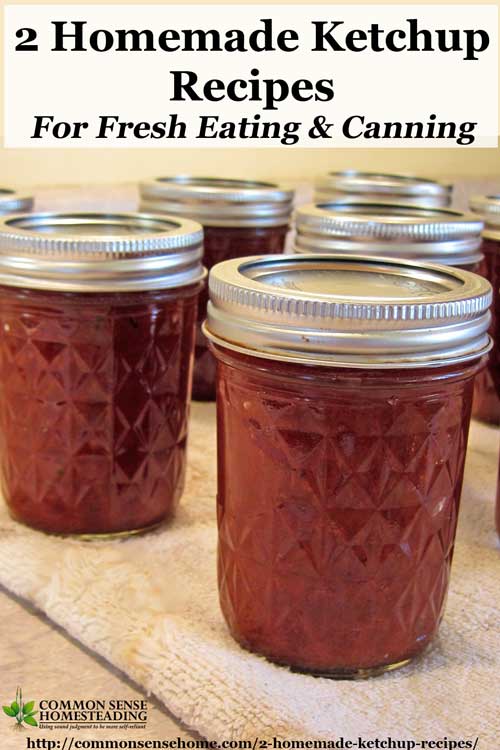
Credit: commonsensehome.com
Storage And Reuse Ideas
Homemade ketchup is fresh, but how do you keep it tasty and safe?
- Fridge life: Store in a clean, airtight jar for up to 3 weeks.
- Freezing: Pour into small containers and freeze for up to 3 months.
- Reheating: Gently warm on the stove or microwave if you want it hot.
- Reuse ideas: Stir into pasta sauce, spread on burgers, mix with mayo for a quick dip, or use as a pizza base.
Keeping homemade ketchup fresh is easy if you follow a few rules:
- Always use a clean spoon—never dip food or dirty utensils into the jar. This keeps bacteria away.
- Label your jars with the date you made the ketchup. That way, you know when to use or toss it.
- For freezing, use ice cube trays. Once frozen, pop cubes into a bag. You can thaw just as much as you need for a meal.
Creative Ways to Use Leftover Ketchup:
- BBQ Sauce Shortcut: Mix ketchup with a bit of brown sugar, soy sauce, and chili powder for a fast BBQ glaze.
- Tomato Soup Base: Blend ketchup with water or broth, add cooked vegetables, and simmer for a quick tomato soup.
- Marinade: Use ketchup as a base for marinades for chicken or tofu. Add garlic, ginger, and a splash of soy sauce.
- Salad Dressing: Whisk ketchup with olive oil, vinegar, and a dash of black pepper for a tangy dressing.
- Eggs and Stir-Fries: A spoonful of ketchup adds sweetness and color to scrambled eggs, stir-fries, or fried rice.
Extra Storage Insight: Glass jars are best for homemade ketchup, as plastic can absorb color and odor. If using plastic, choose food-safe, BPA-free containers and avoid pouring ketchup while hot.
| Storage Method | Duration | Best Use |
|---|---|---|
| Fridge | 2–3 weeks | Daily dipping, spreading |
| Freezer | Up to 3 months | Batch prep, sauces |
| Room Temp | 1–2 days (max) | Picnics, on-the-go |
Quick Tips For Perfect Homemade Ketchup
- Use tomato paste for richer flavor, or puree for lighter taste.
- Swap honey for maple syrup or agave for vegan options.
- Add a pinch of cinnamon or nutmeg for warmth.
- For spicy ketchup, mix in a dash of hot sauce or chili powder.
- Make it smoky: Add liquid smoke or smoked paprika.
- If ketchup is too thick, whisk in a little water.
More Tips and Tricks:
- For Kids: Make ketchup a little sweeter and milder by increasing sugar and reducing vinegar. Some kids love a pinch of cinnamon in their ketchup for a unique flavor.
- Batch Cooking: Double or triple the recipe and freeze in small portions. This saves time and ensures you always have fresh ketchup.
- Texture: For chunkier ketchup, skip blending. For ultra-smooth, pass through a fine sieve or cheesecloth.
- Color: To keep ketchup bright red, don’t overcook and always store in a dark place. Sunlight can fade homemade sauces.
- Flavor Depth: For a deeper taste, add a teaspoon of molasses or soy sauce. This works especially well if you like a savory ketchup.
- Allergies: If you need to avoid certain ingredients, homemade ketchup can be adapted—leave out spices, use alternative sweeteners, or swap vinegars.
Insight: Many people don’t realize you can make ketchup with roasted tomatoes for a smoky, sweet flavor. Just roast halved tomatoes with olive oil, then blend and simmer with the other ingredients.
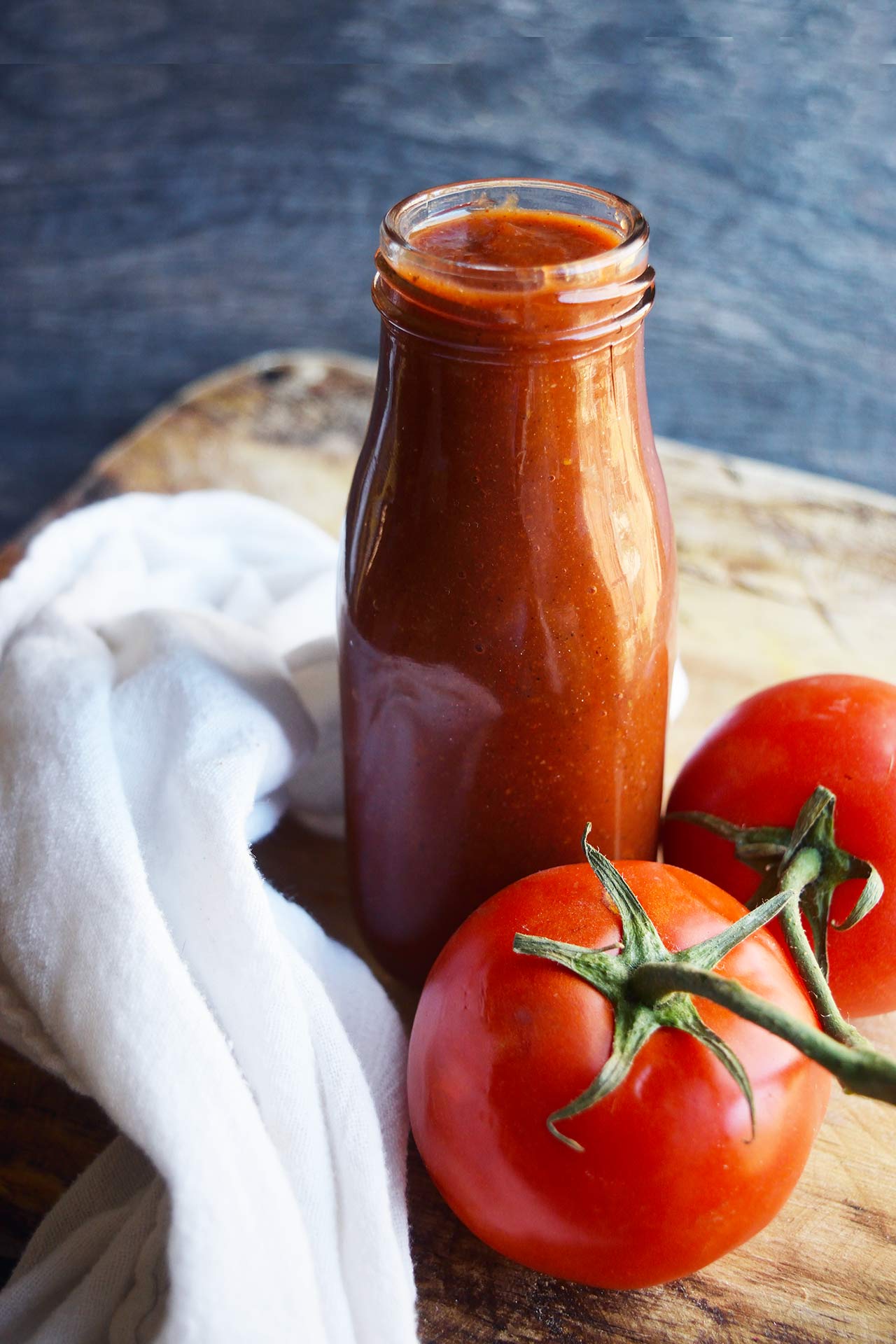
Credit: www.thegraciouspantry.com
Frequently Asked Questions
How Long Does Homemade Ketchup Last In The Fridge?
Homemade ketchup, if stored in a clean, airtight jar, stays fresh for up to three weeks in the fridge. Always use a clean spoon to avoid contamination and check for signs of spoilage before using.
Can I Use Fresh Tomatoes Instead Of Canned Or Paste?
Yes, you can use fresh tomatoes for homemade ketchup. Chop them, cook until soft, then blend and strain to remove seeds and skin. Simmer with other ingredients as in the classic recipe. It takes more time but gives a fresh, bright flavor.
How-To Example: Use about 1 kg (2 lbs) fresh tomatoes. Blanch to remove skins, chop, then cook down in a saucepan until reduced by half. Blend smooth and continue with the recipe. You may need to add a bit more sugar or vinegar since fresh tomatoes are less concentrated.
Is Homemade Ketchup Healthier Than Store-bought?
Usually, yes. Homemade ketchup often has less sugar and salt and no preservatives or artificial colors. You control the ingredients, so it’s easier to match your dietary needs. For more on ketchup nutrition, see this Wikipedia article.
Can I Make Ketchup Without Sugar?
You can skip sugar or use alternatives like honey, agave, or stevia. The taste will change—less sweet and more tangy. Adjust vinegar and spices to get the right balance.
Practical Example: Diabetics or people on low-carb diets often use stevia or erythritol. Start with a small amount—these sweeteners are stronger than sugar.
What Can I Do If My Ketchup Is Too Runny Or Too Thick?
If too runny, simmer longer to reduce liquid. If too thick, add a splash of water or vinegar and stir well. Always adjust seasoning after changing the thickness.
Can I Can Or Bottle Homemade Ketchup For Long-term Storage?
You can, but it requires sterilizing bottles and using enough vinegar or acid for safety. Home canning is a bit more advanced and not covered in this quick guide, but many people do it to stock up for months. Always follow safe canning guidelines if you try this.
—
Making your own ketchup means you’re never stuck with boring, bland sauces again. These two homemade ketchup recipes are fast, simple, and easy to customize. Want to save these recipes for later? Pin this article on Pinterest for quick reference! Have you tried making ketchup at home? Share your favorite twist or tip in the comments below!
Homemade ketchup is a small change that makes a big difference in your meals. Whether you’re a busy parent, a student on a budget, or just want better flavor, try these recipes and see how easy it is. Once you taste fresh ketchup, you may never go back to store-bought again.