
Meta Description:
Discover 3 easy cucumber pickle recipes that are quick, budget-friendly, and require just a few ingredients. Perfect for busy days and guaranteed to satisfy snack cravings.
If you’re always on the go, feeling too lazy to cook, or just need a fast snack, you’re not alone. Many people crave something crunchy, tangy, and homemade—but they don’t have hours to spend in the kitchen. That’s where cucumber pickle recipes come in: these pickles are simple, fast, and require very little effort. With just a few basic ingredients, you can make delicious pickles that will brighten up any meal or snack time. In this guide, you’ll find three different ways to make cucumber pickles—each one easy enough for any busy or tired day. You’ll also learn tips, tricks, and creative ways to use your pickles so nothing goes to waste. Let’s dive in and solve your snack problem with crunch!
Why You’ll Love These Cucumber Pickle Recipes
These recipes are designed for real life—quick, easy, and satisfying. Here’s why they’re a perfect choice:
- Ready in minutes or hours (not days)
- Use simple kitchen staples you already have
- Low-cost—save money by making your own
- Only a few ingredients per recipe
- No fancy tools required
- Tastes fresh and homemade, every time
There’s another big reason: flexibility. You don’t need to follow these recipes exactly. If you’re missing an ingredient, you can often swap it for something similar, or just leave it out. For example, if you don’t have mustard seeds, use extra peppercorns, or add a pinch of coriander seeds for a little citrus note. These pickles are very forgiving—perfect for busy or tired cooks who don’t want to stress over details.
Making your own pickles also lets you adjust the flavors to your liking. Want more garlic? Add a few extra cloves. Like things sweeter? Increase the sugar. If you want extra heat, just add more chili flakes. You’re in control, and that’s part of the fun.
Plus, homemade pickles are often healthier. Store-bought versions sometimes have preservatives, food coloring, or too much sugar and salt. When you make them yourself, you know exactly what’s in your jar.
Classic Quick Cucumber Pickles (no-fuss Fridge Style)
There’s something comforting about the classic cucumber pickle—crisp, sour, and just a bit sweet. This is the kind you can make in the morning and eat by dinner. No canning, no boiling. Just toss everything in a jar and let your fridge do the work. Perfect for sandwiches, salads, or a quick snack straight from the jar.
🍫 Ingredients:
- 2 medium cucumbers (sliced thin)
- 1/2 small onion (sliced, optional)
- 1 cup white vinegar
- 1/2 cup water
- 2 tablespoons sugar
- 1 tablespoon salt
- 1/2 teaspoon mustard seeds
- 1/2 teaspoon black peppercorns
- 2 sprigs fresh dill (or 1/2 tsp dried)
🥣 Steps:
- Slice cucumbers (and onion, if using) very thin.
- In a small saucepan, combine vinegar, water, sugar, and salt. Heat just until sugar dissolves. Let cool a few minutes.
- Pack cucumber slices, onion, mustard seeds, peppercorns, and dill tightly into a clean jar.
- Pour the warm vinegar mixture over the cucumbers. Make sure everything is covered.
- Seal with a lid and chill in the fridge at least 1 hour before eating (best after 4–6 hours).
Why you’ll love it:
It’s the fastest way to get that classic pickle taste with almost no work.
More Details And Ideas
You can add a few thin slices of garlic for a sharper flavor, or swap white vinegar for apple cider vinegar for a milder, fruity taste. If you want a touch of heat, toss in a sliced green chili or a pinch of chili flakes.
Some people like to add a small piece of bay leaf or a few coriander seeds for a more complex flavor.
This basic method works for other vegetables, too. Try adding sliced carrots, radishes, or even green beans to the jar for a colorful, mixed pickle.
A common mistake is not packing the jar tightly enough. If you leave too much space, the cucumbers float and don’t absorb flavor evenly. Press them down gently, but don’t crush them. Pour enough brine to cover everything. If you run short, just mix a little more vinegar and water in the same ratio.
Remember, these pickles are not for canning or long-term storage. Always keep them cold, and use within a couple of weeks for best crunch.

Credit: www.youtube.com
Spicy Asian-inspired Cucumber Pickles
If you like a bit of heat and sweet in your snack, these spicy Asian cucumber pickles deliver. They’re crunchy, tangy, and have a chili kick that makes them addictive. These pickles go great with rice bowls, grilled meats, or just as a spicy side.
🍫 Ingredients:
- 2 small cucumbers (Persian or English)
- 1 tablespoon salt
- 2 tablespoons rice vinegar
- 1 tablespoon sugar
- 1 teaspoon soy sauce
- 1 teaspoon sesame oil
- 1 clove garlic (minced)
- 1/2 teaspoon crushed red pepper (or chili flakes)
- 1 teaspoon toasted sesame seeds (optional)
🥣 Steps:
- Slice cucumbers thin. Toss with salt in a bowl. Let sit 10 minutes, then drain and pat dry.
- In another bowl, mix vinegar, sugar, soy sauce, sesame oil, garlic, and chili flakes.
- Add drained cucumbers to the dressing. Toss well to coat.
- Sprinkle with sesame seeds (if using). Chill in the fridge at least 30 minutes before serving.
Why you’ll love it:
It’s a spicy, crunchy snack with a flavor twist that wakes up any meal.
More Details And Ideas
This recipe is inspired by Korean and Japanese quick pickles, but it’s flexible. You can add thin slices of carrot, daikon radish, or even bell pepper for color and texture. If you like a sweeter pickle, add a bit more sugar.
For extra punch, grate in a little fresh ginger or sprinkle with a dash of rice wine.
The salt soak is more important here than in other recipes. Asian cucumbers have a lot of water, and removing it keeps your pickles crisp and prevents the dressing from becoming watery.
If you want a milder pickle, reduce the chili flakes or leave them out. For more fire, add a slice of fresh chili or a dash of Sriracha.
Serving ideas: These pickles are great on top of a bowl of steamed rice or noodles. Try them as a side with grilled chicken, beef, or tofu. They add crunch and brightness to any meal.
For extra flavor, toast your sesame seeds in a dry pan for 1–2 minutes before adding. This brings out their nutty aroma.
Sweet Bread-and-butter Cucumber Pickles
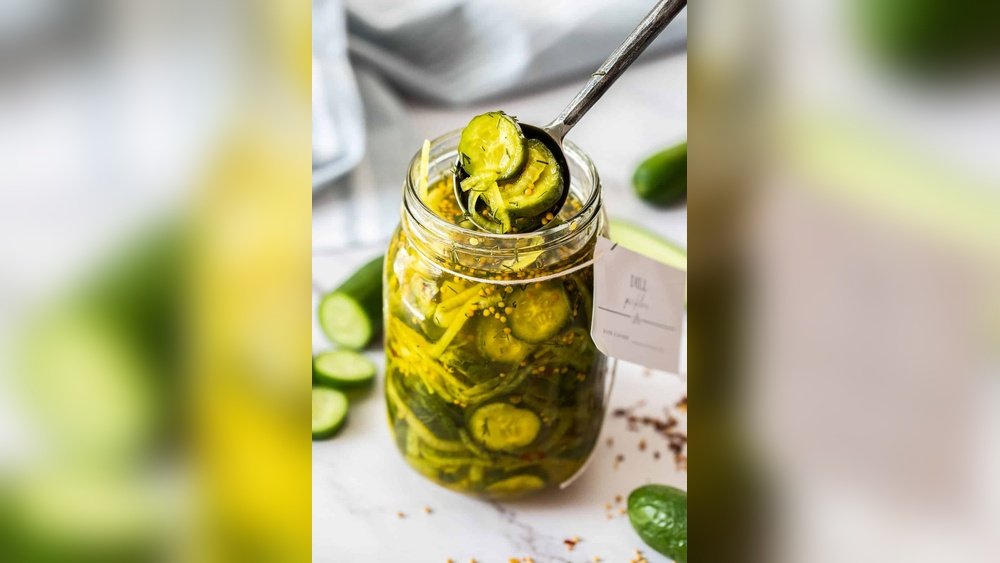
These bread-and-butter pickles are the sweet, tangy kind you find on burgers or barbecue plates. They’re easy to make at home and much fresher than store-bought. No special canning skills needed—just mix, chill, and enjoy.
🍫 Ingredients:
- 2–3 small cucumbers (sliced into rounds)
- 1/2 small onion (thinly sliced)
- 1 cup apple cider vinegar
- 1/2 cup sugar
- 1 tablespoon salt
- 1/2 teaspoon mustard seeds
- 1/2 teaspoon celery seeds
- 1/4 teaspoon turmeric (for color and flavor)
🥣 Steps:
- Slice cucumbers and onion. Place in a bowl. Sprinkle with salt and let sit 15 minutes, then rinse and drain.
- In a saucepan, combine vinegar, sugar, mustard seeds, celery seeds, and turmeric. Heat until sugar dissolves, then let cool a few minutes.
- Pack cucumbers and onion into a jar.
- Pour cooled vinegar mixture over. Make sure everything is submerged.
- Cover and chill in the fridge at least 2 hours (best after 24 hours).
Why you’ll love it:
It’s the perfect balance of sweet and tangy—great for burgers or eating straight from the jar.
More Details And Ideas
Bread-and-butter pickles are a classic in American kitchens. The combination of sweet and tart is comforting and nostalgic. The turmeric gives them a sunny yellow color and a gentle earthy note.
You can adjust the sweetness by changing the amount of sugar. Some people even add a little maple syrup or honey for a richer taste. If you want more tang, use a splash of white vinegar along with the apple cider vinegar.
Try adding a few slices of green or red chili for a gentle heat that doesn’t overpower the sweetness. A few whole cloves or a pinch of ground allspice can add a warm, spiced note.
These pickles are perfect for topping burgers, pulled pork sandwiches, or even in grilled cheese. Dice them and add to potato salad, egg salad, or coleslaw for a bright, sweet crunch.
If you want thicker pickles, cut your cucumbers in 1/4-inch rounds instead of thin slices. They’ll stay crisp longer and have more bite.
Credit: www.cheftariq.com
Table: Quick Recipe Comparison
Here’s a side-by-side look at the three pickle recipes to help you choose:
| Recipe | Time Needed | Main Flavor | Best For |
|---|---|---|---|
| Classic Quick Pickles | 1–4 hours | Sour, crisp | Sandwiches, salads, snacking |
| Spicy Asian Pickles | 30 minutes | Spicy, tangy | Rice bowls, grilled foods |
| Bread-and-Butter Pickles | 2–24 hours | Sweet, tangy | Burgers, BBQ, sides |
More Insights For Choosing
If you’re in a rush and want something to eat soon, the spicy Asian pickles are ready the fastest. For a classic deli taste, go with the quick fridge pickles. If you’re planning for a party or want something sweet for burgers, bread-and-butter pickles are your best bet.
Remember, all three can be made ahead and will taste even better after a day or two in the fridge. The flavors deepen and the crunch stays.
Common Mistakes To Avoid When Making Cucumber Pickles
Even simple recipes can go wrong if you miss a step. Save yourself from soggy, salty, or bland pickles by keeping these tips in mind:
- Don’t use old or soft cucumbers—they’ll turn mushy, not crisp.
- Avoid skipping the salt soak (for Asian and bread-and-butter styles). It’s key for texture.
- Don’t pour hot brine directly onto cucumbers unless the recipe says so (it can cook them).
- Don’t use metal lids for long-term fridge storage; vinegar can react with metal.
- Avoid overpacking jars—liquid needs to cover all cucumbers for even flavor.
- Don’t forget to taste and adjust—everyone’s salt/sugar preference is different.
Expanded Guidance And Examples
One mistake many people make is using regular salad cucumbers, which are often waxed to stay fresh in stores. The wax coating can block the brine from soaking in, leaving the flavor uneven. If you only have waxed cucumbers, peel them first.
Another common error is not letting the brine cool before pouring it over the cucumbers (unless the recipe specifically says to use hot brine). Hot liquid can cook the cucumbers, turning them soft and dulling their color.
Be careful not to use iodized table salt, which can make your brine cloudy and give a strange taste. Use kosher salt, sea salt, or pickling salt for best results.
If your pickles taste too sharp or sour at first, let them sit another day. The flavors often mellow and blend as they chill.
Finally, always use clean utensils when handling pickles. Dirty forks or hands can introduce bacteria and spoil your batch.
How To Store, Reheat, And Reuse Your Pickles
Proper storage keeps your pickles safe and crisp. Here’s what you need to know:
- Store pickles in a clean glass jar with a tight lid.
- Keep them in the refrigerator—most quick pickles last 2–3 weeks.
- If pickles lose crunch after a week, add a few fresh cucumber slices to the jar.
- Never reheat pickles. Eat them cold for best flavor and texture.
- Use leftover pickle brine in salad dressings, marinades, or to flavor potato salad.
- If you see mold or a bad smell, throw them out—don’t taste-test.
More Details On Storage And Reuse
Glass jars are best for storing pickles because they don’t react with vinegar or absorb smells. If you use plastic containers, choose food-safe, BPA-free ones and avoid long-term storage.
If you make a large batch and want to keep pickles fresh, use smaller jars and only open one at a time. Every time you open a jar, you introduce air and bacteria, which can shorten shelf life.
Don’t throw away leftover brine! It’s packed with flavor. Use it to marinate chicken or tofu, whisk it into mayonnaise for a quick tartar sauce, or splash it into soups and stews for extra tang.
Some people even use pickle juice as a hangover remedy or to boost electrolytes after exercise.
If you want to keep pickles longer than 2–3 weeks, look into proper canning methods, but that requires special equipment and care.
Table: Fridge Life And Reuse Ideas
Check out how long each pickle lasts and creative ways to use leftovers:
| Pickle Type | Fridge Life | Best Reuse Ideas |
|---|---|---|
| Classic Quick | 2–3 weeks | Chop into tuna salad, add to wraps |
| Spicy Asian | 1–2 weeks | Top noodle bowls, stir into rice |
| Bread-and-Butter | 2–3 weeks | Add to burgers, dice for coleslaw |
More Creative Uses
- Blend leftover pickles into a tangy dip with yogurt or cream cheese.
- Dice and fold into deviled eggs or egg salad for an extra punch.
- Stir chopped pickles into your favorite salsa or guacamole for a unique twist.
- Add pickle slices to grilled cheese sandwiches for a burst of flavor.
Remember, the brine can also perk up cooked vegetables or even be used in place of vinegar in salad dressings.

Credit: www.hobbyfarms.com
Quick Tips And Shortcuts For Better Pickles
Want to make the process even easier? Try these ideas:
- Use a mandoline slicer for perfectly even cucumber rounds.
- Replace sugar with honey or agave if you want a natural sweetener.
- Out of vinegar? Lemon juice works in a pinch for a fresh, tangy taste.
- Add other crunchy veggies—carrots, radish, or bell pepper work well.
- Make a spicy version of any pickle by adding sliced jalapeños or chili flakes.
- For extra flavor, toss in a bay leaf or a garlic clove to your jar.
More Shortcuts And Advanced Tips
If you have a food processor with a slicing blade, you can slice a pile of cucumbers in under a minute. This is great for making big batches or prepping for a party.
To save time, mix your vinegar brine in a microwave-safe measuring cup and heat for 30 seconds—just enough to dissolve the sugar and salt.
If you’re watching your sugar intake, try using a sugar substitute like stevia or monk fruit. The texture will stay the same, but the sweetness will be different, so add a little at a time and taste as you go.
For an herbal twist, add a few fresh mint or basil leaves to your jar. This works especially well with Asian-style pickles.
If you love extra-crunchy pickles, add a grape leaf or a small piece of horseradish root to the jar. The natural tannins help keep cucumbers crisp.
Why Try Homemade Cucumber Pickles?
Making your own pickles isn’t just about saving money. It’s about freshness, flavor, and control over what goes into your food. Many store pickles contain preservatives, high amounts of salt, or artificial colors. When you make them at home, you choose the ingredients and adjust flavors to your liking.
Plus, it’s a fun kitchen project that takes almost no time.
Did you know? Quick pickles (also called refrigerator pickles) have been a staple in kitchens around the world for centuries. They’re a practical, tasty way to keep vegetables from going to waste. In Korean cuisine, for example, quick pickles called “oi muchim” are eaten daily as a side dish. In Germany, “senfgurken” are mustard-flavored cucumber pickles often made in summer. Every culture has its own version, using whatever spices, herbs, and vinegars are on hand.
Homemade pickles are also a great way to use up extra cucumbers from your garden or a big grocery sale. You can experiment with flavors, try new spices, and find your perfect blend. Once you start, you’ll find endless ways to use them—from topping toast to adding crunch to salads.
You can learn more about the science of pickling at Wikipedia.
Frequently Asked Questions
How Long Do Homemade Cucumber Pickles Last In The Fridge?
Most homemade quick cucumber pickles last 2 to 3 weeks in the refrigerator. Always use a clean jar and lid, and keep pickles fully covered with liquid for best results. If you notice any mold or off smells, it’s best to discard the pickles.
Do I Need To Boil The Jars To Make These Pickles Safe?
No, these recipes are for refrigerator pickles—not shelf-stable canned pickles. The vinegar and salt help prevent bacteria, but always store in the fridge and use within a few weeks.
Can I Use Any Type Of Cucumber?
Small, firm cucumbers like Kirby or Persian are best. Regular salad cucumbers will work, but the texture may be softer. Avoid overripe or waxed cucumbers.
What If I Want My Pickles Less Salty Or Sweeter?
Feel free to adjust the salt and sugar in any recipe. Start with less, taste after a few hours, and add more if needed. Just be sure to use enough vinegar for safety.
Why Are My Pickles Not Crunchy?
Soft pickles usually happen from old cucumbers or skipping the salt soak. Use very fresh, firm cucumbers and don’t skip the steps that draw out moisture before adding the brine.
Can I Reuse The Pickle Brine?
Yes, as long as it looks and smells fresh. Add more sliced cucumber or other vegetables to the leftover brine for a second batch. The flavor may be a bit milder the second time.
Can I Make These Recipes Sugar-free?
You can, but the taste will be more sour and less balanced. Try using a sugar substitute if you want to avoid sugar, or just reduce the amount.
If you’re loving these easy recipes, save them to your Pinterest for later or share with a friend who needs quick snacks! Which cucumber pickle recipe will you try first? Let us know your favorite style and how you like to use your pickles. Happy crunching!