
Have you ever stared at a dull salad, wishing it tasted like something from your favorite Italian restaurant? Maybe you’re busy, hungry, or just not in the mood to hunt for fancy ingredients. If you want something delicious, but fast and simple, you’re not alone. Many people think making Italian dressing at home is hard or takes too much time. The truth? You can whip up bold, zesty dressings in minutes—no special tools, no mystery packets. This guide gives you three easy, tasty Italian dressing recipes, so you’ll always have a fresh option for salads, veggies, or even sandwiches. Let’s make every meal taste like the weekend!
Why Homemade Italian Dressing Is A Game Changer
If you’re tired of bland bottled dressings, you’ll love how easy homemade versions are. Here’s what makes these recipes stand out:
- Ready in 5 minutes or less—no cooking
- Simple ingredients you probably have at home
- Budget-friendly—cheaper than store-bought
- Customizable—change flavors to match your meal
- Fewer preservatives and artificial flavors
- Versatile—great for salads, marinades, and more
Making Italian dressing at home gives you a level of control you never get from store-bought bottles. You decide how tangy, garlicky, or herby you want your dressing to be. If you’re watching your salt or sugar, you can adjust those too.
Plus, the taste is fresher and brighter, because you’re using real ingredients, not something that’s been sitting on a shelf for months.
Homemade dressing also means you avoid hidden additives. Many commercial dressings use gums, stabilizers, or artificial flavors to make the product last longer and look perfect. At home, you get pure flavor from oil, vinegar, herbs, and a few extras.
And since you only make what you need, you’re less likely to let half-used bottles go to waste.
If you cook for someone with allergies, homemade is safer. You can skip eggs, dairy, gluten, or mustard, depending on your needs. For example, if you’re vegan, just use maple syrup instead of honey and skip the cheese in creamy versions.
The biggest surprise for most people? Once you try homemade Italian dressing, you may never want the store-bought kind again. Even if you’re not a “salad person,” a good dressing can transform raw veggies into a crave-worthy dish. And it’s not just for salad—try it on roasted meats, as a bread dip, or drizzled over grains.
Classic Zesty Italian Dressing Recipe
This is the taste you know from Italian restaurants—tangy, herby, and full of life. It’s perfect for green salads, pasta salads, or as a quick marinade for chicken and veggies.
🍫 Ingredients:
- 1/2 cup extra-virgin olive oil
- 1/4 cup red wine vinegar
- 1 tablespoon lemon juice (fresh is best)
- 2 teaspoons dijon mustard
- 1 teaspoon honey or sugar
- 2 cloves garlic (minced)
- 1 teaspoon dried oregano
- 1/2 teaspoon dried basil
- 1/2 teaspoon dried parsley
- 1/2 teaspoon salt
- 1/4 teaspoon black pepper
- Pinch of red pepper flakes (optional)
These ingredients are pantry staples in most homes. If you don’t have red wine vinegar, you can use white wine vinegar or even apple cider vinegar. The combination of oil and vinegar forms the base, while mustard and honey help balance sharpness and bind the dressing so it doesn’t separate too fast.
Garlic and herbs add the familiar “Italian” flavor.
🥣 Steps:
- Combine vinegar, lemon juice, mustard, honey, and garlic in a bowl or jar.
- Add oregano, basil, parsley, salt, pepper, and red pepper flakes.
- Pour in olive oil while whisking, or shake in a sealed jar until well mixed.
- Taste and adjust seasonings as needed.
If you want a stronger garlic flavor, use finely grated or pressed garlic. For a mild taste, let the dressing sit for a few minutes, then strain out the garlic before serving.
Why you’ll love it: It’s the classic Italian flavor—zippy and fresh, with a little kick!
Creamy Italian Dressing With Parmesan
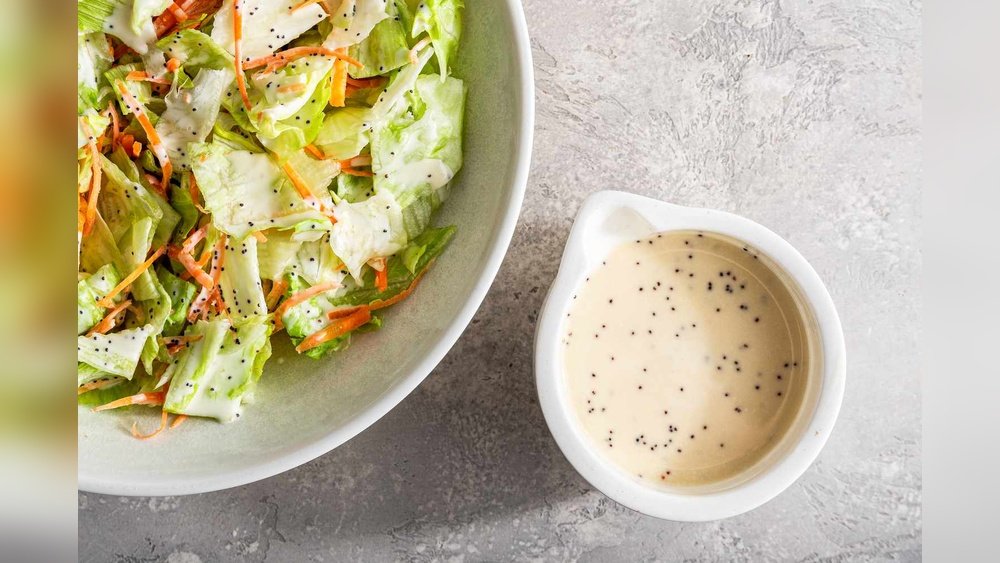
If you like your salads a little richer, this creamy Italian dressing adds a savory, cheesy boost. It’s fantastic on chopped salads, cold pasta, or as a dip for raw veggies.
🍫 Ingredients:
- 1/2 cup mayonnaise
- 1/4 cup plain Greek yogurt or sour cream
- 1/4 cup grated parmesan cheese
- 3 tablespoons white wine vinegar
- 1 tablespoon olive oil
- 1 tablespoon lemon juice
- 1 teaspoon dijon mustard
- 1 teaspoon honey
- 1 clove garlic (minced)
- 1 teaspoon Italian seasoning
- 1/2 teaspoon salt
- 1/4 teaspoon black pepper
If you want a lighter version, use all yogurt instead of mayonnaise, or try low-fat versions. For a vegan option, use vegan mayo, plain coconut yogurt, and nutritional yeast in place of parmesan.
🥣 Steps:
- In a bowl, mix mayonnaise, yogurt, and parmesan until smooth.
- Add vinegar, olive oil, lemon juice, mustard, honey, and garlic.
- Sprinkle in Italian seasoning, salt, and pepper.
- Whisk or blend everything until creamy and combined.
- Chill for 10–15 minutes for best flavor.
Why you’ll love it: Creamy, cheesy, and full of Italian herbs—just like a restaurant, but lighter!
Simple Italian Vinaigrette (no Mustard)
Sometimes you want a lighter, simpler dressing with just oil, vinegar, and herbs. This vinaigrette is fast, bright, and lets your salad shine. It’s also allergy-friendly since there’s no mustard or dairy.
🍫 Ingredients:
- 1/2 cup olive oil
- 1/4 cup white or red wine vinegar
- 1/2 teaspoon dried oregano
- 1/2 teaspoon dried basil
- 1/2 teaspoon garlic powder
- 1/2 teaspoon onion powder
- 1/2 teaspoon salt
- 1/4 teaspoon black pepper
- Pinch of sugar (optional)
This version is ideal if you want to keep things extra simple or need to avoid common allergens. The sugar is optional but helps balance the acidity if you find the vinegar too sharp.
🥣 Steps:
- Add vinegar, oregano, basil, garlic powder, onion powder, salt, and pepper to a jar.
- Pour in olive oil.
- Add a pinch of sugar if you want a milder taste.
- Seal and shake well, or whisk in a bowl until blended.
Why you’ll love it: Light, healthy, and ready in seconds—perfect for any salad!
Italian Dressing Face-off: What’s Different?
To help you choose, here’s a quick look at how these dressings compare:
| Recipe | Main Flavor | Texture | Best For | Allergy Notes |
|---|---|---|---|---|
| Classic Zesty | Tangy, herby | Light, oily | Green salads, marinades | No dairy, contains mustard |
| Creamy Parmesan | Cheesy, rich | Creamy | Chopped salads, pasta, dip | Contains dairy, eggs |
| Simple Vinaigrette | Clean, herby | Very light | Delicate greens, simple sides | No dairy, no mustard |
Each dressing has a unique use. The classic zesty is closest to what you’ll find at a pizzeria—great for bold, mixed salads. Creamy parmesan is more like a ranch, but with an Italian twist. The simple vinaigrette is perfect for letting fresh vegetables shine, especially in the summer.
Common Mistakes When Making Italian Dressing
Even simple dressings can go wrong. Watch out for these easy errors:
- Don’t use old dried herbs—they lose flavor fast. Try to use fresh or recently bought herbs.
- Avoid cheap oil—good olive oil makes a big difference in taste.
- Don’t skip emulsifying—whisk or shake well so the oil and vinegar blend.
- Avoid over-salting—taste before adding more salt.
- Don’t add garlic too early—if storing, garlic can get too strong over time.
- Avoid storing in metal—it can react with vinegar. Glass jars are best.
Another error is using “light” olive oil thinking it’s healthier. “Light” means less flavor, not fewer calories! For the best taste, use extra-virgin olive oil.
If you want to make a creamy dressing ahead, consider adding the garlic after chilling. This keeps the garlic flavor from overpowering the dressing as it sits.
Storing Italian Dressing: How Long, How To, And Smart Uses
Homemade Italian dressings don’t last as long as store-bought, but they’re still convenient. Here’s what you need to know:
- Fridge time: Most homemade dressings last 5–7 days in the refrigerator. Creamy dressings may last up to 1 week, vinaigrettes about 2 weeks if kept very cold.
- Reheating: Don’t heat dressings directly. If olive oil solidifies in the fridge, let the jar sit at room temperature for 10–15 minutes, then shake or whisk.
- Reuse ideas:
- Use as a chicken or tofu marinade before grilling or baking.
- Toss with cold pasta and fresh veggies for a quick pasta salad.
- Drizzle over roasted potatoes or steamed green beans.
- Use as a dip for crusty bread.
Always store dressings in glass jars or bottles. Plastic can absorb odors and flavors. Make sure your container is airtight to keep flavors fresh and prevent spills.
Extra uses: Try using leftover dressing as a sauce for grain bowls or to liven up cooked beans. If you make a mild vinaigrette, it also works as a quick pickle brine for sliced cucumbers or onions.
When storing, label your dressing with the date. Since homemade versions have no preservatives, it’s easy to forget how long they’ve been in the fridge.
Quick Tips & Smart Shortcuts
Want your Italian dressing even faster or more flexible? Try these tips:
- Swap lemon juice for vinegar if you want a softer, citrusy dressing.
- Use fresh herbs if you have them; double the amount for stronger taste.
- Out of olive oil? Use a mild vegetable oil, but avoid strong oils like sesame.
- Add a spoon of grated parmesan to any vinaigrette for extra depth.
- If you’re in a rush, mix all ingredients in a clean jar—just shake and serve.
- For a little sweetness, stir in a touch of maple syrup or agave instead of honey.
If you’re making dressing for a party, consider setting up a “dressing bar. ” Offer the classic, creamy, and simple vinaigrette versions, plus bowls of extras like chopped sun-dried tomatoes, olives, or toasted nuts. Guests can mix and match for their perfect salad.
If you want a “restaurant style” creamy Italian, whisk in a tablespoon of sour cream and a teaspoon of white sugar. It’s not traditional, but it’s a popular trick in many diners and pizzerias.
:max_bytes(150000):strip_icc()/49750_Easiest_Salad_Dressing_DDMFS_3x4-db0126227c7c4a89a3fa88d6bfb97d5a.jpg)
Credit: www.allrecipes.com
Ingredient Comparison: Store-bought Vs. Homemade
Ever checked the label on a store-bought Italian dressing? Here’s how homemade and commercial versions stack up:
| Factor | Homemade | Store-Bought |
|---|---|---|
| Preservatives | None | Often contains many |
| Sodium (per 2 Tbsp) | 100–250 mg | 250–400 mg |
| Calories (per 2 Tbsp) | 120–150 | 100–180 |
| Customizable | Yes, easily | Rarely |
| Main Oil | Olive oil (or your choice) | Often soybean or canola |
Most store-bought dressings are made to last for months, so they use preservatives and stabilizers. The oil is often a cheap blend, not pure olive oil. Homemade dressings give you a shorter ingredient list and a fresher, more natural taste.
Real-world Example: How People Use Italian Dressing
It’s not just for salad! Many home cooks use Italian dressing as a quick fix for more than lettuce:
- Marinate chicken breasts in classic Italian before baking—juicy and flavorful.
- Toss roasted zucchini or carrots with vinaigrette while still warm.
- Stir creamy Italian into tuna salad for extra zip.
- Brush on bread before toasting for an herby, crunchy snack.
Busy parents often use Italian dressing as a shortcut for weeknight dinners. For example, toss chopped potatoes and carrots with the classic dressing, spread on a tray, and roast. Or, pour creamy Italian over a bowl of shredded cabbage and carrots for a fast slaw.
Some people even use Italian dressing as a pizza sauce base or a topping for baked fish. It’s flexible—don’t be afraid to experiment.
As noted by Serious Eats, homemade Italian dressing is often fresher and more customizable than anything you’ll find in a bottle.

Credit: simplyceecee.co
Frequently Asked Questions
How Long Does Homemade Italian Dressing Last In The Fridge?
Homemade Italian dressings usually last 5–7 days in the refrigerator. Vinaigrettes with only oil and vinegar can sometimes last up to two weeks, while creamy dressings (with dairy or eggs) should be used within a week for best quality.
If you see separation, cloudiness, or an off smell, it’s time to throw it out. Always use clean utensils to serve—this prevents bacteria from getting into the dressing.
Can I Make Italian Dressing Without Olive Oil?
Yes! While olive oil gives the best flavor, you can use canola, sunflower, or even light vegetable oil. Avoid strong-flavored oils like sesame or peanut. The taste will be lighter but still tasty.
If you want a “neutral” taste, use grapeseed oil. For a richer taste, blend half olive oil with half avocado oil.
Is Italian Dressing Gluten-free?
Most homemade Italian dressings are naturally gluten-free because they use oil, vinegar, herbs, and sometimes cheese or mustard. Always check labels on mustard, parmesan, or spice blends if you need to avoid gluten completely.
Some commercial dressings use thickeners with gluten, so homemade is the safest choice for gluten-free diets.
Can I Freeze Italian Dressing?
It’s not recommended to freeze Italian dressing. The oil and vinegar separate when frozen and thawed, and creamy versions may become grainy or watery. It’s better to make small batches and keep them in the fridge.
If you must store for longer, consider freezing the herb and vinegar mixture only, then add oil and dairy just before using.
What’s The Best Vinegar For Italian Dressing?
Red wine vinegar is the classic choice, but white wine vinegar or even apple cider vinegar work well. Each gives a slightly different flavor. Avoid distilled white vinegar, which is too harsh.
For a sweeter, milder taste, try balsamic vinegar—just use less, as it’s stronger.
Make It, Pin It, Share It!
Homemade Italian dressing is a simple way to make salads, veggies, and even quick dinners taste special. You don’t need fancy ingredients or lots of time—just a few pantry staples and five minutes. Whether you love zesty, creamy, or simple vinaigrettes, these recipes are sure to become kitchen favorites.
Why not save or pin your favorite, and tell us—which Italian dressing recipe will you try first?
—
SEO Title:
3 Italian Dressing Recipes: Easy, Flavorful & Fast Homemade Dressings
Meta Description:
Discover 3 delicious Italian dressing recipes—classic zesty, creamy parmesan, and simple vinaigrette. Ready in minutes with pantry ingredients. Tips, storage, FAQs.

Credit: www.spendwithpennies.com