
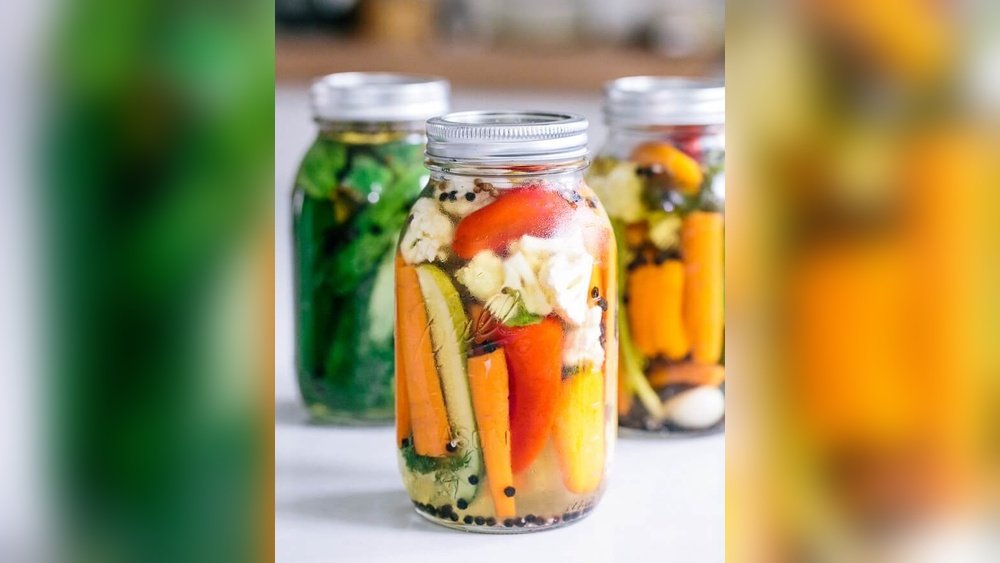
Some days, you barely have time to cook, but you still crave a burst of flavor with your meal. Maybe you’re rushing between work and home, or you just feel too tired to make something complicated. The good news? You can transform everyday vegetables into delicious mixed vegetable pickles in less than an hour. These pickles add crunch, spice, and tang to any dish, bringing life to plain rice, sandwiches, or even noodles. In this guide, you’ll find three easy recipes anyone can follow—no special tools or rare ingredients. Start making your own pickles today, and you’ll never look at boring leftovers the same way again.
Pickling isn’t just about preserving food—it’s about adding a whole new flavor dimension. A spoonful of pickle can turn a bland meal into something memorable. Even on a lazy day, having a jar of homemade mixed vegetable pickle in the fridge means you always have something exciting to add to your plate.
Plus, making pickles is a fun way to use up leftover vegetables before they go bad, so you waste less and eat better.
If you’re new to pickling, don’t worry. These recipes are designed for busy people and beginners. No need for fancy equipment like fermenting crocks or special weights. Just grab a clean glass jar, your favorite vegetables, and a few basic spices.
You’ll be surprised how easy and flexible pickling can be.
—
Why Make Mixed Vegetable Pickles?
Making your own mixed vegetable pickles at home is much easier than you think. Here’s why these recipes are perfect for everyone:
- Ready in under an hour
- Use common vegetables and spices
- Budget-friendly—just basic pantry items
- No special equipment needed
- Great for meal prep and quick snacks
- Long-lasting in the fridge
There’s another big reason: customization. When you make pickles at home, you choose the vegetables, flavors, and spice level. Don’t like it too hot? Use less chili. Want it a bit sweeter? Add a little more sugar. Store-bought pickles can be too salty, oily, or full of preservatives. Homemade versions put you in control.
Pickling also helps with meal prep. A small jar lasts for weeks. Add a spoonful to dal and rice, mix into salads, or serve with grilled meats. Even plain noodles taste better with some crunchy pickled vegetables on top. If you have kids, you can make a mild version or cut the veggies into fun shapes to encourage them to eat more.
Some people worry about food safety, but quick pickles (like the ones in this article) are safe as long as you keep everything clean and follow the simple steps. No need to wait for weeks to enjoy your pickle, and you won’t need to watch out for complicated fermentation issues.
Pick one of these recipes, and you’ll have a fresh, bold-flavored side dish any time you need it.
—
Classic Indian Mixed Vegetable Pickle
If you love vibrant flavors, this Indian-style mixed vegetable pickle is a must-try. It’s spicy, sour, and loaded with crunchy vegetables. A little goes a long way, making it perfect for serving with rice, parathas, or any main dish. You don’t need to ferment for weeks—this recipe gives you instant results with just a few hours of rest.
45 Minutes (plus 2-4 Hours Resting Time)
🍫 Ingredients:
- 1 cup carrots, cut into thin sticks
- 1 cup cauliflower florets
- 1/2 cup green beans, chopped
- 1/2 cup turnip, peeled and chopped
- 2-3 green chilies, sliced
- 3 tbsp mustard oil (or vegetable oil)
- 1 1/2 tbsp mustard seeds
- 1 tbsp fennel seeds
- 1 tbsp nigella seeds (kalonji)
- 1 tsp fenugreek seeds
- 1 1/2 tbsp red chili powder
- 1/2 tsp turmeric powder
- 1/2 cup white vinegar
- 2 tsp salt
- 1 tbsp sugar (optional)
You can easily swap some vegetables based on what’s in your fridge—try adding pieces of cabbage, baby corn, or even broccoli. If you don’t have nigella or fennel seeds, just use what you have; the pickle will still taste great.
🥣 Steps:
- Wash and dry all vegetables thoroughly. Remove any moisture to prevent spoilage. This is important—wet vegetables can make the pickle go bad quickly.
- In a large bowl, mix carrots, cauliflower, beans, turnip, and green chilies. Try to cut all the vegetables to similar sizes so they pickle evenly.
- Heat mustard oil in a pan until it just starts to smoke. Cool for a minute, then add mustard, fennel, nigella, and fenugreek seeds. Let them sizzle for 30 seconds. The oil should be hot enough to bring out the aroma but not burn the spices.
- Add chili powder and turmeric. Stir quickly, then pour this spiced oil over the vegetables. Mixing the spices with hot oil helps release their flavors and colors, making the pickle vibrant and aromatic.
- Add salt, vinegar, and sugar. Mix well so everything is coated. The vinegar helps preserve the vegetables and gives the pickle its tangy taste.
- Transfer to a glass jar. Press down to remove air pockets. This step helps the pickle stay crisp and avoids spoilage.
- Let the pickle rest at room temperature for 2–4 hours before eating. For best flavor, refrigerate overnight.
You can eat this pickle the same day, but the flavors get stronger and better after 24 hours. It stays crunchy for about 2–3 weeks in the fridge.
Pro Tip
For extra crunch, spread cut vegetables on a tray and sun-dry for 2–3 hours before making the pickle. If you don’t have sun, use your oven on the lowest setting with the door slightly open. Removing a little extra water from the veggies keeps them crisp for longer.
Why you’ll love it:
It wakes up every meal with just one spoonful.
Many beginners forget to taste the pickle before storing it. Always taste the mixture and adjust salt, sugar, or vinegar if needed. Every batch of vegetables absorbs flavor differently, so trust your taste buds.
Another tip: If you don’t like mustard oil’s strong smell, heat it well before use. This mellows the flavor and makes it more pleasant.
—
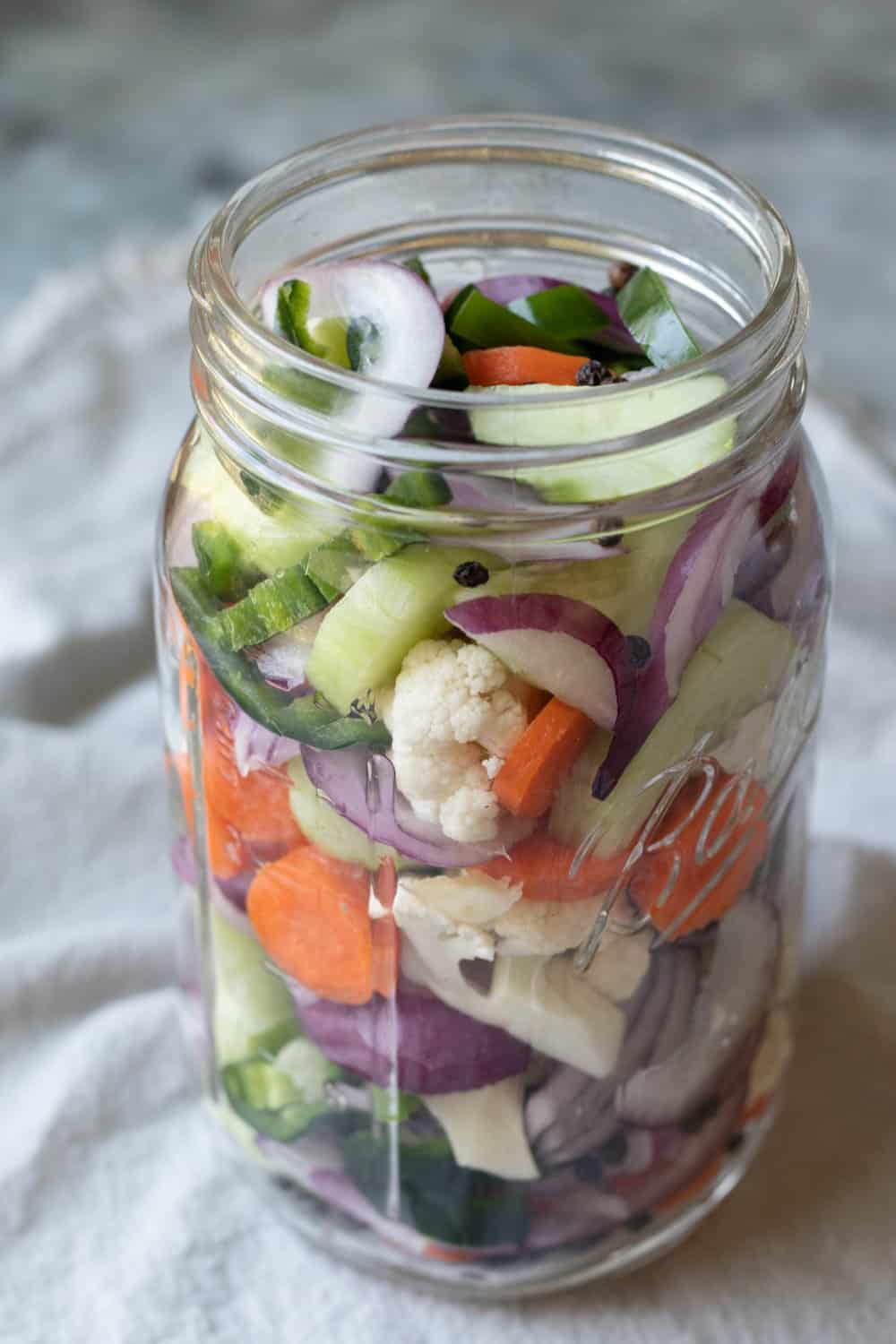
Quick Fridge Mixed Veggie Pickle
Need a fast, tangy side for your lunch? This quick fridge pickle is ready in under 30 minutes. It’s mild, slightly sweet, and works well with sandwiches, wraps, or salads. The best part: you can use any leftover veggies you have.
25 Minutes
🍫 Ingredients:
- 1 cup cucumber, sliced
- 1/2 cup carrot, thinly sliced
- 1/2 cup red bell pepper, cut into strips
- 1/2 cup radish, sliced
- 1/2 cup onion, sliced
- 3/4 cup white vinegar
- 3/4 cup water
- 2 tbsp sugar
- 1 1/2 tsp salt
- 1/2 tsp black peppercorns
- 1/2 tsp mustard seeds
- 2 bay leaves
Feel free to swap in yellow squash, celery, or even green beans. The key is to use firm, crunchy vegetables. Avoid soft ones like tomatoes or zucchini, which can turn mushy.
🥣 Steps:
- In a saucepan, mix vinegar, water, sugar, salt, peppercorns, mustard seeds, and bay leaves. Heat until the sugar and salt dissolve. Remove from heat and cool for 5 minutes. The warm brine helps the vegetables absorb flavor quickly.
- Place all sliced vegetables in a clean glass jar. Pack them in tightly but don’t crush them.
- Pour the warm brine over the vegetables, making sure they are fully covered. The liquid should reach the top—if not, add a little extra vinegar and water.
- Let cool to room temperature, then seal and place in the fridge. The jar might feel warm; that’s fine.
- Ready to eat after 1 hour; best flavor in 24 hours.
Serving ideas: Add these pickles to burgers, tacos, or even as a topping for grilled fish. They add a bright, zesty crunch to anything.
Pro Tip
Slice vegetables evenly so they pickle at the same speed and stay crisp. If you have a mandoline slicer, use it for uniform slices. If not, a sharp knife works fine—just keep slices thin.
Why you’ll love it:
Super Fast And Always Crunchy—no Cooking Required!
If your pickle tastes too sharp, add a bit more sugar or a splash of water. If it’s too sweet, add a dash of vinegar. Adjusting the brine is easy, and you’ll learn to get the perfect balance after a couple of tries.
Most people skip bay leaves, but they add a subtle aroma that makes your pickle taste special.
—
Korean-style Spicy Mixed Vegetable Pickle (oi Sobagi)
Craving something spicy and tangy with an Asian twist? Try this Korean-inspired mixed vegetable pickle. It’s similar to kimchi but requires no fermentation and uses simple ingredients. Perfect as a snack, or to spice up plain rice or noodles.
40 Minutes (plus 1 Hour Marinating)
🍫 Ingredients:
- 2 small cucumbers, sliced into thick sticks
- 1 cup daikon radish, peeled and cut into matchsticks
- 1 cup carrot, cut into matchsticks
- 1/2 cup scallions, chopped
- 2 tbsp Korean chili flakes (gochugaru) or 1 tbsp regular chili flakes
- 2 tbsp soy sauce
- 1 tbsp rice vinegar
- 1 tbsp sugar
- 1 tbsp sesame oil
- 1 1/2 tsp salt
- 1 tbsp sesame seeds
- 2 cloves garlic, minced
If you can’t find daikon, regular radish works fine. You can also add Napa cabbage or even a bit of red bell pepper for color. Gochugaru gives a bright red color and mild heat, but any chili flakes will work.
🥣 Steps:
- Place cucumber, daikon, and carrot in a bowl. Sprinkle with salt, toss, and let sit for 30 minutes to draw out water. This step is important for crunchy pickles.
- Rinse vegetables and gently squeeze out excess liquid. Don’t skip the rinsing, or the pickle will taste too salty.
- In a new bowl, mix chili flakes, soy sauce, vinegar, sugar, sesame oil, sesame seeds, and minced garlic. Stir until the sugar dissolves.
- Add drained vegetables and scallions to the sauce. Mix well to coat evenly. Use your hands (with gloves) to massage the sauce into the veggies for best flavor.
- Cover and refrigerate for at least 1 hour before serving.
Serving ideas: Top your favorite noodles, rice bowls, or even grilled chicken with this pickle. It also makes a great snack on its own.
Pro Tip
For deeper flavor, let the pickle marinate overnight in the fridge. The vegetables soak up more of the spicy, umami sauce and taste even better the next day.
Why you’ll love it:
A spicy, savory side that takes your meal to another level.
If you want your pickle less spicy, use half the chili flakes and add a little more sugar or some thinly sliced bell peppers. For a fun twist, add a teaspoon of grated ginger or a few drops of fish sauce for extra umami.
Many beginners forget to squeeze out the water after salting. This step is key for crispiness and keeps the pickle from becoming soggy.
—

Credit: danishealthyeats.com
Common Mistakes To Avoid
Making mixed vegetable pickles is simple, but a few small errors can ruin your batch. Watch out for these:
- Don’t use wet or damp vegetables—moisture causes spoilage. Always dry veggies with a clean towel or air dry for a few minutes.
- Avoid plastic containers; always use glass jars for better taste and safety. Plastic can absorb smells and may react with vinegar.
- Don’t skip vinegar or salt—they preserve and flavor your pickle. Without enough, your pickle might not last, and it won’t taste right.
- Avoid overcrowding the jar; press gently to remove air gaps but don’t crush the veggies. Too much pressure makes them mushy.
- Don’t use old or soft vegetables; fresh produce stays crisp. Pickle soon after buying or harvesting.
- Don’t double the spice or vinegar without tasting—balance is key. Too much of any one ingredient can overpower the pickle.
A few more common issues:
- Don’t use dirty hands or spoons in the pickle jar—this introduces bacteria.
- Avoid storing pickles near the stove or in direct sunlight. Heat can spoil them quickly.
- Don’t mix new veggies into old pickle brine. Each batch needs fresh brine for safety.
—
How To Store And Reuse Your Pickles
Homemade mixed vegetable pickles last longer than you think if stored right. Here’s what you need to know:
- Fridge life: Most pickles last 2–3 weeks in a clean, airtight glass jar in the refrigerator.
- Reheating: Avoid reheating pickles; serve them cold or at room temperature for best flavor.
- Reuse ideas: Add leftover pickle juice to salad dressings, marinades, or stir-fries for an extra kick.
- Signs to toss: If you see mold, off smells, or sliminess, discard the batch immediately.
- Batch size: Make small quantities for freshness and try new combinations often.
If you want to keep pickles longer, make sure the vegetables are always submerged in brine. If the liquid runs low, add a mix of vinegar and water (with a pinch of salt and sugar) to cover the veggies.
Don’t throw away old pickle brine. It’s packed with flavor and works as a base for soups, sauces, or even to marinate tofu or meats.
If you want to share your pickles with friends, use small jars and always refrigerate. Homemade pickles are not shelf-stable like commercial ones.
—
Quick Tips And Shortcuts
Don’t have time for classic recipes? Want to switch things up? Try these:
- Use store-bought pickling spice for fast flavor. Just add 1–2 teaspoons to your brine.
- Substitute white vinegar with apple cider vinegar or rice vinegar for a different taste.
- Add a spoon of sugar for a sweet-and-sour twist.
- For a milder taste, remove seeds from chilies or use bell peppers instead.
- Try frozen vegetables—thaw, dry, and pickle for convenience.
- Add fresh herbs like dill or cilantro for an aromatic finish.
A few more shortcuts:
- Use a food processor to slice vegetables quickly and evenly.
- If you want a smoky flavor, add a pinch of smoked paprika or roasted cumin.
- Mix leftover pickled veggies into potato salad or coleslaw for a tangy surprise.
- If you make a big batch, store in several small jars. Open one at a time to keep the rest fresh.
If you’re in a real hurry, make “flash pickles” by slicing veggies extra thin and letting them sit in hot brine for just 10–15 minutes. They won’t last as long but work well for a single meal.
—
Recipe Comparison
To help you pick the best recipe for your needs, here’s a quick comparison of these three mixed vegetable pickles:
| Recipe | Main Flavor | Time Needed | Spice Level | Best With |
|---|---|---|---|---|
| Classic Indian | Spicy, tangy, aromatic | 45 min + rest | Medium-high | Rice, paratha, curry |
| Quick Fridge | Mild, tangy, sweet | 25 min | Low | Sandwiches, wraps, salad |
| Korean-Style | Spicy, umami, fresh | 40 min + marinate | Medium | Noodles, rice, grilled meats |
If you’re serving kids or people sensitive to spice, the Quick Fridge Pickle is the safest choice. For those who love bold flavors, go for the Classic Indian or Korean-Style pickle.
—
Credit: myquietkitchen.com
Nutrition Snapshot
Wondering about calories, carbs, or fat? Here’s a basic nutrition snapshot for an average serving (2 tbsp) of each recipe:
| Recipe | Calories | Carbs (g) | Fat (g) | Sugar (g) | Fiber (g) |
|---|---|---|---|---|---|
| Classic Indian | 20–30 | 3–4 | 1–2 | 1–2 | 1 |
| Quick Fridge | 15–25 | 2–3 | 0 | 2 | 1 |
| Korean-Style | 20–35 | 3–4 | 1 | 2 | 1 |
These pickles are light and add very few calories to your meal. Most of the calories come from the vegetables and small amounts of oil or sugar. They are a good source of fiber and vitamins, especially if you use a variety of colorful veggies.
If you’re watching sodium, reduce the salt by 20% and add more vinegar or spices for flavor. Pickles are naturally high in sodium, but you can control it in homemade recipes.
—
Frequently Asked Questions
How Long Do Homemade Mixed Vegetable Pickles Last?
Homemade pickles last 2 to 3 weeks in the fridge if kept in a clean, airtight glass jar. Always use a clean spoon to take out pickles and watch for signs of spoilage like mold or a bad smell.
Can I Use Any Vegetables For These Pickles?
Yes, you can use almost any firm, fresh vegetables like carrots, cauliflower, radish, beans, turnip, cucumber, or bell peppers. Avoid very soft or watery veggies like tomatoes, as they spoil quickly.
Are These Pickles Healthy?
These pickles are low in calories, rich in vitamins and fiber, and contain less oil and sugar than store-bought ones. However, they do have salt and vinegar, so eat them in moderation.
What If I Don’t Have Mustard Oil For The Indian Pickle?
You can use regular vegetable oil or sunflower oil instead. Mustard oil gives a special flavor, but the recipe works with other oils too.
Can I Make These Pickles Without Sugar?
Yes! Sugar balances the sharpness of vinegar and spice, but you can skip it or use a sugar substitute. The pickle will taste a bit more tangy.
How Do I Keep My Pickles Extra Crisp?
Make sure to dry vegetables very well, slice them evenly, and avoid overpacking the jar. For the Indian and Korean styles, a short sun-dry or salt soak before pickling helps a lot.
Where Can I Learn More About The Science Of Pickling?
For a deeper look into how pickling works, check out this article on Pickling.
—
Making your own mixed vegetable pickle is a simple way to add excitement to everyday meals—even on your busiest days. Whether you want bold Indian spices, fresh Korean heat, or a quick fridge pickle, you have all the steps above. Ready to try these recipes? Pin this article for later and tell us—which vegetables will you pickle first?
Homemade pickles also make thoughtful gifts. Fill a small jar, tie a ribbon, and share with friends or family—they’ll appreciate the taste and your effort. And as you get more confident, experiment with new vegetable mixes, spice blends, or even fruits like green mango or pineapple.
The world of pickling is bigger than you think, and every batch is a new adventure. Happy pickling!

Credit: www.youtube.com