
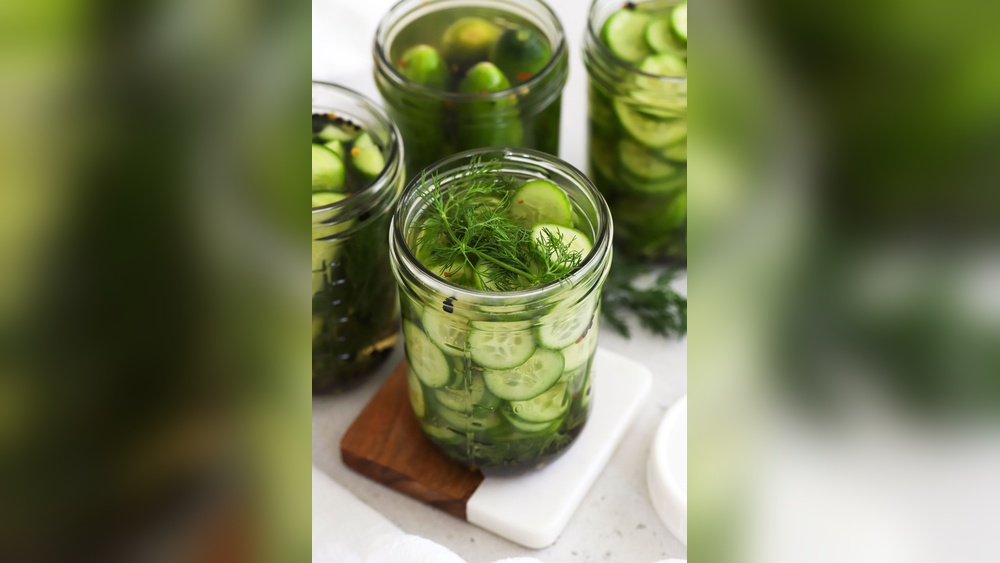
Life moves fast. Maybe you’re working late, chasing after kids, or just too tired to cook something fancy. But then, hunger hits—or maybe a craving for something crunchy and tangy. The problem? Store-bought pickles are often full of sugar, chemicals, and cost way more than they should. What if you could have homemade refrigerator pickles in less than 20 minutes? With a few simple ingredients, no canning, and almost no effort, you can turn fresh veggies into crisp, flavorful pickles that keep for weeks. Ready to unlock the easiest way to boost your snacks, salads, and sandwiches? These three easy refrigerator pickle recipes will change the way you snack forever.
Why You’ll Love Refrigerator Pickles
You don’t need to be a chef to make these. In fact, you’ll save money, cut down on food waste, and enjoy pickles that taste better than store-bought. Here’s why these recipes are a must-try:
- Quick: Ready to eat in hours, not days.
- Simple: No canning, no fancy gear, no stress.
- Budget-friendly: Uses basic pantry staples and cheap veggies.
- Customizable: Add your favorite spices or change up the veggies.
- Healthy: Less sugar and preservatives than store pickles.
- Few ingredients: Most versions use five or fewer.
If you’re someone who often ends up with leftover veggies at the end of the week, refrigerator pickles are a smart way to use them up before they go bad. You also get to skip the long and sometimes intimidating process of water-bath canning.
All you need is a clean jar and your fridge.
Another big advantage: you control exactly what goes into your pickles. No weird preservatives, no hidden colors, and you can adjust the salt or sugar levels to your taste. If you have kids or picky eaters, it’s easy to adjust the flavors. For example, you can skip the chili flakes for a mild version, or toss in extra garlic for more punch. Some people even like adding a few fresh herbs from the garden—think thyme, basil, or tarragon.
Refrigerator pickles are also a fantastic way to add excitement to plain meals. A simple cheese sandwich or a bowl of rice transforms with the crisp, tangy snap of homemade pickles. These small details can make meal prep more fun and flavorful.
Now let’s dig into five irresistible, easy-to-make refrigerator pickle recipes—each with its own twist!
Classic Garlic Dill Refrigerator Pickles
Nothing beats the cold crunch of a classic garlic dill refrigerator pickle. They’re tangy, garlicky, and always a crowd-pleaser. These pickles are perfect for burgers, sandwiches, or eating straight from the jar. If you love that signature deli flavor, this recipe is your new go-to.
🍫 Ingredients:
- 4 cups sliced cucumbers (about 3–4 small cucumbers)
- 1 cup white vinegar
- 1 cup water
- 1 tablespoon kosher salt
- 1 tablespoon sugar
- 3 cloves garlic (smashed)
- 1 teaspoon whole black peppercorns
- 4–6 sprigs fresh dill
- Optional: Pinch of red pepper flakes
🥣 Steps:
- Wash and slice cucumbers into coins or spears.
- Place garlic, dill, and peppercorns in the bottom of a clean quart jar.
- Pack cucumber slices tightly into the jar.
- In a small saucepan, combine vinegar, water, salt, and sugar. Heat until salt and sugar dissolve; let cool to room temperature.
- Pour the brine over cucumbers. Make sure they are fully covered.
- Seal and refrigerate for at least 4 hours (24 hours for best flavor).
Why you’ll love it: The fresh garlic and dill make every bite pop.
If you’ve only tasted commercial dill pickles, you’ll be surprised at how much brighter and fresher these taste. The sharpness of the vinegar is balanced by just a touch of sugar, while the dill and garlic infuse the cucumbers with a classic, comforting aroma.
If you want to experiment, try adding a few slices of white onion or a small pinch of coriander seeds for extra depth.
People often ask if you can use other types of vinegar. For this recipe, white vinegar gives that classic deli flavor, but you can use half apple cider vinegar for a little more sweetness. Just know that the color of your pickles may turn slightly golden, which can look beautiful in a glass jar.
Another detail beginners sometimes miss is the importance of slicing the cucumbers evenly. This helps them pickle at the same rate, so you don’t end up with some slices too sour and others not pickled enough. If you have a mandoline slicer, now’s the time to use it.
And always start with the freshest cucumbers you can find. Older cucumbers tend to go soft no matter how carefully you pickle them.
Spicy Sriracha Refrigerator Pickles
Want a bolder, zesty kick? These spicy sriracha refrigerator pickles bring heat and flavor to any snack plate. They’re great for tacos, rice bowls, or any dish that needs a punch.
🍫 Ingredients:
- 2 cups sliced cucumbers (about 2 medium)
- 1 cup white vinegar
- ½ cup water
- 2 tablespoons sugar
- 1 tablespoon kosher salt
- 1 tablespoon sriracha (or other hot sauce)
- 1 clove garlic (sliced)
- ¼ cup sliced red onion
- ½ teaspoon mustard seeds (optional)
🥣 Steps:
- Pack cucumbers, red onion, and garlic into a clean pint jar.
- In a bowl, whisk together vinegar, water, sugar, salt, and sriracha until dissolved.
- Pour the brine over the veggies to cover completely.
- Add mustard seeds if you want extra flavor.
- Seal and refrigerate for at least 6 hours.
Why you’ll love it: The perfect balance of spicy, sweet, and tangy in every bite.
What’s special about this recipe is its versatility. Sriracha brings more than heat; it adds a hint of garlic and sweetness that works beautifully with the tangy vinegar. If you want to get creative, try using other hot sauces—like gochujang for a Korean twist or harissa for North African heat.
Just be careful with very thick or oily sauces, as they can change the texture of your brine.
A lot of people think pickles have to be made with cucumbers, but this spicy brine is fantastic for other veggies too. Try thin-sliced carrots, snap peas, or even green beans. These spicy pickles are especially good on tacos, wraps, or as a crunchy snack with a cold drink.
One thing many beginners overlook is the importance of slicing the onions thinly. If the onion pieces are too thick, they can overpower the pickle. Thin slices meld into the background, adding just enough bite without taking over.
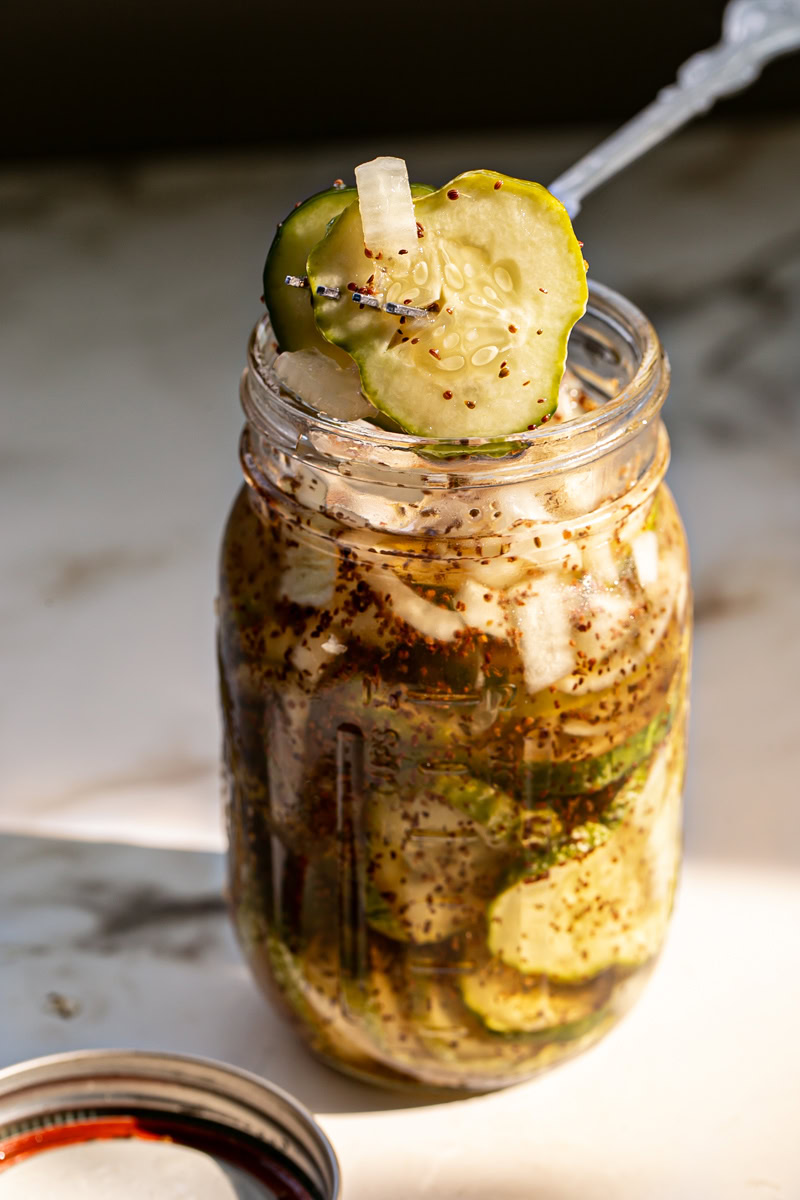
Sweet Bread & Butter Refrigerator Pickles
Craving something sweet and crunchy? These bread and butter refrigerator pickles are the answer. They’re mild, kid-friendly, and work as a side, snack, or burger topping.
🍫 Ingredients:
- 3 cups sliced cucumbers (about 2–3 small)
- ½ cup sliced onion
- 1 cup apple cider vinegar
- ½ cup white sugar
- 1 tablespoon kosher salt
- ½ teaspoon celery seeds
- ½ teaspoon mustard seeds
- ¼ teaspoon ground turmeric
🥣 Steps:
- In a large bowl, toss sliced cucumbers and onions with salt. Let sit 30 minutes to draw out water. Drain well.
- In a saucepan, combine vinegar, sugar, celery seeds, mustard seeds, and turmeric. Bring to a simmer until sugar dissolves.
- Pack cucumbers and onions into a clean jar.
- Pour hot brine over veggies, covering completely.
- Cool, seal, and refrigerate at least 2 hours.
Why you’ll love it: The sweet-tangy flavor makes them impossible to stop eating.
Bread & butter pickles are a picnic classic. They’re perfect for people who like a milder, sweeter pickle. The mix of apple cider vinegar and sugar creates a brine that’s more like a sweet-and-sour snack than a traditional sour pickle.
The celery and mustard seeds add a gentle spice, and turmeric gives that classic yellow color.
If you want to get creative, try adding thin slices of bell pepper or even a little fresh ginger for a mild kick. Many people don’t realize that bread & butter brine works well for other vegetables too—zucchini and summer squash are excellent substitutes for cucumber here.
A beginner mistake with sweet pickles is not draining the salted cucumbers and onions well enough. If there’s too much water left, the brine gets diluted and the pickles taste bland. Take the extra minute to drain well, and pat dry with a paper towel if needed.
Bread & butter pickles are also a great way to introduce kids to new flavors. Because they aren’t too sour or spicy, even picky eaters will reach for them. Try serving them alongside grilled cheese or as a topping for sliders.
:max_bytes(150000):strip_icc()/8664645_Quick-and-Easy-Refrigerator-Dill-Pickles_Dotdash-Meredith-Food-Studios_4x3-53c1ac03665f41ebbe3176b772392278.jpg)
Credit: www.allrecipes.com
Quick Asian-style Refrigerator Pickles
These Asian-inspired refrigerator pickles bring bright, tangy, and slightly sweet flavors with a hint of sesame. Perfect for rice bowls, salads, or as a fresh side for spicy foods.
🍫 Ingredients:
- 2 cups thinly sliced cucumbers (English or Persian)
- ½ teaspoon kosher salt
- 2 tablespoons rice vinegar
- 1 tablespoon sugar
- 1 teaspoon soy sauce
- ½ teaspoon sesame oil
- 1 teaspoon toasted sesame seeds
- 1 small clove garlic (minced)
🥣 Steps:
- Toss cucumber slices with salt in a bowl. Let stand for 10 minutes, then drain well.
- In another bowl, mix rice vinegar, sugar, soy sauce, sesame oil, and garlic.
- Add drained cucumbers and toss to coat.
- Sprinkle with toasted sesame seeds.
- Pack into a jar and refrigerate at least 1 hour.
Why you’ll love it: The light sesame flavor and crunch are perfect for hot days.
This quick pickle is inspired by Japanese and Korean sides, where bright, vinegary salads are served with almost every meal. The rice vinegar is less sharp than white vinegar, making these pickles mild and refreshing. Sesame oil adds a nutty aroma, and soy sauce gives a gentle umami background that’s perfect with rice, noodles, or grilled meats.
If you like it spicy, add a dash of chili flakes or a few slices of fresh red chili. For more crunch, toss in thin-sliced daikon radish or carrot. These pickles are also amazing in poke bowls, sushi rolls, or as a topping for ramen.
A detail many overlook: after draining the salted cucumbers, squeeze them gently to remove as much water as possible. This helps the cucumbers soak up the flavorful brine and keeps your pickles crisp.
Quick Pickled Veggie Medley
Change up your pickle game with this quick refrigerator veggie medley. Use carrots, radishes, cauliflower, or whatever’s in your fridge. It’s colorful, crunchy, and goes with everything.
🍫 Ingredients:
- 1 cup carrot sticks
- 1 cup cauliflower florets
- ½ cup sliced radish
- ½ cup sliced bell pepper
- 1 cup white vinegar
- 1 cup water
- 2 tablespoons sugar
- 1 tablespoon kosher salt
- 4–5 whole peppercorns
- 1 bay leaf
🥣 Steps:
- Cut all veggies into bite-size pieces.
- Pack veggies tightly into a clean quart jar. Add peppercorns and bay leaf.
- Combine vinegar, water, sugar, and salt in a saucepan. Heat to dissolve, then cool slightly.
- Pour brine over veggies until covered.
- Seal and refrigerate at least 3 hours.
Why you’ll love it: The mix of colors and flavors makes any dish look and taste better.
This recipe is your ticket to using up all those extra vegetables hiding in the fridge. The simple brine brings everything together, and the result is a rainbow of crunchy, tangy bites. If you want to add an herbaceous note, toss in a sprig of fresh thyme or oregano.
For a Mediterranean spin, add a few pitted olives and a slice of lemon peel.
A lot of people forget to blanch hard veggies like carrots or cauliflower. One minute in boiling water, then plunge into ice water—this step makes a huge difference in texture. The veggies stay crunchy but lose their raw bite, so they soak up flavor faster.
This medley is great for party platters, lunchboxes, or as a healthy snack. It’s also perfect for clearing out your crisper drawer and saving money.
Credit: healthylittlevittles.com
Common Mistakes When Making Refrigerator Pickles
Even though these recipes are easy, a few simple mistakes can ruin your batch. Here’s what to avoid:
- Don’t use table salt—it can make pickles cloudy and too salty. Use kosher salt or pickling salt.
- Avoid packing jars too tightly, which can lead to soft pickles.
- Don’t skip the cooling step for brine; hot brine can cook veggies and make them limp.
- Never use dirty or greasy jars; always start with clean, dry containers.
- Don’t forget to cover veggies fully with brine, or they’ll spoil faster.
- Avoid using old, limp veggies—they won’t get crisp, no matter what.
Another common mistake: forgetting to label your jars. It’s easy to lose track of when you made your pickles. Use a piece of masking tape and write the date. This way you know when to enjoy them at their crunchiest.
Also, don’t skip the step of draining salted veggies (like in the bread & butter and Asian-style recipes). If you leave too much water in the mix, your brine gets diluted, and the flavor is weak. Take the time to pat veggies dry for the best result.
If your pickles seem bland, you may not be using enough salt or vinegar. Don’t be afraid to taste your brine before pouring it over the veggies. It should be strong—remember, the flavor will mellow out as the pickles sit.
Storing And Using Refrigerator Pickles
One of the best things about these pickles is how easy they are to store and use. Here’s what you need to know:
- Fridge time: Most refrigerator pickles last up to 2–3 weeks in a well-sealed jar. The flavor gets better after the first day.
- Reheating: Never heat refrigerator pickles. They’re meant to be eaten cold. Heating ruins their crunch.
- Reuse ideas: When you finish the pickles, don’t throw out the brine! Use it to:
- Marinate chicken or tofu for extra flavor
- Add zing to potato salad or coleslaw
- Splash into salad dressings
- Quick-pickle more veggies
- Always check for off smells or sliminess before eating older pickles. When in doubt, throw it out.
Here’s a quick comparison of refrigerator pickle shelf life by veggie:
| Vegetable | Fridge Life | Best Use |
|---|---|---|
| Cucumber | 2-3 weeks | Snacking, sandwiches |
| Carrot | 3-4 weeks | Salads, platters |
| Cauliflower | 3-4 weeks | Appetizers, sides |
| Radish | 1-2 weeks | Tacos, rice bowls |
If you have a large batch, divide it into smaller jars. This way, you only open one jar at a time, keeping the rest fresher. For best texture, use glass jars with tight lids; plastic containers can absorb odors and stain from turmeric or beetroot.
You can also serve pickles in new ways. Try topping grilled fish or chicken with a spoonful of veggie medley pickles. Add a few slices of classic dill pickles to a cheese and charcuterie board for a professional touch. Or make a quick relish by chopping pickles and mixing with a little mayo and mustard.
Quick Tips And Substitutions
Want to make things even faster or try something new? These tips will help:
- Use rice vinegar or apple cider vinegar for a milder flavor.
- No fresh dill? Try dried dill or fennel seeds for a similar taste.
- For sugar-free pickles, use stevia or skip the sugar (but flavor will be more tart).
- If you like more crunch, add a grape leaf to the jar (the tannins help).
- Don’t have cucumbers? Try zucchini, green beans, or sliced jalapeños.
- Slice veggies evenly for best texture and even pickling.
Here’s a simple table of common vinegar swaps for pickling:
| Vinegar Type | Flavor Profile | Best For |
|---|---|---|
| White Vinegar | Sharp, classic | Dill, spicy pickles |
| Apple Cider Vinegar | Sweet, fruity | Bread & butter, veggie medley |
| Rice Vinegar | Mild, slightly sweet | Asian-style pickles |
Other ideas: Add a pinch of smoked paprika for a barbecue twist, or a clove of star anise for a hint of licorice in Asian-style pickles. You can also experiment with sweeteners—try honey, agave, or maple syrup instead of sugar for a different depth of flavor.
If you’re sensitive to garlic, reduce the amount or skip it entirely. For people avoiding onions, try adding thin-sliced fennel for a sweet, mild crunch. If you’re watching your sodium intake, you can lower the salt by 25%, but don’t cut it too much or the pickles might spoil quickly.
Frequently Asked Questions
How Long Do Refrigerator Pickles Last?
Most homemade refrigerator pickles last 2 to 3 weeks in the fridge if stored in a clean, sealed jar. Some firmer veggies like carrots or cauliflower can last up to a month. Always check for off smells or changes in texture before eating.
If you want to keep your pickles longer, always use a clean fork or spoon to remove them from the jar. Don’t use your fingers, as this can introduce bacteria and cause your pickles to spoil faster.
Can I Use Other Vegetables Besides Cucumbers?
Absolutely! Carrots, radishes, cauliflower, green beans, onions, and bell peppers all work great. Just slice them evenly and use the same basic brine.
You can also get creative with less common veggies like asparagus, beets, or even kohlrabi. For vegetables with tough skins (like beets), peel them first and cut into thin slices or small cubes.
Do I Need To Sterilize My Jars?
For refrigerator pickles, you don’t need to boil jars like traditional canning, but you must wash jars very well with hot, soapy water and rinse thoroughly. A clean jar keeps your pickles fresh and safe.
If you want extra safety, pour boiling water into the jar and then drain before filling, but let it cool so you don’t cook the veggies. This step isn’t required, but it gives extra peace of mind.
Can I Reuse The Pickle Brine?
Yes, you can use leftover brine to pickle more veggies or add flavor to salad dressings, marinades, or potato salad. But don’t reuse brine more than twice, and never use it to pickle raw meat or fish.
The flavor of brine gets weaker each time you reuse it, so always taste before starting another batch. If it tastes bland, add a little more vinegar, salt, or sugar to boost the flavor.
Why Are My Pickles Soft Instead Of Crunchy?
Soft pickles often happen if you use old veggies, pour hot brine over them, or pack the jar too tight. Always use fresh, firm vegetables and let the brine cool before pouring over.
If you really want extra crunchy pickles, add a few grape leaves or a pinch of alum (found at specialty stores), just like traditional pickle makers do. But for most people, freshness and the right process are enough for a great crunch.
Pickling is an easy way to make healthy, tasty snacks with just a few ingredients and almost no effort. Why not try one of these recipes today? If you enjoyed these ideas, save or share this article on Pinterest so you can find it again later.
Which pickle recipe will you make first? Let us know!
If you want to dive deeper into the science of pickling and food safety, check out [the USDA’s complete guide to home pickling](https://nchfp.uga.edu/publications/publications_usda.html).
—
SEO Title:
3 Easy Refrigerator Pickle Recipes (fast, Crunchy, No Canning Needed)
Meta Description:
Discover 3 fast refrigerator pickle recipes—classic dill, spicy sriracha, and sweet bread & butter. Simple ingredients, zero canning, ready in hours. Try today!
:max_bytes(150000):strip_icc()/__opt__aboutcom__coeus__resources__content_migration__simply_recipes__uploads__2017__08__2017-09-7-RefrigeratorPickles-14-ad74669947d9471c85feef053d2fa002.jpg)
Credit: www.simplyrecipes.com