

Some days, you get home tired and hungry. You want something healthy, comforting, and quick. But takeout is expensive, and those store-bought broths can taste dull or too salty. What if you could make fresh, delicious broth at home—without hours of work or fancy skills? These homemade broth recipes are your answer. With a few basic ingredients, you’ll have rich, flavorful broth ready to sip, cook with, or freeze for later. Even if you’re busy or lazy, you can do this. Let’s make your kitchen smell amazing.
Why Make Your Own Broth?
Homemade broth saves time, money, and stress. It’s more flavorful, healthier, and you control the ingredients. Here’s why you’ll love these recipes:
- Ready in under an hour (most recipes)
- Simple steps, no chef skills needed
- Uses leftover veggies and bones—budget friendly
- Just a handful of easy-to-find ingredients
- Free from preservatives and excess salt
- Perfect base for soups, sauces, or sipping on a cold day
When you make broth yourself, you also avoid waste. Those carrot ends, onion skins, and leftover chicken bones usually go in the trash. But in broth, they add flavor and nutrients. Plus, homemade broth is naturally gluten-free and can be customized for any diet.
You can make it low-sodium, use organic ingredients, or add spices you love.
Another benefit: homemade broth is gentle on the stomach. It’s good for digestion and hydration, especially if you’re not feeling well. Many people use homemade broth as a base for “reset” meals—a light soup, a warm mug, or to cook rice or grains.
One thing beginners often miss: when you make broth at home, you can adjust the recipe every time. Want it spicy? Add chili. Want a touch of sweetness? Add a parsnip or sweet potato. You’re the chef!
Classic Chicken Broth For All Seasons
There’s a reason classic chicken broth is a kitchen staple. It’s soothing, packed with protein, and works for everything—soups, risottos, or just sipping when you’re feeling under the weather. This version is fast, simple, and full of flavor.
🍫 Ingredients:
- 1 kg (2.2 lbs) chicken wings or drumsticks
- 2 large carrots, chopped
- 2 celery stalks, chopped
- 1 onion, quartered
- 2 garlic cloves, smashed
- 1 bay leaf
- 6 cups water
- 1 tsp salt
- 1/2 tsp black peppercorns
🥣 Steps:
- Place chicken, carrots, celery, onion, and garlic in a large pot.
- Add bay leaf, salt, peppercorns, and water.
- Bring to a boil, then reduce heat. Simmer uncovered for 35 minutes. Skim foam if needed.
- Remove chicken and vegetables. Strain broth through a fine sieve.
- Taste and adjust salt if needed.
Why you’ll love it: Warm, classic taste—like homemade soup from childhood.
This chicken broth is a foundation for many dishes. You can use it for chicken noodle soup, cook rice in it for extra flavor, or even freeze small portions to add to sauces. The protein and gelatin from the chicken give the broth a smooth mouthfeel.
If you have leftover cooked chicken, shred it and add it back to the strained broth for a simple soup.
Some cooks like to add a squeeze of lemon or a few sprigs of fresh herbs (like dill or parsley) at the end for brightness. If you want a clear broth, avoid stirring too much while simmering, and strain carefully.
A detail many people miss: don’t throw out the boiled chicken! After simmering, the meat is perfect for sandwiches, salads, or tacos. Just season to taste.
Speedy Vegetable Broth For Busy Nights
Vegetable broth is light, healthy, and incredibly easy. It’s perfect for vegans, vegetarians, or anyone needing a quick soup base. This version uses scraps and cooks fast.
🍫 Ingredients:
- 1 onion, chopped
- 2 carrots, chopped
- 2 celery stalks, chopped
- 2 garlic cloves, smashed
- 1 small potato, chopped (optional for body)
- 1 handful parsley
- 1 bay leaf
- 1 tsp salt
- 1/2 tsp black pepper
- 7 cups water
🥣 Steps:
- Add all veggies, herbs, salt, and pepper to a large pot.
- Pour in water.
- Bring to a boil, then simmer for 25 minutes uncovered.
- Strain out vegetables, pressing gently to release liquid.
- Taste and adjust salt.
Why you’ll love it: Clean, pure flavor—great for any diet, anytime.
Vegetable broth is very forgiving. Don’t have celery? Use leeks or fennel. Add mushrooms or tomatoes for more flavor. If you want a golden color, throw in a little turmeric or a yellow onion with the skin on (just wash well first).
This broth is naturally fat-free and very low in calories, making it ideal for light soups or as a drink when fasting. It’s also a great way to use up produce before it spoils. If you want a richer taste, sauté the onion, garlic, and carrots in a little olive oil first.
A tip beginners often miss: avoid using too many bitter vegetables like kale stems or broccoli. Stick to sweet, aromatic vegetables for the best flavor.
Rich Beef Bone Broth For Deep Flavor
When you want a broth with real depth—think ramen, stews, or sipping for gut health—beef bone broth is the answer. It’s rich in collagen and minerals, and this version is much faster than traditional 12-hour recipes.
🍫 Ingredients:
- 1 kg (2.2 lbs) beef bones (marrow or knuckle)
- 2 carrots, chopped
- 2 celery stalks, chopped
- 1 onion, quartered
- 3 garlic cloves
- 2 bay leaves
- 1 tbsp vinegar (helps extract nutrients)
- 8 cups water
- 1 tsp salt
- 1/2 tsp peppercorns
🥣 Steps:
- Roast bones at 220°C (425°F) for 25 minutes until browned.
- Transfer bones to a pot. Add carrots, celery, onion, garlic, bay leaves, vinegar, salt, and pepper.
- Cover with water.
- Bring to a boil. Reduce heat and simmer gently, uncovered, for 90 minutes. Skim any foam.
- Strain well.
Why you’ll love it: Deep, savory flavor and nourishing goodness in every sip.
Bone broth is popular for its health benefits. Collagen from the bones supports joints, skin, and digestion. Many people sip beef broth as a snack or breakfast, especially in colder months. The roasted bones and vegetables create a rich, dark color and a taste similar to French onion soup.
If you want even more flavor, add a few dried mushrooms or a piece of kombu (seaweed) during simmering. You can also simmer beef broth much longer (up to 6 hours) for extra nutrients, but the 2-hour version is still delicious and practical.
A detail beginners miss: let the broth cool, then skim off the fat layer if you want a leaner broth. Or keep the fat for richness—it’s full of flavor.
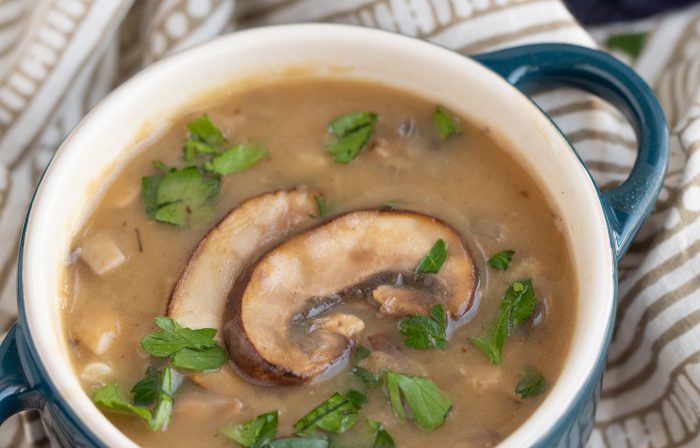
Credit: www.mushroomcouncil.com
Asian-inspired Ginger Garlic Broth
Bright, aromatic, and quick—this Asian-style broth is perfect for noodle bowls, dumplings, or sipping when you need a boost. The combo of ginger and garlic is famous for its health benefits and zesty taste.
🍫 Ingredients:
- 8 cups water
- 1 large onion, sliced
- 6 garlic cloves, sliced
- 2-inch piece fresh ginger, sliced
- 2 spring onions, chopped
- 2 tbsp soy sauce
- 1 tbsp sesame oil
- 1 tsp salt
- 1 tsp peppercorns
🥣 Steps:
- Heat sesame oil in a large pot. Add onion, garlic, and ginger. Sauté 2–3 minutes.
- Add water, spring onions, soy sauce, salt, and pepper.
- Bring to a boil, then simmer 20 minutes.
- Strain, pressing gently to extract flavor.
Why you’ll love it: Light, punchy broth that’s both refreshing and comforting.
This broth is a lifesaver for quick meals. Just add noodles, tofu, or cooked chicken for instant soup. The ginger and garlic support your immune system and warm you up. For a clear broth, avoid using dark soy sauce—stick to light soy or tamari.
Want a more complex taste? Try adding a small piece of kombu, a few dried shiitake mushrooms, or a splash of rice vinegar. These ingredients are common in Asian kitchens and add umami.
A non-obvious tip: If you love spicy food, slice fresh chili into the pot, or add chili oil when serving. If you’re feeling under the weather, add a little more ginger for an extra health boost.
Hearty Mushroom Broth For Umami Lovers
If you want plant-based umami, mushroom broth is your secret weapon. It’s earthy, rich, and so simple to make. A great choice for risottos, ramen, or sipping as a warming drink.
🍫 Ingredients:
- 300g (10 oz) mushrooms, sliced (any type)
- 1 onion, chopped
- 2 garlic cloves, smashed
- 2 celery stalks, chopped
- 1 carrot, chopped
- 2 tbsp soy sauce or tamari
- 1 bay leaf
- 8 cups water
- 1 tsp salt
- 1/2 tsp black pepper
🥣 Steps:
- Place mushrooms, onion, garlic, celery, carrot, and bay leaf in a pot.
- Pour in water, add soy sauce, salt, and pepper.
- Bring to a boil, then simmer 35 minutes.
- Strain, pressing mushrooms to release flavor.
Why you’ll love it: Complex, meaty flavor without any meat.
Mushroom broth is perfect for anyone avoiding animal products but still wanting deep, satisfying taste. Use cremini, button, shiitake, or even portobello mushrooms. Dried mushrooms (just a small handful) add a strong flavor—just soak them in hot water, then use both the mushrooms and soaking water in your broth.
This broth is a fantastic base for risotto, wild rice soup, or as a warming drink. If you add a teaspoon of miso paste at the end (don’t boil it), you get an extra hit of umami and probiotics.
A common mistake: don’t add too much soy sauce at first—it’s better to taste and add more later. Mushroom broth can get salty quickly.
Comparing Broth Basics
Here’s how these homemade broths stack up for time, difficulty, and diet-friendliness:
| Broth Type | Cook Time | Difficulty | Diet-Friendly |
|---|---|---|---|
| Chicken | 45 min | Easy | Gluten-Free, Paleo |
| Vegetable | 30 min | Very Easy | Vegan, Gluten-Free |
| Beef Bone | 2 hr | Medium | Paleo, Keto |
| Ginger Garlic (Asian) | 25 min | Easy | Vegan, Low-Fat |
| Mushroom | 40 min | Easy | Vegan, Gluten-Free |
Each broth has its own strengths. Chicken and beef bone broths are high in protein and feel hearty, while vegetable and mushroom broths are ideal for light meals or vegan diets. The Asian-inspired broth is fast and good for clearing out the sinuses or adding a punch to plain noodles.
A detail many people overlook: you can blend and match these bases. Add mushroom broth to beef soup for more umami, or use chicken broth as a base for Asian noodle bowls. The recipes are flexible—don’t be afraid to experiment!
Common Mistakes To Avoid
Even simple broth recipes can go wrong if you’re not careful. Here’s what to watch for:
- Don’t use too much salt at the start—broth reduces and can get very salty.
- Avoid boiling too hard; gentle simmering gives clearer, tastier broth.
- Don’t skip straining or skimming foam; it keeps the flavor clean.
- Avoid adding starchy veggies (like potatoes) if you want a clear broth.
- Don’t rush roasting bones or veggies; color equals flavor.
- Avoid crowding the pot—too many ingredients can make broth muddy.
A mistake some beginners make: using old or spoiled vegetables. Always use fresh or well-frozen scraps. If your broth tastes bitter, check for too many cabbage-family vegetables (like broccoli, turnip, or Brussels sprouts), which can dominate flavor.
Another common error is not cooling broth properly before storing. Let it cool to room temperature, then refrigerate or freeze. This prevents spoilage and keeps the broth safe to eat.
Storing And Reusing Homemade Broth
Homemade broth is easy to store and use later. Here’s how to keep it safe and delicious:
- Fridge: Store in a sealed container for up to 4 days.
- Freezer: Cool completely, then freeze in small containers or ice cube trays for up to 3 months.
- Reheating: Gently reheat on the stove or in the microwave until hot.
- Reuse ideas: Use in soups, stews, risottos, or as a savory base for grains and sauces.
For more convenience, freeze broth in silicone muffin cups or ice cube trays. You can pop out just the amount you need, which is perfect for sauces or small recipes. If you want to pack broth for lunch, use a thermos to keep it hot for hours.
A detail many people miss: after refrigerating, a layer of fat may form on top of animal broths. You can remove this for a lighter broth, or stir it in for richness and extra flavor.
Broth can also be used to steam vegetables, cook pasta, or as the liquid in mashed potatoes for a taste upgrade.
Quick Tips And Shortcuts
Want to save even more time or money? Try these tricks:
- Use a pressure cooker or Instant Pot to cut cook time by half.
- Substitute dried herbs for fresh if that’s what you have.
- Save veggie scraps (onion skins, carrot peels) and freeze them for broth making.
- Add a splash of apple cider vinegar to bone broths for extra minerals.
- If low on time, simmer for less but use more ingredients for flavor.
- Strain through cheesecloth if you want an ultra-clear broth.
Another smart shortcut: if you buy a rotisserie chicken, save the bones and skin for instant chicken broth. Just add water, a few veggies, and simmer for 30 minutes.
If you want to add more nutrition, throw in a piece of kombu (dried seaweed) for minerals, especially in vegan broths. And for extra flavor, toast your spices (like peppercorns or star anise) before adding them to the pot.
A non-obvious tip: you can reuse bones for a second, lighter batch of broth. Just simmer again with fresh water and a few more veggies.

Credit: www.tasteofhome.com
Comparing Nutritional Benefits
Let’s see how these broths compare for basic nutrients and health perks:
| Broth | Calories per Cup | Protein (g) | Minerals/Benefits |
|---|---|---|---|
| Chicken | 25 | 4 | Collagen, electrolytes |
| Vegetable | 15 | 1 | Vitamins, antioxidants |
| Beef Bone | 50 | 7 | Collagen, minerals |
| Ginger Garlic | 20 | 1 | Anti-inflammatory |
| Mushroom | 20 | 2 | Umami, B vitamins |
Chicken and beef bone broths stand out for protein and collagen, which support joints and skin. Vegetable and mushroom broths are low-calorie and full of antioxidants. Ginger garlic broth brings anti-inflammatory benefits from ginger and garlic—great for fighting colds or soothing sore throats.
A useful insight: When you use homemade broth in place of water for cooking grains, beans, or even scrambled eggs, you add nutrients and flavor without extra work.
Frequently Asked Questions
How Long Should I Simmer Broth?
Most broths are best simmered at least 25–45 minutes for vegetables and chicken, and 1–2 hours for beef bones. Longer simmering releases more flavor, but avoid boiling hard—gentle heat is key.
If you have time, longer simmering (up to 4–6 hours for bone broths) can give you even more nutrients and a thicker texture. But for everyday use, the times above are enough.
Can I Freeze Homemade Broth?
Absolutely. Cool your broth first, then freeze in airtight containers or ice cube trays. It keeps for up to 3 months. Thaw overnight in the fridge or heat from frozen for quick use.
Freezing in small portions means you can add just a little to sauces or vegetables. Always leave some room at the top of containers, as liquid expands when it freezes.
What’s The Difference Between Broth And Stock?
Broth is usually lighter, made with more meat and seasoning, and ready to eat as a soup. Stock uses more bones and simmers longer for a thicker, richer liquid, often used as a cooking base. For more details, see this Wikipedia article.
A practical tip: When in doubt, use them interchangeably in recipes. Both add flavor and nutrition.
Can I Make Broth Without Salt?
Yes, you can skip or reduce salt and add it later when using the broth in recipes. This is helpful if you need to control sodium for health reasons.
Homemade broth is naturally lower in salt than most store-bought versions. You can also use herbs, spices, and a splash of lemon juice to boost flavor without extra sodium.
What If My Broth Tastes Bland?
Try simmering a bit longer, or add a splash of soy sauce, a squeeze of lemon, or more herbs. Roasting ingredients first also boosts flavor.
If you have miso paste, a teaspoon stirred in at the end (without boiling) adds instant umami. Or, add a dash of fish sauce or Worcestershire sauce for a savory kick.
Making broth at home is simple, satisfying, and opens up a world of healthy recipes. Pin your favorite broth recipe for later or share it with a friend who loves cooking. Which broth will you try first?

Credit: www.averiecooks.com