

Ever find yourself craving the warm, savory taste of Greek gyros, but you’re too busy or tired to cook something complex? Maybe you’ve watched your favorite food show and wished you could enjoy that mouthwatering, spiced meat wrapped in soft pita – all from your own kitchen. The truth is, most people think Greek gyros are hard to recreate at home. But you don’t need a restaurant, fancy tools, or even a long shopping list. With the right gyros seasoning recipes, you can create authentic flavors in minutes, even on your busiest days. This guide gives you two foolproof, easy-to-follow Greek gyros seasoning mixes, plus everything you need to make your next meal unforgettable.
Greek gyros have a unique place in world cuisine. The combination of juicy meat, fresh vegetables, creamy sauce, and soft pita is irresistible. But at the heart of every great gyro is the seasoning. The right blend of herbs and spices brings all the other elements together.
If you’ve ever wondered why restaurant gyros taste so good, it’s not just the cooking method—it’s the seasoning that makes all the difference. And when you make your own, you can adjust the flavors to suit your taste, your diet, and your pantry.

Why These Gyros Seasoning Recipes Will Change Your Cooking
If you want a flavor boost without stress, these recipes fit your life. Here’s why:
- Ready in minutes—no hours of prep
- Simple ingredients—you probably have most in your kitchen
- Budget-friendly—no need for expensive spice blends
- Customizable—works with chicken, pork, beef, or even veggies
- Big taste, small effort—maximum flavor with minimum steps
Most people assume authentic gyros require hard-to-find spices or special equipment, but that’s not true. These seasoning blends use basic herbs and spices you likely already have. If you’re missing something, there’s almost always a simple swap.
For example, if you run out of oregano, you can use Italian seasoning. If you want to avoid salt, just add it separately at the end of cooking. You can also control the heat level, the tanginess, and even the smokiness by adjusting a single ingredient.
This flexibility makes these recipes perfect for families, picky eaters, or anyone who likes to experiment.
Another advantage is cost. Pre-made Greek seasoning blends can be pricey and sometimes contain fillers, preservatives, or even sugar. Making your own means you know exactly what goes in—and you save money, too.
Finally, these blends help you eat better. Cooking at home means you can use less oil, more vegetables, or leaner cuts of meat while still getting that crave-worthy gyro flavor.
Classic Greek Gyros Seasoning (the Athens Favorite)
Craving the real deal? This seasoning captures the classic street food taste you remember from Athens. It’s warm, herby, and just a little smoky. Perfect for chicken, pork, or beef gyros, this blend brings every bite to life.
🍫 Ingredients:
- 2 teaspoons dried oregano
- 1 teaspoon dried thyme
- 1 teaspoon dried rosemary
- 1 teaspoon garlic powder
- 1 teaspoon onion powder
- 1 teaspoon ground cumin
- 1 teaspoon smoked paprika
- 1/2 teaspoon ground black pepper
- 1/2 teaspoon salt
- 1/2 teaspoon ground coriander
- Pinch ground cinnamon
🥣 Steps:
- Combine all ingredients in a small bowl.
- Mix well with a spoon or whisk until evenly blended.
- Transfer to a jar or airtight container.
Why you’ll love it: One blend, endless meals—this seasoning goes with almost anything.
What makes this classic blend stand out is the balance of savory, earthy, and just a hint of sweet spice. The oregano and thyme are the backbone—these herbs are used widely in Greek cooking and offer a familiar, comforting aroma.
Rosemary adds a piney note that pairs especially well with red meats like beef and lamb.
Cumin and paprika give the mix a subtle warmth and smokiness, while garlic and onion powder provide depth without overpowering the other flavors. The pinch of cinnamon might seem surprising, but it’s a secret weapon in many Greek kitchens. It doesn’t taste sweet—just adds complexity that makes the meat taste more “authentic.
” Don’t skip it, even if you’re unsure!
If you’re using this blend for chicken, try marinating the meat with a little olive oil and lemon juice along with the seasoning. For pork or beef, simply rub it on before grilling or roasting. You’ll notice how the spices create a flavorful crust and infuse the meat with classic Greek taste.
If you want to take it further, sprinkle this blend on potatoes before roasting, or add it to homemade meatballs for a Greek twist. It also works in soups and stews if you want that unmistakable gyro flavor in other meals.
Credit: shop.pricechopper.com
Lemon-herb Greek Gyros Seasoning (bright & Zesty)
If you like your gyros with a fresh, citrusy kick, this lemon-herb mix is for you. It’s inspired by the coastal flavors of Greece, where lemon and herbs make everything taste light and vibrant. It’s especially good with chicken or fish gyros.
🍫 Ingredients:
- 2 teaspoons dried oregano
- 1 teaspoon dried basil
- 1 teaspoon dried parsley
- 1 teaspoon garlic powder
- 1/2 teaspoon onion powder
- 1 teaspoon lemon zest (dried or fresh)
- 1/2 teaspoon ground coriander
- 1/2 teaspoon sea salt
- 1/2 teaspoon ground black pepper
- Pinch dried dill
🥣 Steps:
- Mix all dry ingredients in a bowl.
- Add lemon zest last and mix to combine.
- Store in a sealed jar for up to a month.
Why you’ll love it: Instantly lifts your meal with a sunny, Mediterranean twist.
This blend is all about freshness. The combination of oregano, basil, parsley, and dill brings a green, garden-like aroma. Lemon zest is the star ingredient here—it gives the blend a lively citrus flavor that cuts through the richness of meat or balances the earthiness of vegetables.
Fresh lemon zest gives the most vibrant flavor, but dried zest works well if you want to store the blend for later. Coriander adds a little nuttiness, and the pinch of dill gives that classic “Greek salad” note. This mix is perfect for people who like lighter, brighter flavors.
Try this blend on chicken breast, fish fillets, or even shrimp. It’s also great tossed with roasted potatoes, zucchini, or green beans. For extra zing, squeeze fresh lemon juice over the finished dish. If you want to make a Greek salad dressing, mix this seasoning with olive oil and vinegar.
A non-obvious tip: Lemon zest can make seasonings clump if you use it fresh. To prevent this, sprinkle the zest directly onto the meat or veggies before cooking rather than storing it in the dry mix.
Spicy Greek Gyros Seasoning (for Heat Lovers)
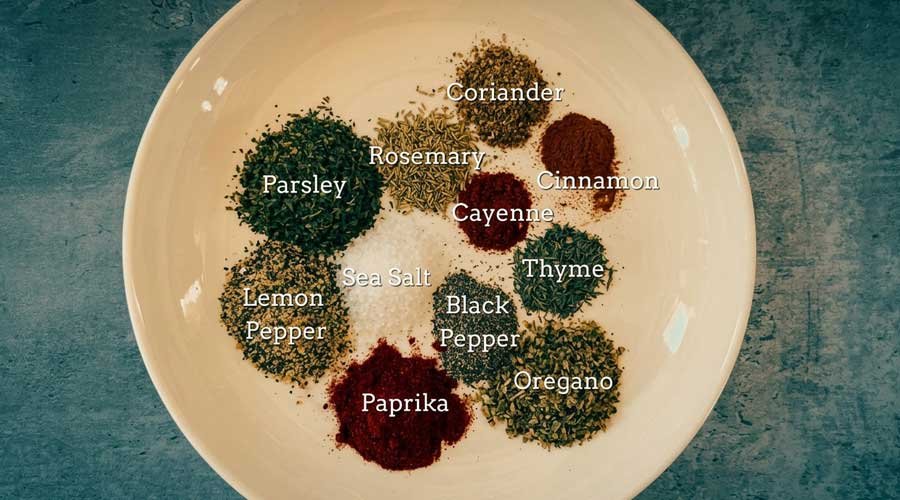
Sometimes you crave a little heat with your meal. This spicy gyros seasoning balances classic herbs with a punch of chili. It’s perfect for people who want their wraps to wake up their taste buds.
🍫 Ingredients:
- 2 teaspoons dried oregano
- 1 teaspoon smoked paprika
- 1 teaspoon garlic powder
- 1 teaspoon onion powder
- 1 teaspoon cayenne pepper
- 1/2 teaspoon crushed red chili flakes
- 1 teaspoon ground cumin
- 1 teaspoon sea salt
- 1/2 teaspoon black pepper
🥣 Steps:
- Combine all spices in a bowl.
- Stir thoroughly until uniform.
- Keep in an airtight container in a cool, dry place.
Why you’ll love it: Adds excitement and a fiery kick to traditional gyros.
Don’t underestimate the power of a well-balanced spicy blend. If you love spicy food, you’ll find this mix addictive. Cayenne pepper and crushed chili flakes bring the heat, while smoked paprika adds depth and complexity. Be careful with the amount of cayenne—start small, taste, and add more if you want it hotter.
This blend is great for making spicy chicken gyros, but it also works for beef, lamb, or even tofu. Try it on grilled vegetables, roasted chickpeas, or sprinkle a little over fries for a Greek “spicy fries” treat.
A common beginner mistake is to add all the chili at once—always taste as you go, especially if serving guests or kids. If you make the blend too hot, mix in more oregano and paprika to mellow it out.
All-in-one Greek Gyros Marinade Seasoning
Want the juiciest gyros possible? This blend is designed to work as both a dry rub and the base for a marinade. Just add olive oil and lemon juice to transform it instantly.
🍫 Ingredients:
- 2 teaspoons dried oregano
- 1 teaspoon dried thyme
- 1 teaspoon dried marjoram
- 1 teaspoon garlic powder
- 1 teaspoon onion powder
- 1/2 teaspoon ground coriander
- 1/2 teaspoon ground cumin
- 1/2 teaspoon sea salt
- 1/2 teaspoon black pepper
- Zest of 1 lemon (optional)
🥣 Steps:
- Mix all spices in a bowl.
- For a dry rub, sprinkle generously on your meat and cook.
- For a marinade, add 3 tablespoons olive oil and juice from 1 lemon to the blend. Mix with your meat and let sit for 30 minutes.
Why you’ll love it: Two uses, one recipe—perfect for meal prep.
This blend is especially handy if you like prepping meals in advance. As a dry rub, it sticks well to meat and forms a tasty crust during cooking. As a marinade, it tenderizes the meat and helps the flavors soak in deeply.
Marjoram is a less common herb, but it adds a sweet, floral note that makes this blend unique.
The oil and acid in the marinade break down meat fibers, making even cheaper cuts taste juicy and tender. Try it on chicken thighs, pork shoulder, or beef steak. If you’re in a hurry, even a 15-minute soak will improve flavor, but overnight is best for the richest taste.
You can also use this blend for vegetarian proteins—just skip the marinade step and toss with olive oil and lemon before roasting or grilling.
Greek Gyros Seasoning For Vegetarians
Vegetarians can enjoy gyros too! This mix is designed for tofu, mushrooms, or roasted vegetables. It’s earthy, aromatic, and brings out the best in plant-based gyros.
🍫 Ingredients:
- 2 teaspoons dried oregano
- 1 teaspoon dried thyme
- 1 teaspoon smoked paprika
- 1 teaspoon garlic powder
- 1/2 teaspoon onion powder
- 1/2 teaspoon ground cumin
- 1/2 teaspoon sea salt
- 1/2 teaspoon black pepper
- Pinch cinnamon
🥣 Steps:
- Mix all ingredients in a small bowl.
- Toss with sliced mushrooms, tofu, or eggplant before roasting or grilling.
- Cook as usual and serve in pita with your favorite toppings.
Why you’ll love it: Makes veggie gyros taste just as good as the classic meat version.
This blend’s secret is the pinch of cinnamon and the smoked paprika. Together, they give vegetables a meaty, robust flavor. Mushrooms work especially well because they soak up the seasoning and caramelize as they cook. Tofu also absorbs flavors beautifully—press out extra water before seasoning for the best results.
For an extra protein boost, try this blend on chickpeas or tempeh. You can roast, grill, or pan-fry your veggies with this seasoning. Serve with tzatziki, lettuce, tomatoes, and onions for a true Greek experience.
A beginner’s tip: don’t be afraid to add a little olive oil or soy sauce to help the seasoning stick and create a nice crust during cooking.
Common Mistakes When Making Gyros Seasoning
Even simple recipes can go wrong if you’re not careful. Avoid these mistakes for the best results:
- Don’t skip salt. It brings all the flavors together.
- Avoid using old dried herbs. They lose their strength and taste flat.
- Don’t overdo the spices. Too much can overpower the meat or vegetables.
- Don’t mix wet and dry ingredients for storage. Only add fresh zest or juice right before cooking.
- Avoid under-mixing. Make sure your blend is even to prevent flavor pockets.
- Don’t store in a humid spot. Moisture ruins dried seasonings quickly.
A common error is using old spices from the back of your cupboard. Dried herbs and ground spices lose their punch after a few months. If your seasoning smells weak or looks faded, it’s time to buy fresh.
Another mistake is adding all spices together without mixing well. If you rush this step, you’ll get uneven flavor, with some bites being too salty or too spicy. Always blend thoroughly before using or storing.
If you’re storing a large batch, write the date on the jar. This helps you keep track of freshness and avoid waste. For the best taste, make smaller batches more often.
Storing And Reusing Your Gyros Seasoning
Homemade seasoning is easy to store and keeps well if you follow some simple steps.
Fridge Time:
Keep your dry gyros seasoning in a sealed jar at room temperature for up to 3 months. If you add fresh lemon zest or juice, store in the fridge and use within 1 week.
Reheating:
If you’ve already mixed your seasoning into cooked meat or veggies, reheat leftovers gently in a skillet or microwave. Add a splash of water or olive oil to keep them moist.
Reuse Ideas:
Don’t let extra seasoning go to waste. Here are some creative ways to use it:
- Sprinkle on roasted potatoes for a Greek twist.
- Mix into Greek yogurt for a quick dip.
- Stir into rice or couscous for a side dish.
- Rub on fish fillets before grilling.
- Add to homemade salad dressings for extra flavor.
- Season homemade pita chips before baking.
- Add to scrambled eggs or omelets for breakfast with a Mediterranean flair.
- Mix into ground turkey or beef for Greek-style burgers.
Here’s a quick look at how long your seasoning will last in different forms:
| Seasoning Type | Storage Method | Best By |
|---|---|---|
| Dry Blend | Room Temp, Airtight Jar | Up to 3 Months |
| With Fresh Zest | Fridge, Sealed | 1 Week |
| As Marinade | Fridge, Covered | 24 Hours |
One non-obvious storage tip: If you live in a humid area, add a few grains of uncooked rice to your seasoning jar. The rice absorbs moisture and helps keep your blend dry and free-flowing.

Quick Tips For Better Greek Gyros Seasoning
Want to get results faster, or use what you have? These shortcuts and substitutions help:
- Use Italian seasoning if you’re out of oregano or thyme.
- Grate a fresh lemon for zest if you have no dried lemon.
- Smoked paprika can replace regular paprika for more depth.
- If you have pre-chopped garlic, use it in place of powder, but dry it with a paper towel first.
- For lower sodium, reduce the salt and add after cooking to taste.
- Double or triple your batch and store for next time.
- Add a pinch of sugar if your seasoning tastes too bitter—sometimes dried herbs can be strong.
- If you’re grilling, mix the seasoning with a little olive oil and brush onto meat or veggies for a richer flavor.
Another pro tip: if you’re making gyros for a crowd, portion the seasoning into small bowls ahead of time. That way, you can quickly season batches of meat or vegetables without stopping to measure each time.
How Greek Gyros Seasoning Compares To Other Blends
Gyros seasoning is unique, but many people confuse it with other Mediterranean spice mixes. Here’s how it stands out:
| Spice Blend | Main Flavors | Best Uses |
|---|---|---|
| Greek Gyros Seasoning | Oregano, Garlic, Paprika, Cumin | Gyros, Meat, Veggies |
| Za’atar | Thyme, Sesame, Sumac | Bread, Salads |
| Herbes de Provence | Rosemary, Thyme, Lavender | Chicken, Fish |
| Italian Seasoning | Basil, Oregano, Marjoram | Pasta, Sauces |
What makes gyros seasoning different is the use of earthy, robust herbs paired with garlic, cumin, and sometimes a touch of cinnamon or lemon zest. Za’atar is more tangy and nutty, thanks to sumac and sesame. Herbes de Provence is floral and light, with lavender.
Italian seasoning is sweeter and more basil-forward.
If you want to experiment, try making a “fusion” gyro by mixing a little za’atar with your gyros blend, or add extra rosemary from Herbes de Provence. But if you want the true taste of a Greek street corner, stick with these classic blends.
The Secret To Authentic Greek Gyros Flavor
Many home cooks miss two important things:
- Freshness matters. Even dried herbs lose power after 6 months. Smell your spices—if they don’t have a strong scent, it’s time to replace them.
- Balance is key. Gyros flavor isn’t just about one spice; it’s the way oregano, garlic, and a hint of cinnamon or lemon all work together. Don’t leave out even the smallest pinch—it makes a difference.
Here’s another little-known tip: If you want extra authentic taste, add a tiny pinch of ground allspice or nutmeg to the classic blend. These spices are sometimes used in Greek meat dishes and add a subtle depth most people can’t quite identify—but they’ll notice the difference.
If you’re cooking for a group, always taste your seasoning blend before using it. Different brands of spices have different strengths, so adjust to your preference. And don’t forget, the seasoning is just one part of great gyros—fresh toppings and good pita make the meal complete.
For more on the history of gyros and Greek cooking, check out Wikipedia’s article on gyros.
Frequently Asked Questions
What’s The Difference Between Gyros Seasoning And Shawarma Seasoning?
Gyros seasoning uses more oregano, thyme, and sometimes a hint of cinnamon for a classic Greek flavor. Shawarma seasoning has more warm spices like cumin, coriander, and allspice, and is often spicier.
Shawarma also often includes cardamom, turmeric, and cloves, making it taste warmer and earthier. Gyros is more herby and bright.
Can I Use Fresh Herbs Instead Of Dried?
Yes, but use three times more fresh herbs than dried. For example, if the recipe asks for 1 teaspoon dried oregano, use 1 tablespoon fresh. Add fresh herbs at the end of cooking for the best taste.
Fresh herbs can burn if cooked too long, so sprinkle them on just before serving or after removing from heat.
Is Gyros Seasoning Gluten-free?
All the ingredients listed are naturally gluten-free. Always check your spice labels to be sure, especially if you have allergies.
Some store-bought blends may include anti-caking agents that contain gluten, so homemade is safest if you’re sensitive.
What’s The Best Meat For Gyros?
Traditionally, gyros are made with pork or chicken in Greece. Beef and lamb are also popular. These seasoning blends work with all types, and even with vegetarian proteins like tofu or mushrooms.
For the most authentic texture, slice the meat thin and layer it in your pita. If you want a healthier version, use chicken breast or lean pork.
Can I Use Gyros Seasoning For Other Dishes?
Absolutely! Sprinkle it on roasted veggies, toss with potatoes, mix into dips, or rub onto fish or shrimp before grilling. The flavors are versatile and can brighten many dishes.
Try it on popcorn, in salad dressings, or even as a topping for avocado toast for a Greek-inspired snack.

Bring Home The Taste Of Greece
You don’t have to travel to Athens to enjoy delicious gyros. These two easy Greek gyros seasoning recipes—plus three bonus blends—make it simple to cook an authentic meal, even if you’re short on time or energy. With a handful of spices and a few minutes, you can enjoy the tastes of Greece any night of the week. Pin this guide for later, and let us know: Which gyros seasoning will you try first?
With these seasoning blends, you’re not just making dinner—you’re bringing a piece of Greek tradition into your kitchen. Whether you’re cooking for yourself, your family, or friends, you’ll be amazed at how quickly and easily you can create the flavors you love.
And best of all, you can adjust each recipe to fit your taste, your health goals, and whatever you have in your pantry.
So, next time you crave that classic gyro, skip the takeout line. Open your spice cabinet, grab your favorite blend, and enjoy the real taste of Greece—fresh, fast, and full of flavor.