
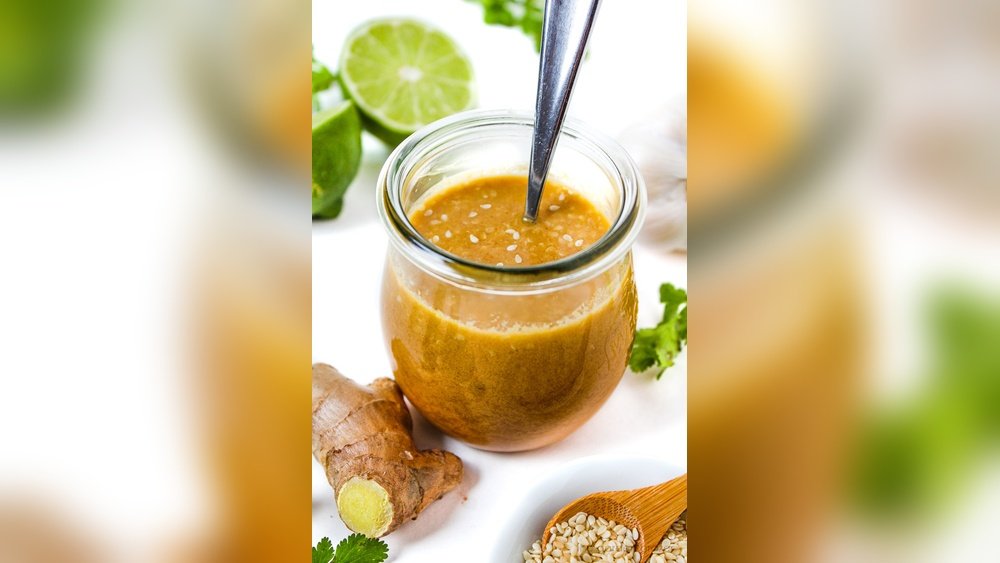
Busy days, tired nights, or just a hungry moment—sometimes making a delicious meal can feel impossible. You want something healthy, but chopping, mixing, and measuring sound exhausting. Salad dressings from the store might save time, but they’re often full of strange ingredients and extra sugar. If you’ve ever wished for a quick, easy way to make your meals taste better, you’re not alone. The good news? These sesame ginger dressing recipes are the simple solution you need. With just a few common kitchen staples, you’ll create flavor-packed dressings that turn plain salads, noodles, or roasted veggies into something special.
Most people don’t realize how much store-bought dressings can affect their daily eating habits. A simple homemade dressing can actually help you eat more vegetables because it makes even basic greens taste exciting. It’s also reassuring to know exactly what’s in your food.
Once you try making your own, you’ll see how a quick whisk or shake can transform a meal—and you might even start looking forward to salad.
Why These Dressings Are A Game Changer
These two sesame ginger dressings are more than just tasty. They save you time and money and make healthy eating easy. Here’s what makes them stand out:
- Super fast: Both recipes take under 10 minutes to make. That means you can finish your dressing before your rice is done cooking or your chicken is out of the oven.
- Simple steps: No special tools or cooking skills required. You just need a bowl and a whisk, or even a jar with a lid.
- Budget-friendly: Uses common, affordable ingredients. Most items like soy sauce, vinegar, and oils are pantry basics, so you don’t need to shop for exotic or expensive products.
- Few ingredients: Most are already in your pantry. And if you’re missing one, there’s usually a simple substitute (like lemon juice for vinegar).
- Versatile: Great for salads, grain bowls, or as a marinade. You can even use them as dips for snacks or drizzle on sandwiches.
- Customizable: Easily adjust for your taste or dietary needs. Want less salt? Use low-sodium soy sauce. Prefer more tang? Add extra vinegar. Need it vegan? Pick maple syrup instead of honey.
A lot of people think making dressing at home is complicated, but these recipes prove it’s actually faster than running to the store. Plus, when you make it yourself, you avoid hidden preservatives, gums, and excess sugar—something even many health-conscious eaters forget to check on labels.
Classic Creamy Sesame Ginger Dressing
A go-to for busy weeknights, this creamy version is rich but not heavy. It blends the warmth of toasted sesame oil, the bite of fresh ginger, and a hint of sweetness. It’s perfect for leafy greens, cold noodles, or as a dip for veggies.
🍫 Ingredients:
- 2 tablespoons tahini or smooth peanut butter
- 2 tablespoons soy sauce (low sodium if preferred)
- 2 tablespoons rice vinegar
- 1 tablespoon pure maple syrup or honey
- 2 teaspoons toasted sesame oil
- 1 tablespoon fresh ginger, grated
- 1 small garlic clove, minced
- 2–3 tablespoons water (for thinning)
- Pinch of salt
🥣 Steps:
- In a medium bowl, whisk together tahini, soy sauce, and rice vinegar until smooth. Make sure the tahini or peanut butter is at room temperature so it mixes easily.
- Add maple syrup, toasted sesame oil, grated ginger, and minced garlic. Mix well. If you want a stronger ginger punch, add a little extra ginger.
- Slowly add water, one tablespoon at a time, until the dressing reaches your desired consistency. Some people like it thick for dipping, others prefer it runnier for salads.
- Taste and add a pinch of salt if needed. Remember, soy sauce is salty, so taste before adding more.
- For a super smooth texture, blend in a small food processor. This also helps combine the ginger and garlic more evenly.
Why you’ll love it: It clings to every leaf and adds deep, savory flavor to even simple salads.
Example uses: Try it on a bowl of mixed greens with shredded carrots and sliced almonds. Or toss it with cooked soba noodles and steamed broccoli for an easy Asian-inspired lunch. Even kids who “don’t like salad” often enjoy raw veggies with this as a dip.
Beginner insight: Many people use regular sesame oil by mistake. Make sure you use toasted sesame oil, which is much darker and more aromatic. The flavor is completely different—using the wrong type is a common beginner slip.
Quick Zesty Sesame Ginger Vinaigrette
This lighter, tangier take is perfect for those who want a punch of flavor without the creaminess. It’s bright, zippy, and lets the ginger shine. Drizzle on crunchy cabbage slaw or use as a dipping sauce for dumplings.
🍫 Ingredients:
- 3 tablespoons neutral oil (like avocado or grapeseed)
- 2 tablespoons rice vinegar or apple cider vinegar
- 1 tablespoon low-sodium soy sauce
- 1 tablespoon toasted sesame oil
- 1 tablespoon fresh ginger, finely grated
- 1 teaspoon honey or agave syrup
- 1 teaspoon Dijon mustard (optional for extra tang)
- ½ teaspoon garlic, grated
- Pinch of black pepper
- 1 teaspoon toasted sesame seeds (optional)
🥣 Steps:
- In a small jar, combine oil, vinegar, soy sauce, and sesame oil. A jar makes it easy to shake the ingredients together.
- Add ginger, honey, Dijon mustard (if using), garlic, and black pepper. If you want a little more sweetness, add a few more drops of honey.
- Close the lid and shake well until emulsified. If you don’t have a jar, whisk in a bowl until everything is fully mixed.
- Stir in toasted sesame seeds if desired. The seeds give a nice crunch and boost the sesame aroma.
Why you’ll love it: No chopping boards needed—just shake and pour for instant flavor.
Serving idea: This vinaigrette works perfectly on shredded cabbage, sliced bell peppers, and cucumbers for a crunchy, fresh slaw. It’s also great as a dipping sauce for steamed dumplings or drizzle over a poke bowl.
Insight for beginners: Many people think vinaigrettes need lots of oil, but this recipe keeps things lighter. Also, if your vinaigrette separates after standing, just give it another shake before using—this is totally normal for oil-based dressings.
Spicy Sesame Ginger Miso Dressing
This recipe combines the umami magic of white miso with the gentle heat of chili oil. It’s a favorite for grain bowls and roasted veggies.
🍫 Ingredients:
- 1 tablespoon white miso paste
- 2 tablespoons rice vinegar
- 2 tablespoons avocado oil or other neutral oil
- 1 tablespoon toasted sesame oil
- 1 tablespoon maple syrup or honey
- 1 tablespoon fresh ginger, grated
- 1 teaspoon chili oil (adjust to taste)
- 2 teaspoons soy sauce
- Water to thin as needed
🥣 Steps:
- In a small bowl, whisk together miso, vinegar, and oils until smooth. Make sure to fully dissolve the miso—lumps can cause uneven flavor.
- Stir in maple syrup, ginger, chili oil, and soy sauce. The chili oil brings heat, so start with less if you’re sensitive to spice.
- Add water, a teaspoon at a time, to adjust thickness. This dressing can be as thick as a sauce or thinned for drizzling.
- Whisk until creamy and well blended. If you want a perfectly smooth texture, blend everything in a mini blender.
Why you’ll love it: Adds an exciting, bold twist to everyday meals.
Serving suggestion: Try it as a sauce for roasted sweet potatoes, or toss with warm rice and sautéed mushrooms. It’s also great with roasted Brussels sprouts or drizzled over grilled eggplant.
Sweet & Tangy Sesame Ginger Citrus Dressing
A lively, refreshing version that brings a burst of citrus to your plate. Great for spring salads, grilled chicken, or even fruit salads.
🍫 Ingredients:
- 3 tablespoons orange juice (fresh is best)
- 1 tablespoon lime juice
- 2 tablespoons olive oil
- 1 tablespoon toasted sesame oil
- 1 tablespoon soy sauce
- 1 teaspoon honey or maple syrup
- 1 tablespoon fresh ginger, grated
- 1 teaspoon sesame seeds
🥣 Steps:
- In a bowl, whisk together orange juice, lime juice, and olive oil. Fresh juice makes the flavor pop.
- Add sesame oil, soy sauce, honey, and ginger. If you want a stronger citrus flavor, increase the lime juice.
- Stir in sesame seeds. These add both texture and more sesame flavor.
- Mix until fully combined and smooth.
Why you’ll love it: It’s sweet, tart, and turns any salad into a special treat.
Serving idea: Pour over a mix of baby spinach, sliced strawberries, and avocado for a light spring salad. Or brush on grilled chicken or shrimp for a fast, flavorful glaze.
Beginner insight: Many people skip the zest, but it’s the best way to boost citrus flavor without adding more acidity or liquid.
Nutty Sesame Ginger Yogurt Dressing
For a creamy, protein-rich option, this yogurt-based version is tangy and satisfying. It works well with hearty greens like kale or as a sauce for grilled tofu.
🍫 Ingredients:
- ⅓ cup plain Greek yogurt (dairy or non-dairy)
- 1 tablespoon smooth peanut butter
- 2 tablespoons soy sauce
- 1 tablespoon toasted sesame oil
- 1 tablespoon rice vinegar
- 1 tablespoon honey or maple syrup
- 1 tablespoon fresh ginger, grated
- 1 small garlic clove, minced
- 1 tablespoon water (optional, to thin)
🥣 Steps:
- In a bowl, mix Greek yogurt and peanut butter until smooth. If the peanut butter is stiff, microwave for 10 seconds to soften.
- Add soy sauce, sesame oil, and rice vinegar. Stir until evenly combined.
- Stir in honey, ginger, and garlic. Taste and adjust sweetness if needed.
- Add water if you prefer a thinner consistency. This makes it easy to pour or drizzle.
- Whisk until creamy and well blended.
Why you’ll love it: Packs extra protein into your salad, making it more filling.
Serving suggestion: Try it as a sauce for grilled tofu or spooned over a bowl of massaged kale, shredded carrots, and cooked quinoa.
Beginner insight: Using yogurt makes the dressing creamy without needing mayonnaise or extra oil—great for anyone watching calories or wanting more protein.

Credit: cooking.nytimes.com
Common Mistakes To Avoid
Making a great sesame ginger dressing is easy, but these simple errors can ruin the flavor or texture:
- Don’t use old or rancid sesame oil—fresh oil gives the best nutty flavor. Always smell your oil before using; if it smells bitter or “off,” replace it.
- Avoid using pre-ground ginger powder instead of fresh ginger; it changes the taste. Fresh ginger adds brightness and a little spice, while powder can be dull or dusty.
- Don’t skip the sweetener—just a little balances out acidity and salt. Even a small amount of honey or maple syrup can bring out other flavors.
- Avoid over-thinning; watery dressings won’t cling to salad leaves. Add water slowly and stop as soon as you reach the texture you want.
- Don’t add all the water at once—add slowly until you get the right texture. It’s easier to thin a thick dressing than to fix a watery one.
- Don’t use too much soy sauce, or the dressing may taste too salty and overpower other flavors.
One more thing: always taste as you go. The biggest mistake is not adjusting for your own preferences or the ingredients you have (for example, some soy sauces are much saltier than others).
How To Store And Reuse Sesame Ginger Dressing
Sesame ginger dressings keep well in the fridge, but proper storage is key:
- Store in an airtight container or jar with a tight lid. Glass jars are best because they don’t absorb flavors.
- Most homemade dressings last up to 5–7 days in the refrigerator. If you see any separation, just shake or whisk before serving.
- Shake or stir before each use, as ingredients may separate. This is normal for homemade dressings, especially those with oil.
- For creamy versions, a quick whisk helps restore smoothness. If it thickens in the fridge, add a splash of water and whisk.
- Do not freeze; oils and vinegars separate and change texture. Freezing also damages fresh ginger and garlic.
Reheating: Dressings are usually served cold, but if you want to use as a warm sauce, gently heat in a pan over low heat, stirring constantly. Avoid microwaving, which can cause separation.
Reuse ideas:
- Drizzle over roasted veggies or grain bowls.
- Use as a marinade for chicken, tofu, or shrimp.
- Toss with cold noodles for an easy lunch.
- Dip dumplings, spring rolls, or sushi.
- Add to sandwiches or wraps for extra flavor.

Credit: waldenfarms.com
Quick Tips And Shortcuts
- Use pre-minced garlic and ginger from the store for faster prep. This can save a lot of time, especially if you cook in a hurry.
- Substitute lemon juice for lime or vinegar if needed. The acidity is similar, but lemon adds a slightly different flavor.
- If you’re out of honey or maple syrup, try a pinch of brown sugar. Dissolve it in the vinegar first so it blends smoothly.
- For a soy-free option, use coconut aminos. It’s sweeter and less salty, so reduce or skip the sweetener.
- To make it gluten-free, choose tamari instead of soy sauce. Always check labels to confirm.
- Add a splash of hot sauce for extra kick. Sriracha, chili garlic sauce, or your favorite brand all work well.
Extra shortcut: Make a double batch and use it throughout the week. Homemade dressings are perfect for meal prep—store in small jars and grab as needed.
Beginner insight: Measuring isn’t always exact—taste and adjust. If you like a certain flavor (more ginger, less sweet, etc.), feel free to customize.
Comparing The Five Sesame Ginger Dressing Styles
Here’s a quick look at how these five versions compare on creaminess, spiciness, and prep time.
| Dressing | Creamy | Spicy | Prep Time |
|---|---|---|---|
| Classic Creamy | Yes | No | 7 min |
| Zesty Vinaigrette | No | No | 5 min |
| Spicy Miso | Yes | Yes | 8 min |
| Citrus | No | No | 6 min |
| Yogurt | Yes | No | 7 min |

Credit: www.ambitiouskitchen.com
Ingredient Cost Comparison
Wondering how much you’ll spend making these at home versus buying bottled dressing? Here’s a rough breakdown using average US prices (as of 2024).
| Ingredient | Average Cost (per recipe) |
|---|---|
| Sesame oil | $0.40 |
| Fresh ginger | $0.15 |
| Soy sauce | $0.10 |
| Rice vinegar | $0.10 |
| Sweetener (honey/maple) | $0.25 |
| Other (yogurt, miso, etc.) | $0.30 |
| Total (per batch) | $1.30 |
Making your own dressing is not only tastier, it’s also much cheaper than buying most store brands (which often cost $3–$5 per bottle).
Nutrition Snapshot: Sesame Ginger Dressing
Here’s a general nutrition example for one serving (about 2 tablespoons) of a homemade sesame ginger dressing.
| Nutrient | Amount |
|---|---|
| Calories | 70–90 |
| Fat | 6–8g |
| Carbohydrates | 3–6g |
| Protein | 1–2g |
| Sodium | 250–320mg |
Homemade dressings let you control sodium, sugar, and fat—unlike many store-bought options.
Insight: If you use Greek yogurt or peanut butter, you’ll add a little more protein. If you want to lower calories, reduce the oil and add more vinegar or citrus juice.
Frequently Asked Questions
How Long Does Homemade Sesame Ginger Dressing Last In The Fridge?
Most versions stay fresh for 5 to 7 days if stored in a sealed container in the refrigerator. Always check for changes in smell or appearance before using. If it smells sour or looks cloudy, it’s time to toss it.
Can I Freeze Sesame Ginger Dressing?
No, it’s not recommended. Freezing can cause oils and vinegars to separate, which ruins the texture. It’s best to make small batches and enjoy them fresh.
Is Sesame Ginger Dressing Healthy?
Yes, especially when homemade. You control the ingredients, so there are fewer preservatives, less added sugar, and lower sodium compared to most bottled dressings. The healthy fats from sesame and olive oil, plus the antioxidants in ginger, make this a smart choice.
Can I Make Sesame Ginger Dressing Without Sesame Oil?
You can, but the flavor will be different. Substitute with a neutral oil and add a bit more tahini or peanut butter for nuttiness, but nothing fully replaces the toasty aroma of real sesame oil. If you’re allergic, sunflower seed butter with a touch of roasted nuts can mimic some of the richness.
What Can I Use Sesame Ginger Dressing For Besides Salad?
It’s a flexible sauce! Use as a marinade for chicken or tofu, drizzle over grain bowls, toss with cold noodles, or serve as a dipping sauce for dumplings, spring rolls, and more. Try it as a finishing sauce for grilled vegetables or even as a topping for baked sweet potatoes.
What If My Dressing Gets Too Thick In The Fridge?
Just add a splash of water, vinegar, or citrus juice and whisk or shake until smooth again.
Making your own sesame ginger dressing is a fast, easy way to upgrade any meal. Want to save these recipes for later? Pin them on Pinterest or share with a friend who loves quick, tasty food. Which version will you try first? Let us know your favorite way to use sesame ginger dressing! For more details on the history and variations of sesame-based sauces, check out this Wikipedia page.