
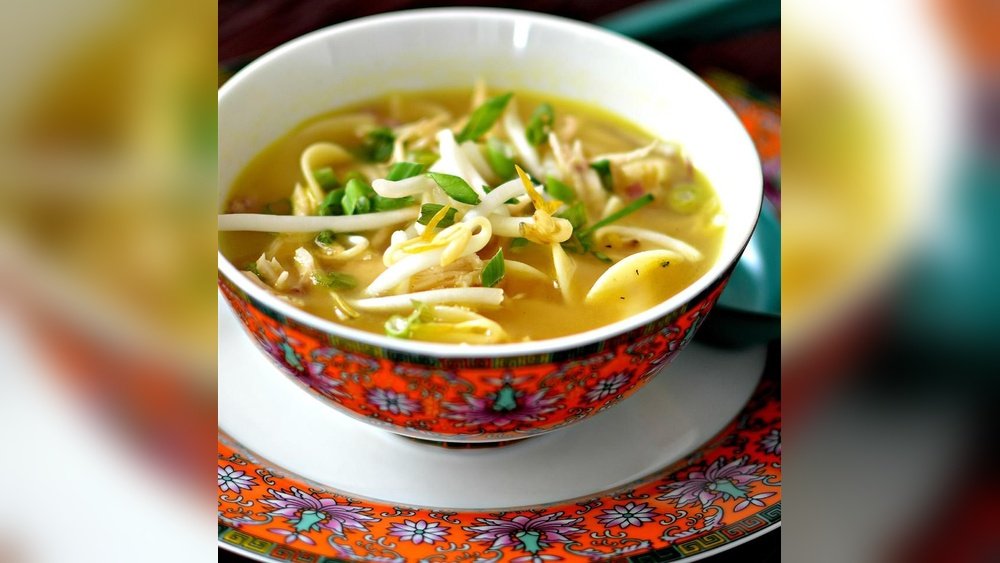
Busy days and tired nights happen to all of us. Sometimes, even just thinking about what to cook feels exhausting—especially when you’re hungry, rushed, or just want something warm and comforting. That’s why knowing how to make chicken broth is a game-changer. With just a few simple ingredients and easy steps, you can create delicious, healthy meals that soothe and satisfy. This article gives you three of the best chicken broth recipes, each offering a unique twist and flavor. Whether you’re new to cooking or just want something fast, these recipes fit any schedule—and taste amazing.
Chicken broth is more than a basic kitchen skill. It’s a way to turn simple foods into something special, filling your home with comforting smells and giving you a base for soups, sauces, and countless meals. Once you learn these recipes, you’ll always have a tasty solution for when you’re too tired to think or want to cook ahead for the week.
Plus, you’ll save money and eat healthier, without the mystery ingredients often found in store-bought broths.
Why These Chicken Broth Recipes Are Perfect For You
Chicken broth doesn’t have to be complicated or expensive. These recipes are:
- Fast and easy—great for weeknights or lazy weekends
- Simple—no hard-to-find ingredients or tricky steps
- Budget-friendly—use leftovers or basic pantry items
- Versatile—good as a soup base, for noodles, or sipping
- Healthy and light—filled with nutrients and flavor
Let’s look at why these points matter:
- Fast and easy: Many people think homemade broth takes all day, but these recipes fit busy lives. There’s no need for special skills. You just add the ingredients, simmer, and strain.
- Simple: You don’t need to search for rare herbs or spices. Most ingredients are probably in your fridge or pantry. If not, there are easy swaps for almost everything.
- Budget-friendly: Whole chickens and chicken parts are usually cheaper than buying pre-made broth. You can also make use of veggie scraps or leftover bones, cutting waste and cost.
- Versatile: Chicken broth is a “blank canvas.” Use it for instant soups, cook grains in it, or drink it from a mug if you’re not feeling well. It works with almost any cuisine.
- Healthy and light: Homemade broth is low in calories, contains no artificial flavors, and is easy to digest. It provides natural minerals, a little protein, and can even help you stay hydrated.
You’ll find that each recipe takes the stress out of cooking and brings comfort to your table. Once you’ve made broth a few times, you’ll wonder how you ever lived without it.
Classic Homestyle Chicken Broth Recipe
Nothing beats the taste of a classic chicken broth. It’s simple, clean, and works as a foundation for dozens of dishes. This version balances flavor and nutrition, making it perfect for sipping, soups, or adding to rice and casseroles.
Total Time: 1 hour 20 minutes
Active Prep: 15 minutes
🍫 Ingredients:
- 1 whole chicken (about 3–4 lbs) or 2 lbs chicken parts (with bones and skin)
- 10 cups cold water
- 2 medium carrots, peeled and chopped
- 2 celery stalks, chopped
- 1 large onion, peeled and quartered
- 3 garlic cloves, smashed
- 1 bay leaf
- 1 tsp whole black peppercorns
- 1 ½ tsp salt (adjust to taste)
- Optional: A few sprigs of fresh parsley or thyme
Ingredient Notes
- Chicken: Using a whole chicken gives a richer, deeper flavor, but chicken thighs, drumsticks, or backs also work well. Don’t remove the skin—it adds flavor and body.
- Vegetables: Onion, carrot, and celery are the classic trio (“mirepoix”) for broth. If you don’t have one, use what you have—leek or parsnip can also add sweetness.
- Herbs: Bay leaf is classic, but parsley stems or a sprig of thyme add a fresh note. Don’t overdo herbs or spices—keep them subtle so the chicken shines.
🥣 Steps:
- Place the chicken in a large pot. Cover with cold water.
- Add carrots, celery, onion, garlic, bay leaf, peppercorns, and salt.
- Bring to a gentle boil over medium-high heat. Skim off foam as it rises.
- Lower the heat, partially cover, and simmer for 1 hour.
- Remove chicken (set aside for other meals). Strain broth through a fine sieve.
- Taste and adjust salt if needed.
- Let broth cool, then skim off extra fat if desired.
Step-by-step Tips
- Skimming foam: When the pot first boils, you’ll see grayish foam rise to the top. Use a spoon to remove it. This keeps your broth clear and clean-tasting.
- Simmer, don’t boil hard: A rolling boil makes the broth cloudy and can break down the chicken too much. A gentle simmer (tiny bubbles) is best.
- Straining: Pour the finished broth through a sieve or colander lined with cheesecloth for extra clarity.
Pro Tip
For a richer flavor, roast the chicken and vegetables in the oven at 400°F for 25 minutes before adding to the pot.
Roasting gives the broth a golden color and a slightly sweet, smoky taste. This is how many restaurants get their broths to taste extra special.
Why you’ll love it: Pure, nourishing, and perfect for any recipe.
Non-obvious Insight
After removing the chicken, let it cool, then shred the meat for salads, sandwiches, or soup. You get two meals from one batch—broth and cooked chicken. Also, the fat you skim off can be saved (called “schmaltz”) and used for frying eggs or vegetables for extra flavor.
Credit: thehonoursystem.com
Quick Asian-inspired Chicken Broth
This recipe brings a fresh twist with ginger and soy sauce, making it ideal for noodle bowls or as a sipping broth. It’s faster than traditional broth and uses chicken thighs for extra flavor.
Total Time: 40 minutes
Active Prep: 10 minutes
🍫 Ingredients:
- 1 lb bone-in chicken thighs (skin-on for more taste)
- 7 cups water
- 1-inch piece fresh ginger, sliced
- 3 garlic cloves, smashed
- 2 green onions, chopped (plus extra for serving)
- 2 tbsp soy sauce
- 1 tbsp rice vinegar
- ½ tsp white pepper (or black pepper)
- 1 tsp salt
Ingredient Notes
- Ginger: Adds warmth and a hint of spice. No need to peel—just wash well.
- Soy sauce: Gives saltiness and umami. For gluten-free, use tamari.
- Rice vinegar: Brightens the broth. If you don’t have it, use a splash of apple cider vinegar or lemon juice.
- Chicken thighs: Bone-in pieces add more flavor in less time than boneless meat.
🥣 Steps:
- Place chicken thighs in a pot with water. Add ginger, garlic, and green onions.
- Bring to a boil, then reduce to a simmer. Skim any foam.
- Simmer uncovered for 25 minutes.
- Remove chicken (save for salads or stir-fries).
- Stir in soy sauce, rice vinegar, pepper, and salt.
- Strain the broth. Serve hot, topped with more green onions.
Step-by-step Tips
- Simmer uncovered: This lets the flavors concentrate and keeps the broth from tasting watery.
- Adding seasonings at the end: Soy sauce and vinegar are best added after simmering, so they don’t lose their flavor.
Pro Tip
Add a few dried shiitake mushrooms with the chicken for a deeper umami taste.
You can also add a piece of kombu (dried seaweed) for extra richness, but remove it after 10 minutes to avoid bitterness.
Why you’ll love it: Bright, clean, and ready in less than an hour.
Non-obvious Insight
If you’re making noodle soup, cook the noodles separately and add them to the bowl before pouring in the hot broth. This keeps the broth clear and stops noodles from soaking up too much liquid.
Healing Lemon Chicken Broth
When you’re feeling under the weather, this broth is soothing and packed with vitamin C. The lemon and herbs give it a fresh lift, while the turmeric adds color and a gentle warmth.
Total Time: 50 minutes
Active Prep: 10 minutes
🍫 Ingredients:
- 1 ½ lbs chicken wings or drumsticks
- 8 cups water
- 1 small onion, quartered
- 2 carrots, chopped
- 2 celery stalks, chopped
- 2 lemons (1 juiced, 1 sliced)
- 1 tsp turmeric powder
- 1 tsp salt
- ½ tsp black pepper
- A handful of fresh dill or parsley (optional)
Ingredient Notes
- Lemons: Adds brightness and vitamin C. Slice one for looks and juice one for flavor.
- Turmeric: Known for anti-inflammatory benefits. It gives a golden color and earthy taste.
- Chicken wings: Wings add extra richness because of their skin and cartilage, which break down and add body to the broth.
🥣 Steps:
- Add chicken, water, onion, carrots, celery, and turmeric to a large pot.
- Bring to a boil, then reduce to simmer for 35 minutes.
- Add salt, pepper, lemon juice, and lemon slices. Simmer 10 more minutes.
- Remove chicken and strain the broth.
- Add fresh dill or parsley before serving, if desired.
Step-by-step Tips
- Don’t add lemon at the start: The juice can make the broth taste bitter if cooked too long. Add toward the end for a fresh, tangy flavor.
- Optional herbs: Dill is classic in Eastern European soups and pairs well with lemon.
Pro Tip
For extra body, add a parmesan rind to the pot for the last 10 minutes, then remove before serving.
This secret, often used in Italian kitchens, gives the broth a creamy richness without adding dairy.
Why you’ll love it: Comforting, zesty, and healing—great for sick days or cold weather.
Non-obvious Insight
If you like a broth with a little “kick,” add a slice of fresh chili or a pinch of cayenne at the end. This opens up the sinuses and adds extra warmth, especially helpful when you have a cold.
Common Mistakes To Avoid When Making Chicken Broth
Even simple recipes can go wrong if you miss the basics. Avoid these common mistakes for the best results:
- Don’t boil too hard—gentle simmering keeps broth clear, not cloudy.
- Avoid using only boneless meat—bones add flavor and richness.
- Don’t skip skimming foam—this removes impurities for a cleaner taste.
- Avoid over-salting early—add more salt at the end, after tasting.
- Don’t forget to strain—leftover bits can make broth gritty.
- Avoid storing hot broth in the fridge—let it cool first for food safety.
More Tips For Success
- Don’t rush the simmer: Even a short simmer should last at least 30 minutes. Rushing leads to weak, watery broth.
- Use fresh ingredients: Wilted or spoiled veggies can give a bad taste. Clean scraps are fine, but avoid anything moldy or rotten.
- Right pot size: If your pot is too small, the broth will overflow and make a mess. Use a pot with space for the liquid to bubble gently.
Extra Insight
If your broth tastes bland, try adding a splash of soy sauce, a squeeze of lemon, or a pinch of sugar at the end. Small adjustments make a big difference.
Storing, Reheating, And Reusing Chicken Broth
Proper storage keeps broth fresh and safe. Here’s how to get the most from every batch:
| Method | How Long | Tips |
|---|---|---|
| Fridge | Up to 4 days | Store in airtight container; cool before refrigerating |
| Freezer | Up to 3 months | Divide into small portions for easy use |
| Reheating | Bring to boil, then simmer | Stir before serving; use within 24 hours after thawing |
More Storage Details
- Cooling quickly: Pour hot broth into shallow containers to cool faster. This keeps bacteria from growing.
- Label containers: Mark the date so you don’t forget how long it’s been stored.
- Ice cube trays: Freeze small amounts in ice cube trays for quick flavor boosts. Pop out a cube or two for stir-fries or sauces.
Reuse Ideas
- Add cooked rice or noodles for a quick soup
- Use as a base for sauces or gravies
- Cook grains (like quinoa or couscous) in broth for extra flavor
- Sauté vegetables in a splash of broth instead of oil
- Replace water with broth in mashed potatoes or risotto
- Use as the liquid for slow-cooked beans or stews
Extra Insight
If you freeze broth in jars, leave at least an inch of space at the top. Liquids expand as they freeze and can crack the jar. Silicone freezer bags or containers work well for broth.
:max_bytes(150000):strip_icc()/Peruvian-style-chicken-soup-52-4b843e75b88d4daf87e0c04103ef6972.jpg)
Credit: www.eatingwell.com
Quick Tips For Making Chicken Broth Faster And Easier
- Use rotisserie chicken bones for a speedy broth with deep flavor.
- Replace fresh herbs with dried herbs if needed (use less).
- Skip peeling vegetables—just wash well, since skins add flavor and nutrients.
- For clear broth, strain twice: First through a sieve, then through cheesecloth.
- If you’re out of chicken, use a mix of turkey or even beef bones.
- Add a splash of apple cider vinegar to help draw minerals from bones.
- Use a pressure cooker or Instant Pot to cut simmering time in half. Most broths are done in 30 minutes under pressure.
- Keep a “broth bag” in the freezer for veggie scraps—onion ends, carrot peels, parsley stems. When full, add to your next broth batch.
- If you want a richer broth, let it simmer uncovered at the end for 10 minutes to reduce and concentrate the flavor.
| Ingredient | Easy Substitute |
|---|---|
| Carrots | Parsnips or sweet potato |
| Celery | Leek, fennel, or celeriac |
| Onion | Shallot or scallions |
| Chicken | Turkey parts, beef bones |
More Substitution Ideas
- No bay leaf? Add a pinch of dried thyme or marjoram.
- No fresh garlic? Use ¼ teaspoon garlic powder per clove.
- No fresh ginger (for Asian broth)? Use ½ teaspoon ground ginger.
- No rice vinegar? Try white wine vinegar or lemon juice.
Extra Insight
Don’t throw away the cooked chicken after making broth. The meat may be a bit drier but works well in salads, tacos, fried rice, or as a filling for sandwiches and wraps.
Frequently Asked Questions
How Do I Make Chicken Broth More Flavorful?
For deeper flavor, use a mix of bones and meat, roast them before boiling, and add aromatic vegetables and herbs. Simmer gently for at least 1 hour. Taste and adjust seasoning at the end.
Adding a small piece of dried mushroom, a splash of fish sauce, or a Parmesan rind can also bring out new layers of taste. Always season lightly at first—you can add more, but you can’t remove it.
Can I Use Cooked Chicken Bones?
Yes, leftover roast chicken bones work well. Just add them to water with fresh vegetables and herbs. Simmer for 40–60 minutes for a rich broth.
It’s a great way to reduce waste. If there’s a lot of seasoning on the bones (like BBQ), rinse them first to avoid an overpowering flavor.
What’s The Difference Between Broth And Stock?
Broth is usually made with meat and bones, seasoned, and can be sipped as is. Stock uses mostly bones and simmers longer, making it richer in gelatin but less salty and less ready to eat on its own. Learn more at the Wikipedia Stock page.
A quick way to tell: Broth is for drinking or soup; stock is for sauces.
Is Homemade Chicken Broth Healthy?
Yes. It’s low in calories, high in nutrients, and free from additives. Homemade broth contains minerals, amino acids, and sometimes collagen, which can support joint and gut health.
If you’re watching sodium, control the salt yourself. Broth is also gentle on the stomach, making it good for recovery from illness or after a long day.
Can I Freeze Chicken Broth?
Absolutely. Cool the broth first, pour into freezer-safe containers or ice cube trays, and freeze up to 3 months. Thaw in the fridge or microwave as needed.
If you freeze in bags, lay them flat for easy stacking. Thaw quickly by placing the bag in a bowl of warm water.
Can I Make Broth In A Slow Cooker?
Yes! Put all the ingredients in your slow cooker, cover with water, and cook on low for 8–10 hours. This is the easiest “set it and forget it” method, perfect for busy days.
What If My Broth Gels When Cold?
That’s a good thing! Gelled broth means you’ve extracted collagen from the bones. It will become liquid when reheated and means your broth is full of nutrients.
Making chicken broth at home is simple, rewarding, and endlessly useful. Pin these recipes on Pinterest to save them for your next cozy meal. Which version will you try first? Share your thoughts and kitchen tips below!

Credit: www.everydayhomeschooler.com